Iran02 March, 20262 min read
Iran Attacks Gulf Energy Hubs, Forces QatarEnergy to Halt LNG Production
Iran struck Gulf energy installations in Qatar and Saudi Arabia QatarEnergy halted liquefied natural gas production after Iranian attacks

18 outlets told this the same way.
Drone strikes on Qatar energy
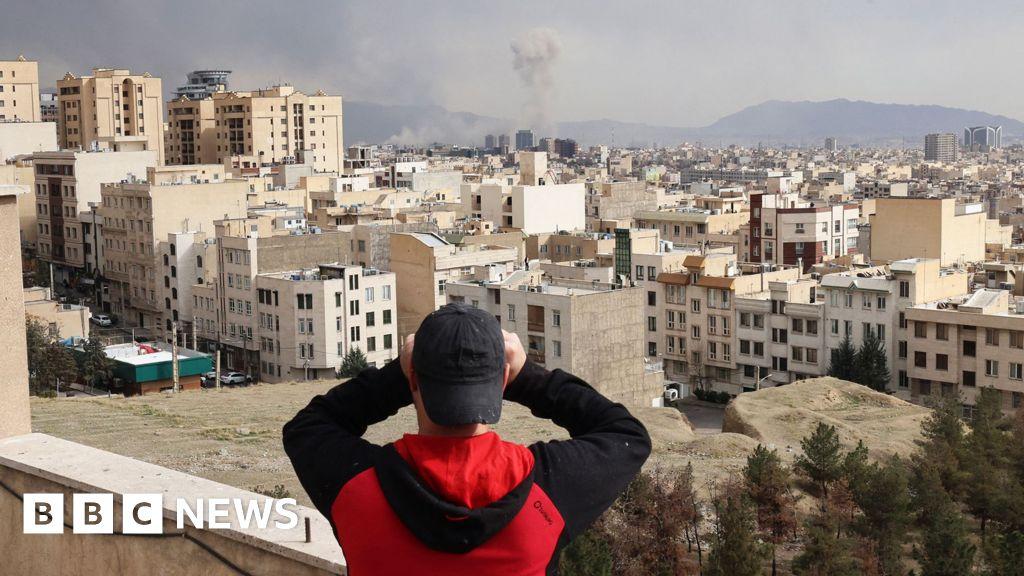
Iranian-launched drones struck energy and power facilities in Qatar on Monday, prompting QatarEnergy to stop liquefied natural gas (LNG) production and related products. Qatar's defence ministry said two drones launched from Iran hit a power-plant water tank in Mesaieed and an energy facility in Ras Laffan Industrial City. Multiple Qatari statements reported no casualties from the strikes on those sites.
“Qatar’s state energy company, QatarEnergy, said it has stopped liquefied natural gas (LNG) production after drone attacks it blamed on Iran struck facilities in Ras Laffan Industrial City and Mesaieed. Qatar’s defence ministry said two drones launched from Iran hit a power-plant water tank in Mesaieed and an energy facility in Ras Laffan; no casualties were reported.”
Global energy market spikes
The strikes triggered sharp moves in global energy markets, with European and Asian gas benchmarks spiking and oil jumping to its highest levels since January 2025. Al Jazeera reported benchmark Dutch and British wholesale gas prices rose as much as about 50% and Asian LNG benchmarks rose roughly 39%, while oil briefly traded above $82 a barrel.
Morocco World News gave a similar market snapshot, saying European and UK natural gas futures surged roughly 45–49% and oil jumped about 13%. The sources differ slightly on the scale of the moves (for example, Al Jazeera notes oil trading above $82 while Morocco World News describes a roughly 13% oil jump), and Morocco World News, citing Goldman Sachs, warned that prolonged closures of the Strait of Hormuz could lift European gas dramatically.

Gulf energy disruptions
The disruption spread across multiple Gulf energy hubs and infrastructure nodes. Saudi Arabia’s Ras Tanura refinery temporarily shut some units after intercepted drone strikes. Production was paused in parts of Iraqi Kurdistan.
“Separately, Saudi Arabia said it temporarily shut some units at the Ras Tanura refinery after two drones ‘attempted to attack’ the Gulf coast facility; a small fire was intercepted, damage was limited and there were no casualties. Ras Tanura has capacity of about 550,000 barrels per day and is a key element of Saudi output.”
Israel ordered a temporary shutdown of the offshore Leviathan field. Reports indicate tankers are piling up in the Strait of Hormuz and some vessels were damaged. Explosions were reported on Iran’s Kharg Island, though impacts there remain unclear.
Conflicting casualty reports
Sources conflict on casualties from the broader wave of Iranian strikes. Qatari authorities reported no injuries at the struck Qatari facilities, while other reports say the attacks across the Gulf killed and wounded civilians and workers.
Al Jazeera, Anadolu Ajansı and Arab News each noted no casualties at the Qatari sites. The New York Times and The Guardian reported that attacks across the UAE, Kuwait and other Gulf states killed at least six people and wounded more than 100.
Gulf responses to Iranian strikes
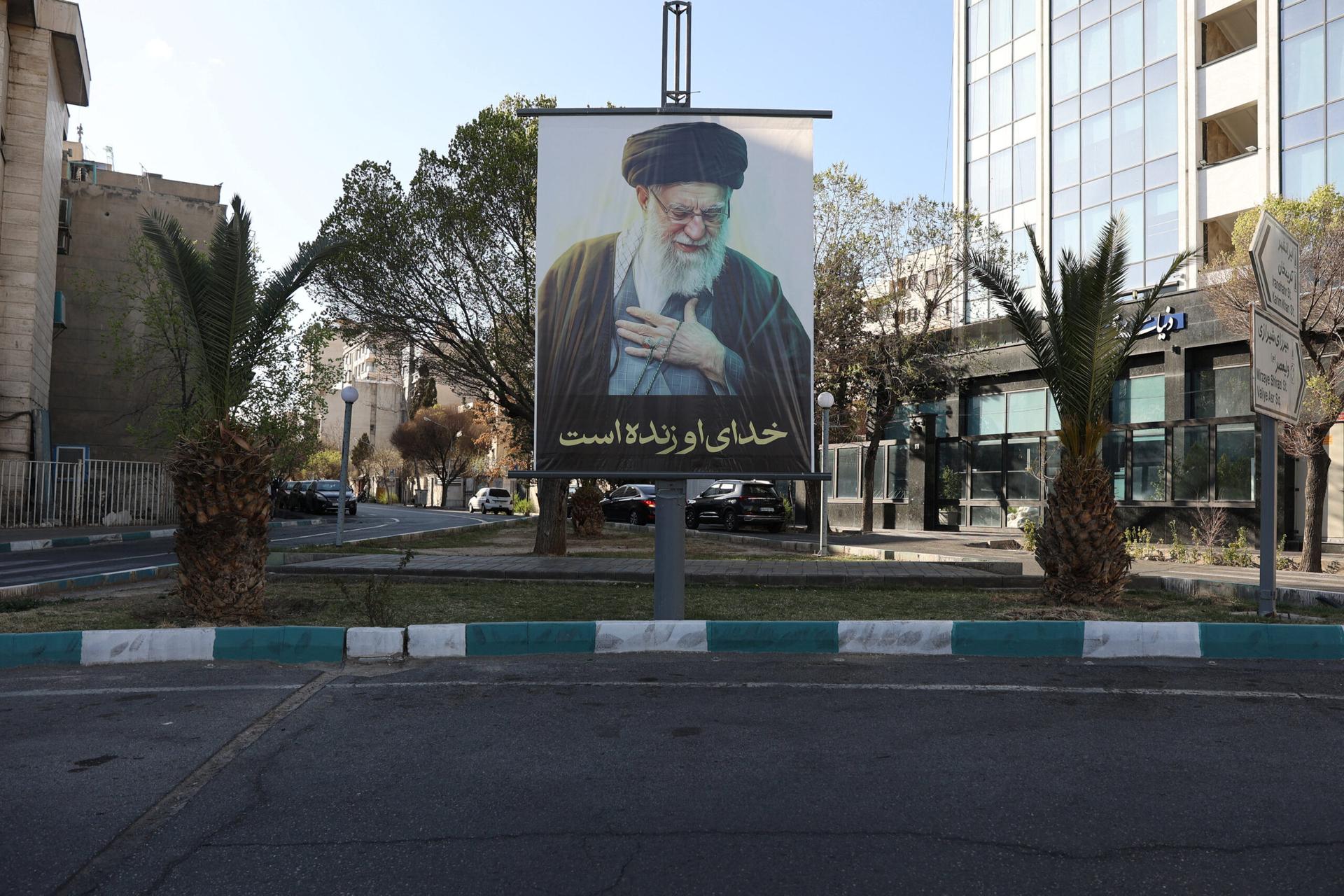
Regional governments have condemned the Iranian strikes, moved to harden defenses, and discussed collective and bilateral responses while stopping short of a unified offensive. Morocco World News and The Guardian reported that several Gulf states condemned the attacks and affirmed their right to self-defence.
“The US, Bahrain, Jordan, Kuwait, Qatar, Saudi Arabia and the UAE condemned Iran’s attacks and affirmed their right to self-defence.”
DW and the Atlantic Council said Gulf states are likely to focus on bolstering air and missile defenses, protecting infrastructure, and reducing reliance on mediation with Iran. IsraelHayom and other reports noted allied air defenses and information-sharing involving NATO and European partners.