
Iran Attacks Gulf Energy Sites in Retaliation for Israeli Strike, Global Fuel Prices Surge
Key Takeaways
- Iran attacked Gulf energy sites: Qatar LNG hub, Saudi refinery, Kuwaiti oil facilities.
- Global energy prices surged, with Brent crude around $118 a barrel.
- Retaliation follows Israeli strike on South Pars gas field, escalating regional conflict.
Regional Escalation
Iran dramatically escalated its attacks on Gulf Arab energy infrastructure on Thursday.
“President Donald Trump announced "major combat operations"against Iran on Feb”
Iran launched widespread strikes against oil refineries, gas facilities, and LNG hubs in Qatar, Saudi Arabia, Kuwait, and the UAE.
The attacks were direct retaliation for Israel's targeting of Iran's South Pars natural gas field.
The coordinated attacks represented a significant intensification of the conflict that began February 28.
Tehran now directly targeted the energy infrastructure of its Gulf neighbors.
Iranian forces used drones and ballistic missiles to strike multiple sites simultaneously.
Infrastructure Damage
The Iranian strikes caused extensive damage to key energy infrastructure across the region.
Specific targets included Qatar's Ras Laffan LNG facility, Saudi Arabia's SAMREF refinery, and two major Kuwaiti oil refineries.

Qatar confirmed missile strikes caused 'extensive further damage' to several LNG facilities.
Saudi Arabia's defense ministry reported damage assessment was underway at the SAMREF refinery.
The UAE shut down operations at Habshan gas facility and Bab field after intercepting missiles.
Kuwaiti officials confirmed fires were sparked at both major refineries but no injuries occurred.
Saudi Arabia's Red Sea port of Yanbu was also targeted in an aerial attack.
Global Price Surge
The attacks triggered an immediate and severe global economic shock.
“Live updates: Iran targets Gulf refineries following Israeli attack on world’s largest natural gas field Major developments we’re following: - Iran hit a Saudi refinery on the Red Sea and set Qatari liquefied natural gas facilities and two Kuwaiti oil refineries ablaze, sending international oil and gas prices soaring”
International fuel prices soared to unprecedented levels.
Brent crude oil spiked to as high as $119 a barrel - an increase of over 60% since February 28.
Natural gas prices across Europe rose sharply by as much as 25%.
Economists warned of potential price rises and shortages for billions of people.
One analyst described the war as 'now hitting the plumbing of the global energy system.'
Iran maintained its stranglehold on the Strait of Hormuz, affecting global oil transport.
Diplomatic Reactions
The escalation prompted strong condemnations from regional and international leaders.
Gulf Arab states, the Arab League, and European leaders denounced Iranian attacks.

Saudi Arabia's top diplomat stated that assaults meant 'what little trust there was before has completely been shattered.'
Arab League Secretary-General Ahmed Aboul Gheit called the attacks a 'dangerous escalation.'
French President Macron condemned the 'reckless' escalation and urged a truce.
Qatar ordered Iran's military and security attaches to depart within 24 hours.
Qatar declared them 'persona non grata' following the attack on its LNG facilities.
President Trump warned Israel would not attack South Pars again unless Iran struck Qatar.
Strategic Significance
The Iranian attacks represented a strategic escalation in the wider Middle East conflict.
“DUBAI, United Arab Emirates (AP) — Iran intensified its attacks on oil and gas facilities around the Gulf on Thursday, dramatically raising the stakesin a warthat is sending shock waves through the global economy”
Iran targeted facilities that collectively handle a significant portion of global energy supplies.

By striking Qatar's Ras Laffan LNG facility, Iran demonstrated ability to disrupt critical energy infrastructure.
Qatar's facility generates 77 million metric tons annually for global markets.
Attacks on Saudi's SAMREF refinery and Kuwait's refineries threatened global crude supplies.
Attacks on UAE's gas facilities compromised regional energy security.
Iranian President warned of 'uncontrollable repercussions' affecting the entire world.
The region produces over 30% of the world's oil and 14% of its natural gas.
More on Iran

Iran Strikes Gulf Energy Facilities After Israel Struck South Pars Gas Field
14 sources compared
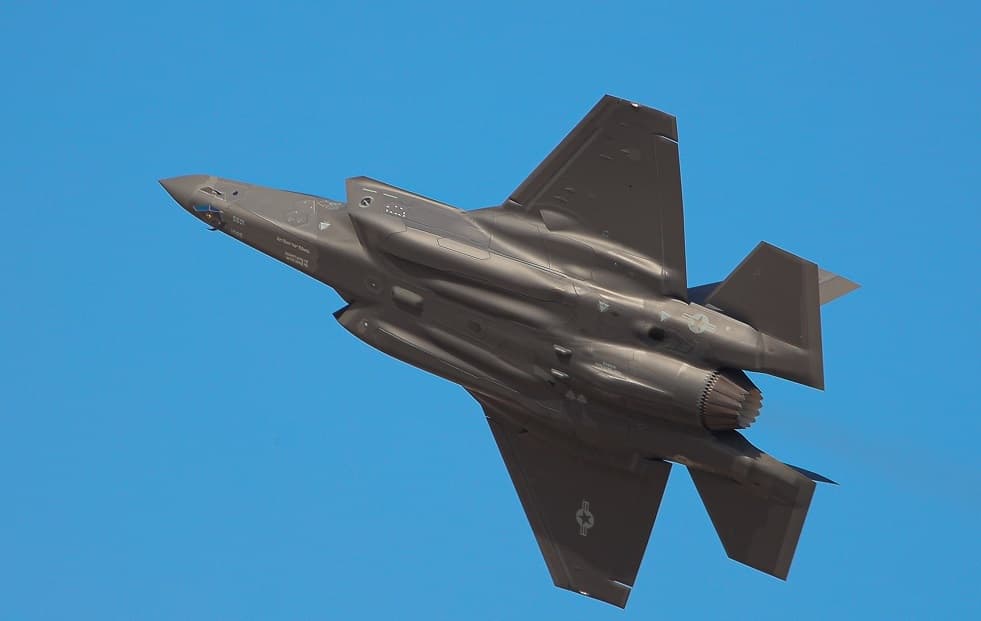
Iran Strikes US F-35, Forcing Emergency Landing
20 sources compared

Trump Threatens to Blow Up Iran's Pars Sul Gas Field as Energy Prices Surge
81 sources compared
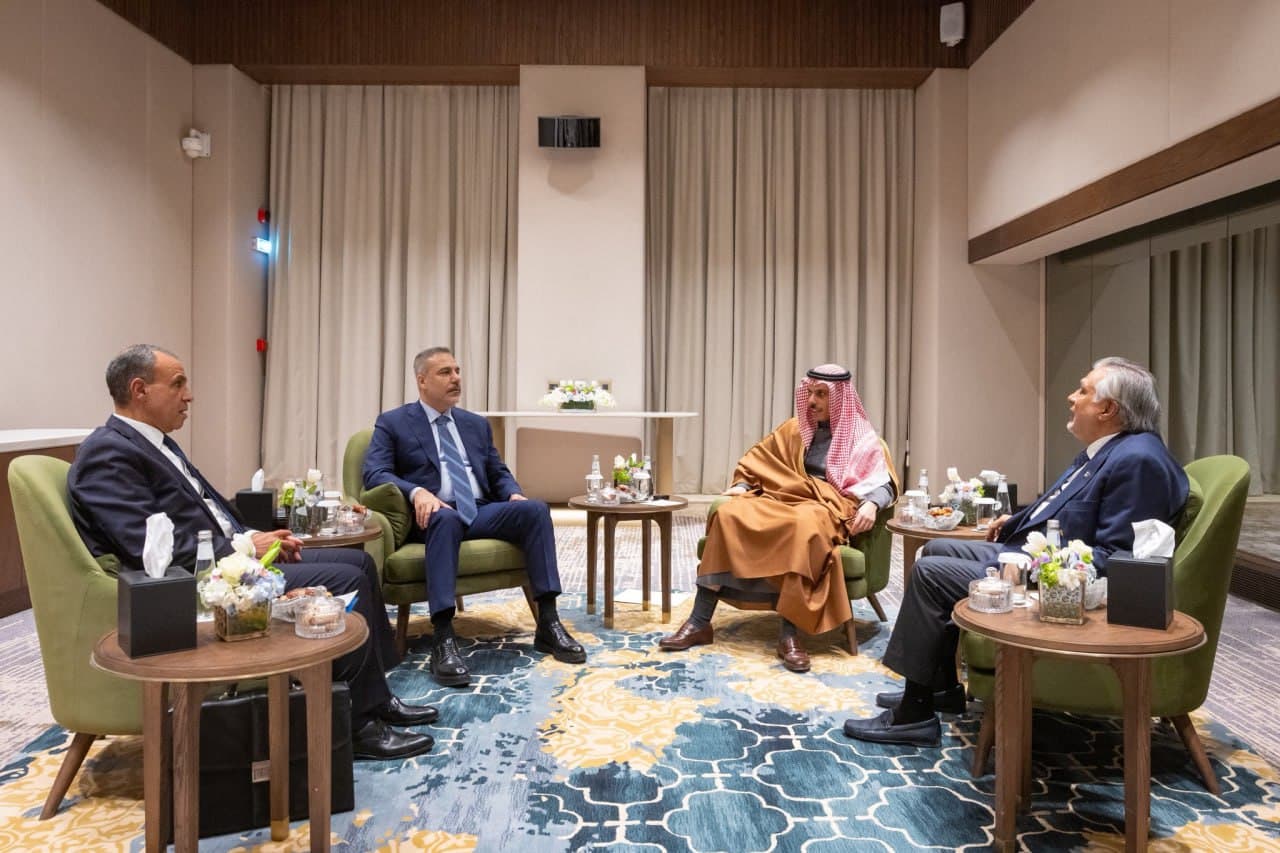
Iran Attacks Gulf Oil and Gas Facilities in Retaliation for Israeli Gas Field Attack
33 sources compared