
Iran Attacks U.S. as Americans Oppose Ground Troops, Polls Show
Key Takeaways
- Polls show broad American opposition to deploying ground troops in Iran.
- Republicans are divided on sending U.S. ground troops to Iran.
- Escalation follows a U.S.-Israel attack on Iran with Iranian strikes.
Public Opposition
Recent polling data reveals strong American opposition to potential U.S. ground troop deployments in Iran following attacks on U.S. interests.
“New YouGov Poll Shows Americans Oppose Ground Forces in Iran and Express Deep Concern About the Conflict A new poll of 1,000 Americans from YouGov released today shows broad public opposition to U”
Multiple surveys show clear public resistance to military escalation in the region.
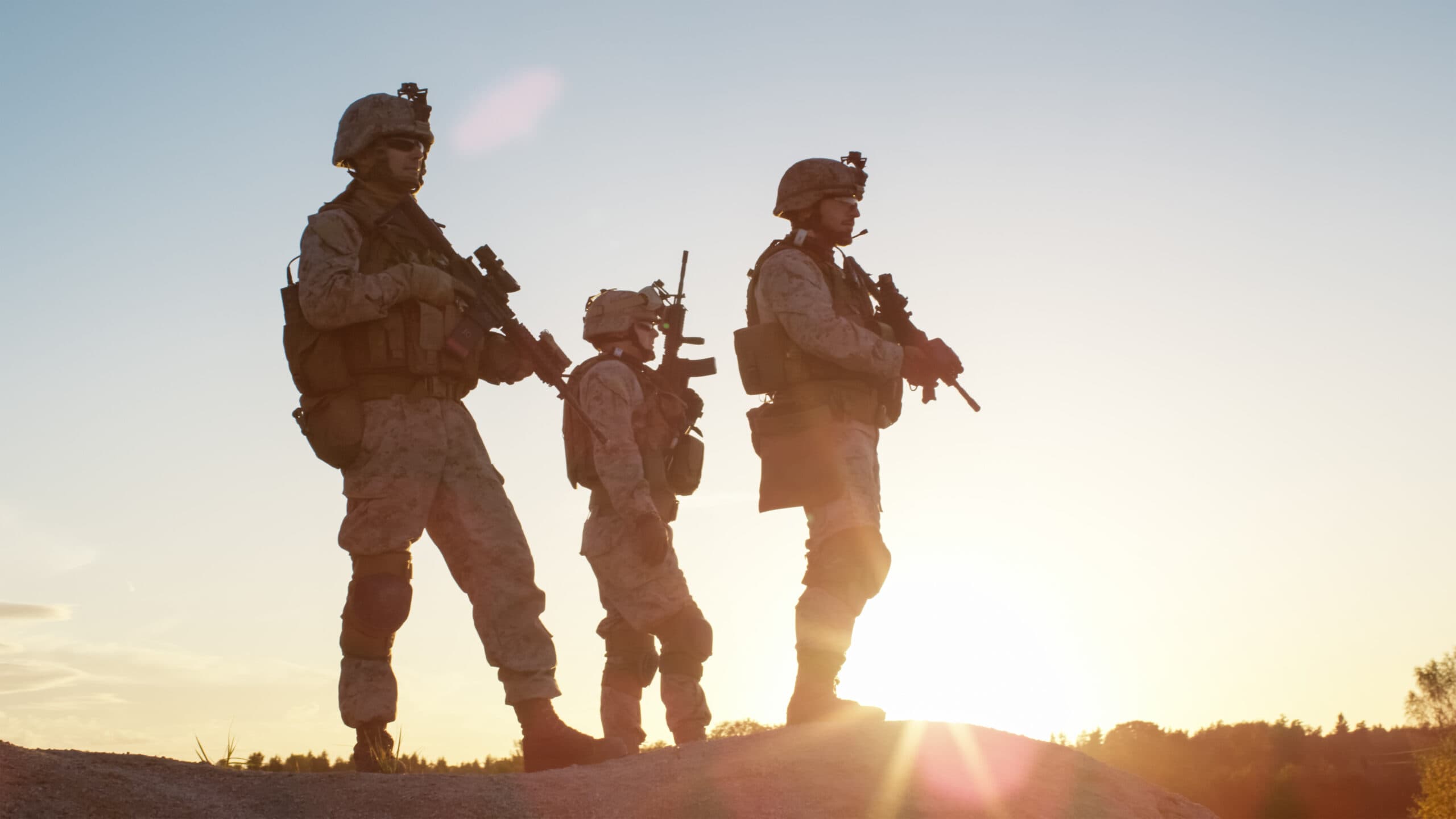
President Donald Trump has maintained a stance of ambiguity regarding troop deployments, stating he was 'not putting troops anywhere' when pressed by reporters about his plans.
The public sentiment reflects widespread concern about the consequences of further military involvement in the region.
Polls consistently show that a majority of Americans oppose sending ground troops to fight in Iran.
Poll Consistency
Polling data from multiple reputable sources consistently demonstrates overwhelming American opposition to U.S. ground troops in Iran.
Figures range from 60% to 74% across different surveys, showing remarkable consistency in public opinion.
The Data for Progress poll found 68% of all voters opposed deploying U.S. soldiers in Iran.
Quinnipiac University reported 74% of voters opposed sending U.S. ground troops to Iran.
The YouGov poll confirmed this trend with 60% opposing ground forces.
Reuters found that while 65% believe Trump will order troops, only 7% support such action.
These high levels of opposition span across multiple methodologies and time periods, indicating stable public sentiment.
Party Divide
Political divides emerge clearly in the polling data, showing different attitudes across party lines.
“New YouGov Poll Shows Americans Oppose Ground Forces in Iran and Express Deep Concern About the Conflict A new poll of 1,000 Americans from YouGov released today shows broad public opposition to U”
Democrats show near-unanimous opposition to military action while Republicans display significant division.
The Quinnipiac poll found that 95% of Democrats oppose sending U.S. troops to Iran, compared to just 3% who support it.
Among Republicans, the split was much more pronounced, with 52% opposing troop deployment versus 37% supporting it.
Data for Progress revealed similar divisions, finding 21% of Republicans 'strongly support' deploying ground troops while 20% 'strongly oppose' them.
The Reuters poll showed 63% of Republicans support sending special forces, 14% support a large-scale invasion, and 21% oppose sending any troops.
This partisan divide suggests the issue is becoming increasingly politicalized, with Republicans more willing to consider military options.
Security Concerns
Americans express significant concerns about the Iran conflict's impact on national security.
Majorities believe the situation has made the country less safe despite military actions.
The YouGov poll found that 62% of Americans believe the conflict has increased the risk of terrorism on U.S. soil.
Only 6% say the conflict has decreased that risk.
Additionally, 53% say the war has made Americans less safe, compared to just 16% who say it has made them more safe.
There is substantial doubt about the administration's communication strategy.
44% of Americans say the Administration has been unclear in explaining the objectives of the war, versus 31% who say it has been clear.
Oversight Demand
Veterans and constitutional experts are calling for greater congressional oversight of military actions in Iran.
“New YouGov Poll Shows Americans Oppose Ground Forces in Iran and Express Deep Concern About the Conflict A new poll of 1,000 Americans from YouGov released today shows broad public opposition to U”
Polls show strong public support for restoring constitutional checks and balances.
The YouGov poll revealed that 57% of Americans believe presidents should need approval for military action.
57% say ground troop deployment requires congressional authorization.
Additionally, 55% of respondents believe current operations should have had congressional approval before proceeding.
Concerned Veterans for America Executive Director John Vick emphasized that veterans understand the costs of war.
Americans want 'a strategy that is clear, accountable, and consistent with constitutional checks and balances.'
More on USA

Trump threatens to deploy ICE agents to US airports amid DHS funding standoff
46 sources compared

ICE Detainee Royer Perez-Jimenez Dies in Florida Detention Center; Officials Suspect Suicide
10 sources compared
Elon Musk Offers to Pay TSA Salaries During Partial Government Shutdown
50 sources compared

California lawmakers rename Cesar Chavez Day to Farmworkers Day amid sexual abuse allegations.
17 sources compared