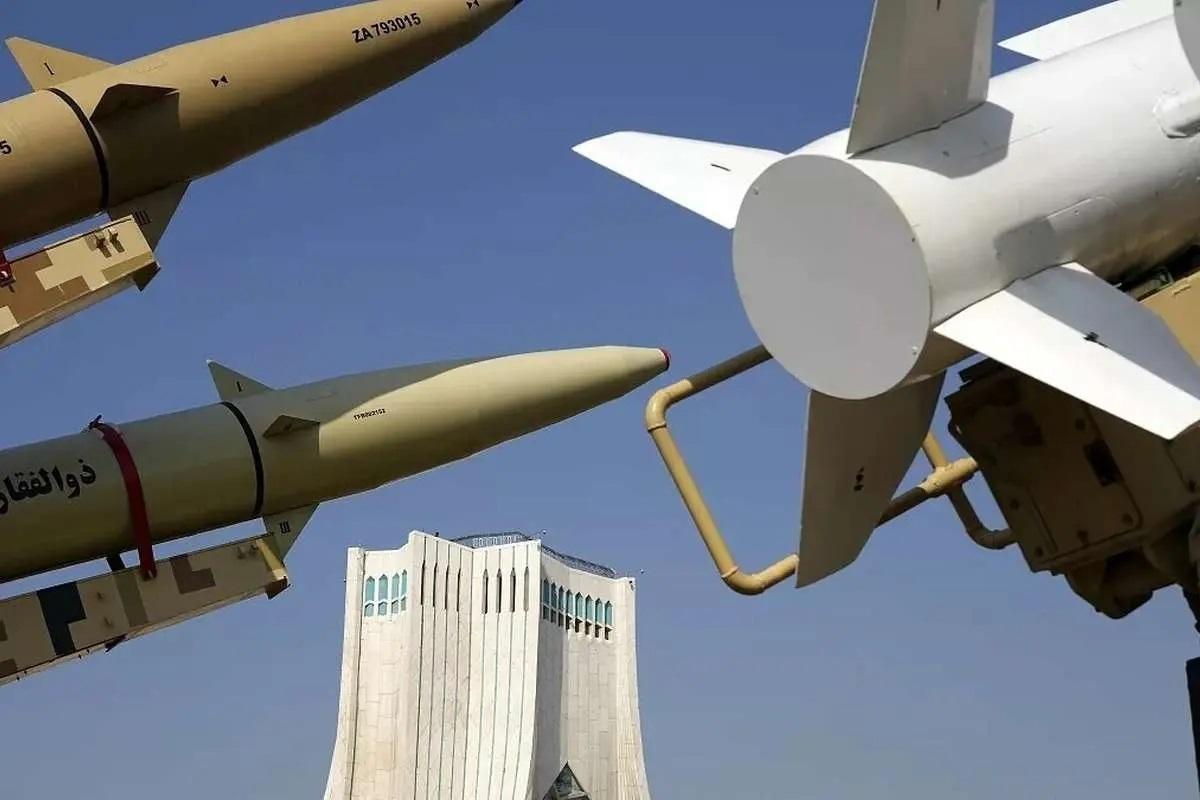
Iran Attacks US Navy Ships in Strait of Hormuz, UAE Reports Three Injured
Key Takeaways
- Renewed hostilities erupt in the Strait of Hormuz between Iran and the US.
- Iran targeted two ships near Hormuz; US says it acted in self-defence.
- Both sides accuse the other of initiating attacks.
Hormuz Clash Escalates
Renewed hostilities between Iran and the United States flared in the Strait of Hormuz as Iran accused the US of violating a ceasefire by targeting two ships and attacking civilian areas along Iran’s southern coast.
“Videos show interceptions over the skies of Tehran Iran has accused the United States of violating their ceasefire by targeting two ships near the Strait of Hormuz and attacking civilian areas along the country’s southern coast, as tensions continue to escalate around the strategic waterway”
The US military said it intercepted Iranian attacks on three navy ships and responded with “self-defence strikes,” while US President Donald Trump said the destroyers came under attack from Iranian speed boats, missiles and drones.

In the same confrontation, the US Central Command reported that US forces “redirected” 57 commercial vessels and “disabled” three ships since the start of the blockade on Iranian ports.
The Gulf News report also said Jordan and Bahrain condemned the Iranian attacks on the United Arab Emirates, which it said left three people injured, and Bahrain urged Iran to “halt threats to maritime security in the Strait of Hormuz.”
Ceasefire Dispute and Diplomacy
Iran accused the US of violating the ceasefire by targeting an Iranian oil tanker travelling from Iran's coastal waters near Jask toward the Strait of Hormuz and another vessel entering the waterway, while the US said it acted in self-defence after “unprovoked” strikes.
US President Donald Trump told an ABC News America reporter that the ceasefire was still in effect and sought to downplay the exchange, saying, "It's just a love tap," according to her social media post.
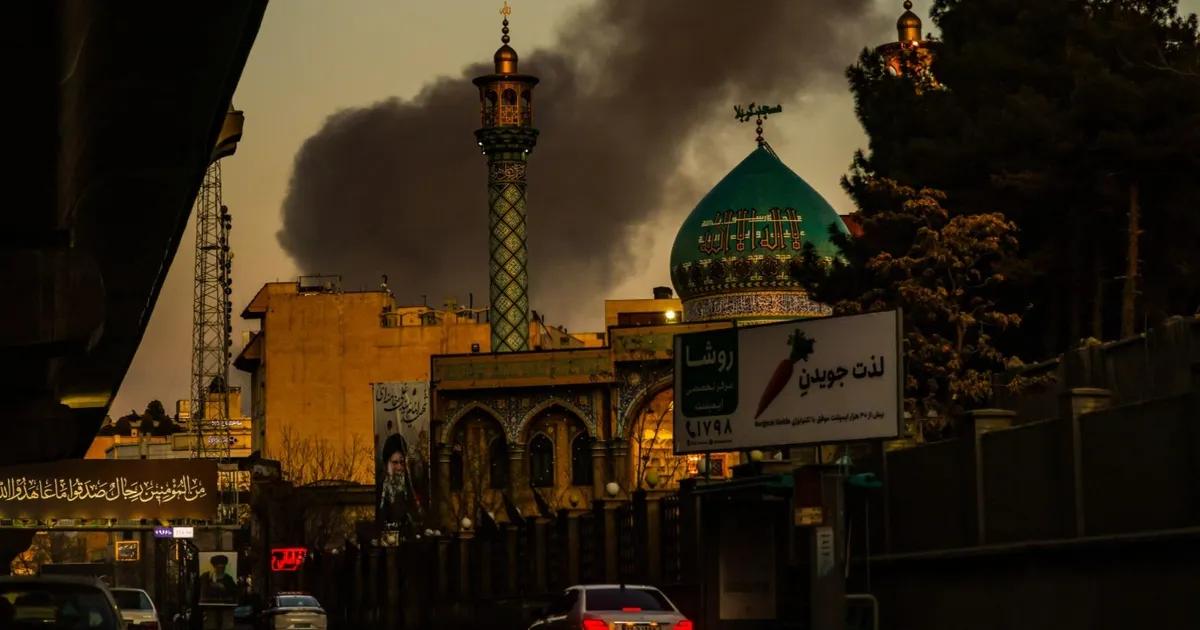
Al Jazeera said Iranian state media reported explosions on Qeshm Island and that air defence systems had intercepted several drones over the area, while the outlet described the exchange as a “tit-for-tat” unfolding even as diplomatic efforts continued.
In parallel, the Gulf News report said the US Secretary of State Marco Rubio urged Europeans to help secure the Strait of Hormuz, warning, "The world has to start asking itself, what is it willing to do if Iran tries to normalise a control of an international waterway?"
Markets, Oil, and Next Steps
As the US waited for Iran’s response to a proposal to end the war and reopen the Strait of Hormuz, CNBC reported Brent crude futures fell about 1% to close at $100.06 a barrel and West Texas Intermediate futures settled at $94.81 per barrel.
“Renewed hostilities have broken out between Iran and the United States, with each side claiming the other initiated attacks on military and civilian targets”
CNBC also reported that Mohsen Rezaei, a member of Iran's Expediency Council, said the U.S. must pay reparations for damage done to Iran and that Tehran would not allow the U.S. to propose an unrealistic plan to reopen Hormuz.
The same CNBC report said the US and Iran were close to a one-page, 14-point memorandum of understanding that would end the war and establish a framework for further negotiations, and it said the deal would lift restrictions in the Strait of Hormuz.
Gulf News added that the US Department of State will hold a new round of Lebanon-Israel talks on May 14-15, while the outlet also described US Central Command’s ongoing maritime operations aimed at controlling activity in the region amid heightened tensions.
More on Iran
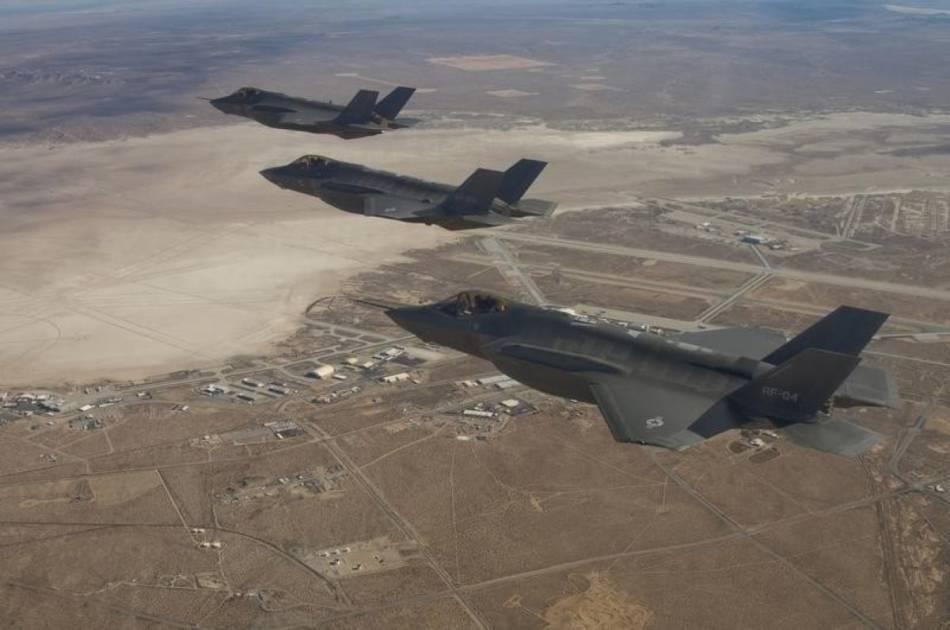
Israel Built Secret Base in Iraq’s Desert to Support Air Campaign Against Iran
14 sources compared
Israel Built Secret Military Outpost in Iraq’s Western Desert, Then Struck Iraqi Forces
21 sources compared

Iran Warns Ships From US Sanctions Backers Won’t Be Allowed Through Strait of Hormuz
30 sources compared
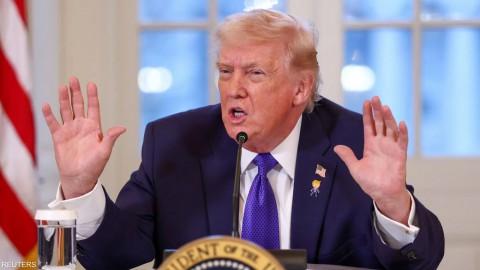
U.S. Waits for Iran’s Response as Revolutionary Guards Threaten American Centers in Region
20 sources compared