
Iran-backed Militias Strike US Embassy in Baghdad, Missile Hits Helipad.
Key Takeaways
- Missile hits helipad inside U.S. Embassy compound in Baghdad, triggering smoke.
- Iran-backed militias blamed for the attack on the Baghdad embassy.
- Two drones attacked the U.S. embassy, per Iraqi security officials and CNN.
Embassy Attack Details
The US Embassy in Baghdad was targeted in a significant missile attack on Saturday morning, 14 March 2026.
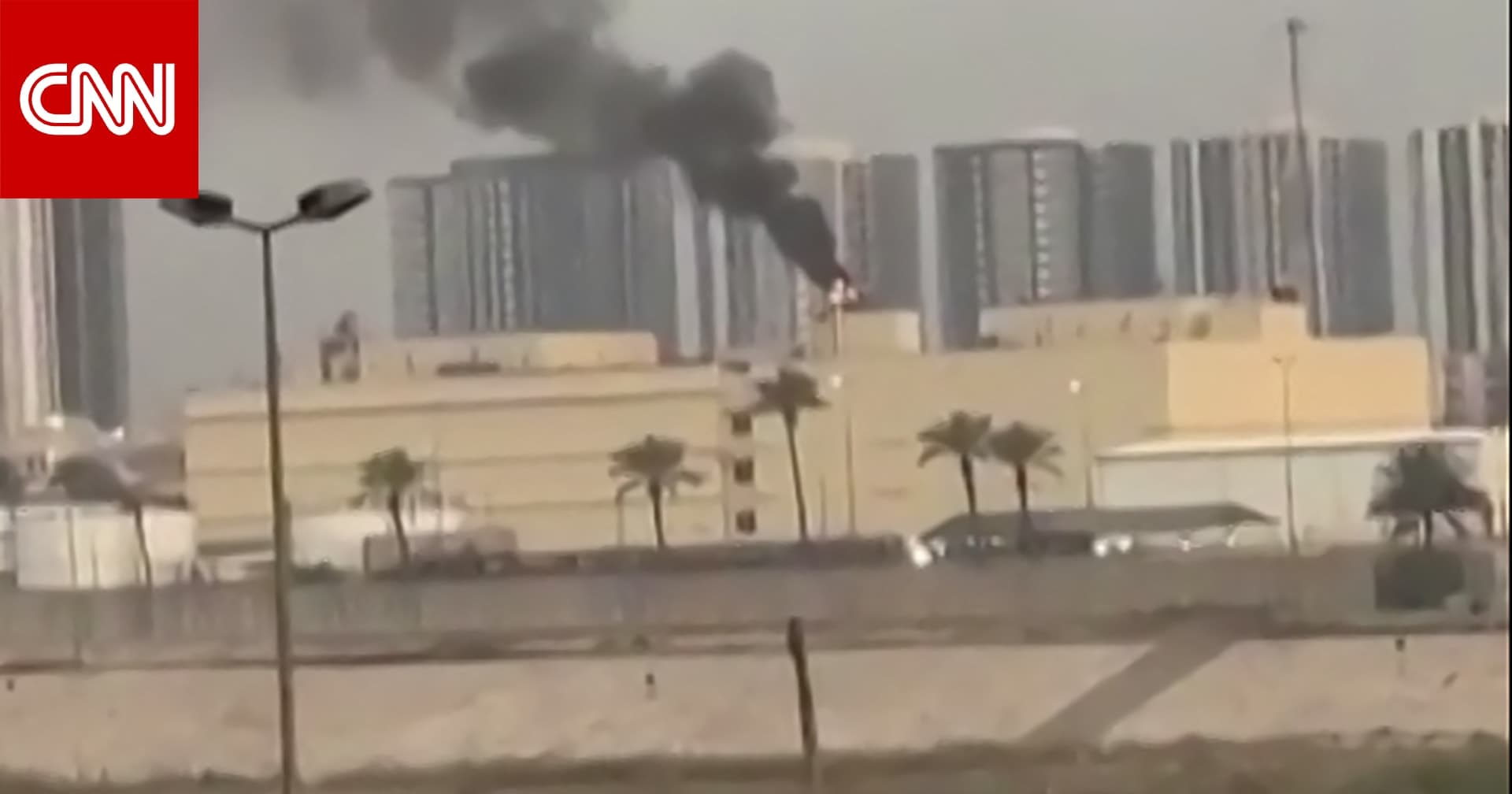
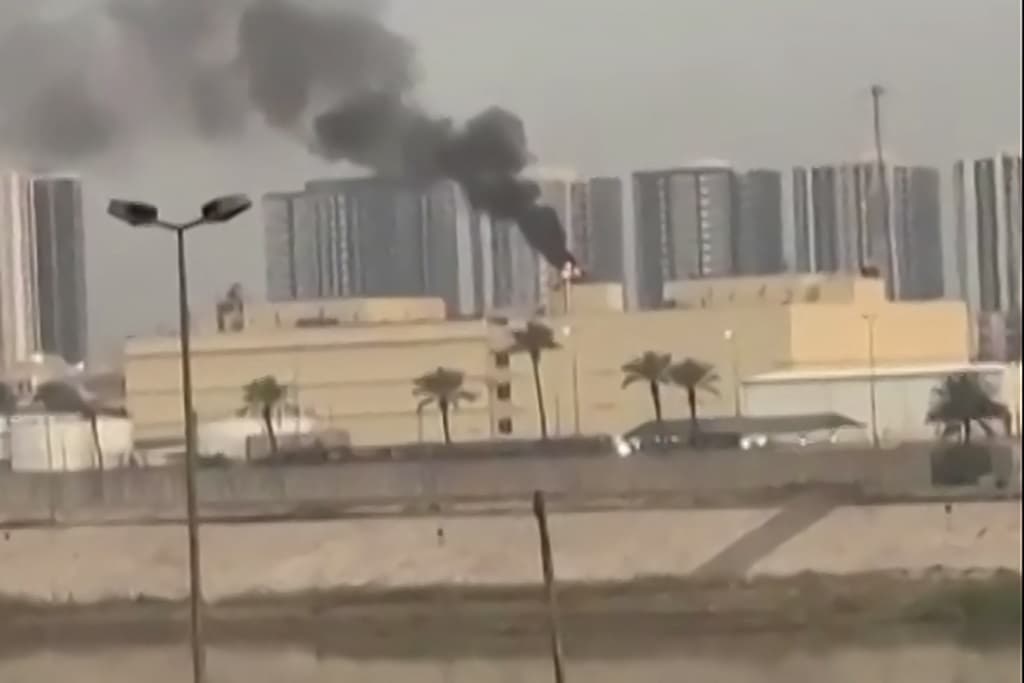
“Smoke seen rising from US embassy in Baghdad The United States Embassy in the Iraqi capital Baghdad has been hit by a missile attack that caused smoke to rise from the building”
A projectile struck a helipad inside the heavily fortified compound.
Iraqi security sources confirmed the attack, which caused visible damage and smoke to rise from the diplomatic facility.
The strike represents the latest escalation in a series of attacks against American installations throughout the Middle East region.
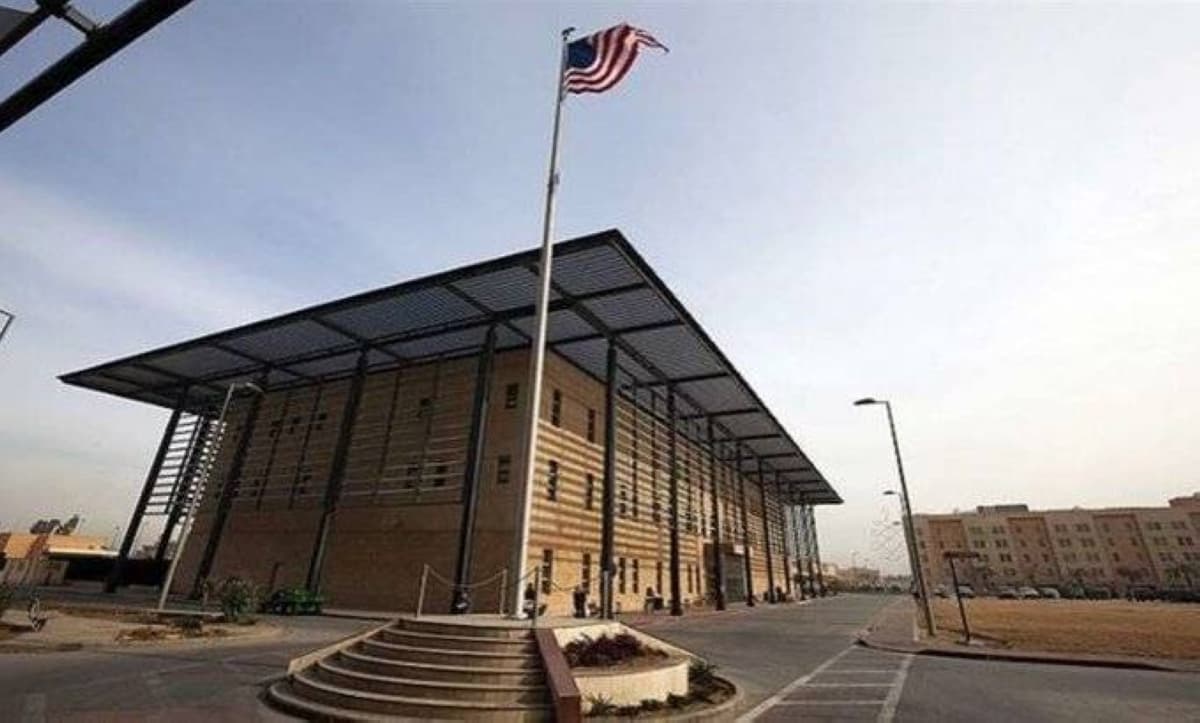
The embassy, located within Baghdad's Green Zone, has long been a focal point for attacks by Iran-backed militias.
Videos circulated by the Associated Press showed columns of smoke rising above the sprawling diplomatic complex.
The attack reflects the deepening tensions between Washington and Tehran amid the widening regional conflict.
Attack Context
The attack occurred against the backdrop of escalating regional tensions and followed recent strikes that targeted Iran-backed militant groups.
Just hours before the embassy attack, two strikes had targeted Kataeb Hezbollah, an Iran-aligned Shiite paramilitary group.
The attacks killed three members including a commander named Abou Ali al-Amiri.
The first strike hit a house in the Arasat neighborhood where several Iran-backed groups have a presence.
A second attack struck a vehicle in the Nahrawan district.
Security sources initially reported two casualties but later revised the death toll to three, all killed in the house strike.
Kataeb Hezbollah subsequently held a funeral procession in Baghdad for the fallen fighters.
Local media reports suggested that the group's top leader Ahmad al-Hamidawi may have been wounded in the attack.
These incidents highlight the complex proxy warfare dynamics at play in Iraq, which has long served as a battleground between US and Iranian interests.
Security Response
Following the missile strike, the US Embassy in Baghdad immediately issued a stern security alert, urging all American citizens in Iraq to leave the country immediately.
“CNN said that a security official told CNN that the U”
The embassy updated its security status to Level 4, the highest advisory level.
The warning stated that Iran and Iran-aligned militia groups have previously targeted US citizens and 'may continue to target them.'
The embassy advised citizens not to approach the Baghdad embassy or the consulate in Irbil for their safety.
This advisory cited the ongoing risk of missiles, drones, and rockets in Iraqi airspace.
The embassy specifically stated that 'US citizens choosing to remain in Iraq are strongly encouraged to reconsider in light of the significant threat posed by Iran-aligned terrorist militia groups.'
This urgent evacuation call reflects the deteriorating security situation.
The embassy's assessment is that American personnel and citizens face immediate and serious danger from the ongoing hostilities.
Regional Escalation
The Baghdad embassy attack is part of a broader pattern of escalating violence across the Middle East.
Multiple fronts are seeing increased hostilities as the regional conflict expands.
In Saudi Arabia, the Ministry of Defence confirmed interception and destruction of 10 drones targeting Riyadh and eastern regions.
Saudi forces had destroyed seven additional drones earlier in the day.
Another drone was neutralized entering northern Al-Jawf.
In the United Arab Emirates, smoke rose from Fujairah port after a drone interception.
Iran's Tasnim news agency declared UAE ports 'legitimate targets' due to US military presence.
Israeli military operations extended into Lebanon with infrastructure strikes.
The WHO reported 27 attacks on healthcare facilities in Lebanon since March 2.
These attacks resulted in 30 deaths and 35 injuries.
This coordinated regional violence suggests a strategy by Iran-aligned groups responding to US and Israeli actions against Iran.
Damage Assessment
The attack caused significant damage to the embassy compound, particularly the helipad structure.
“en EnglishUnited States Deutsch English Español Français Italiano العربية All languages Afrikaans azərbaycan bosanski català Čeština Cymraeg Dansk Deutsch eesti EnglishUnited Kingdom EspañolEspaña EspañolLatinoamérica euskara Filipino FrançaisCanada FrançaisFrance Gaeilge galego Hrvatski Indonesia isiZulu íslenska Italiano Kiswahili latviešu lietuvių magyar Melayu Nederlands norsk o‘zbek polski PortuguêsBrasil PortuguêsPortugal română shqip Slovenčina slovenščina srpski (latinica) Suomi Svenska Tiếng Việt Türkçe Ελληνικά беларуская български кыргызча қазақ тілі македонски монгол Русский српски Українська ქართული հայերեն עברית اردو العربية فارسی አማርኛ नेपाली मराठी हिन्दी অসমীয়া বাংলা ਪੰਜਾਬੀ ગુજરાતી ଓଡ଼ିଆ தமிழ் తెలుగు ಕನ್ನಡ മലയാളം සිංහල ไทย ລາວ မြန်မာ ខ្មែរ 한국어 日本語 简体中文 繁體中文 繁體中文香港 Sign in Sign in”
There were no immediate reports of casualties among embassy personnel or US citizens.
The attack destroyed part of the embassy's air defense system according to Iraqi security sources.
Wire photographs showed apparent damage to a structure atop the embassy roof.
Footage showed people removing objects from the roof after the attack.
This suggests potential intelligence gathering or damage assessment activities.
CNN Arabic reported the attack may have involved two drones rather than a single missile.
There was conflicting information about the exact nature of the attack.
The embassy itself did not immediately respond to requests for comment.
The visible impact on the compound and the immediate evacuation order underscore the severity of the security breach.
This highlights the vulnerability of even heavily fortified diplomatic facilities in the current conflict environment.
More on USA
Iran Attacks U.S. Embassy in Baghdad with missiles, escalating regional conflict
14 sources compared

Pentagon identifies six US Air Force airmen killed in KC-135 crash in western Iraq
115 sources compared

FCC Chair Brendan Carr threatens to revoke broadcaster licenses over Iran war hoaxes.
14 sources compared

President Donald Trump Urges Global Naval Coalition to Reopen Strait of Hormuz
100 sources compared