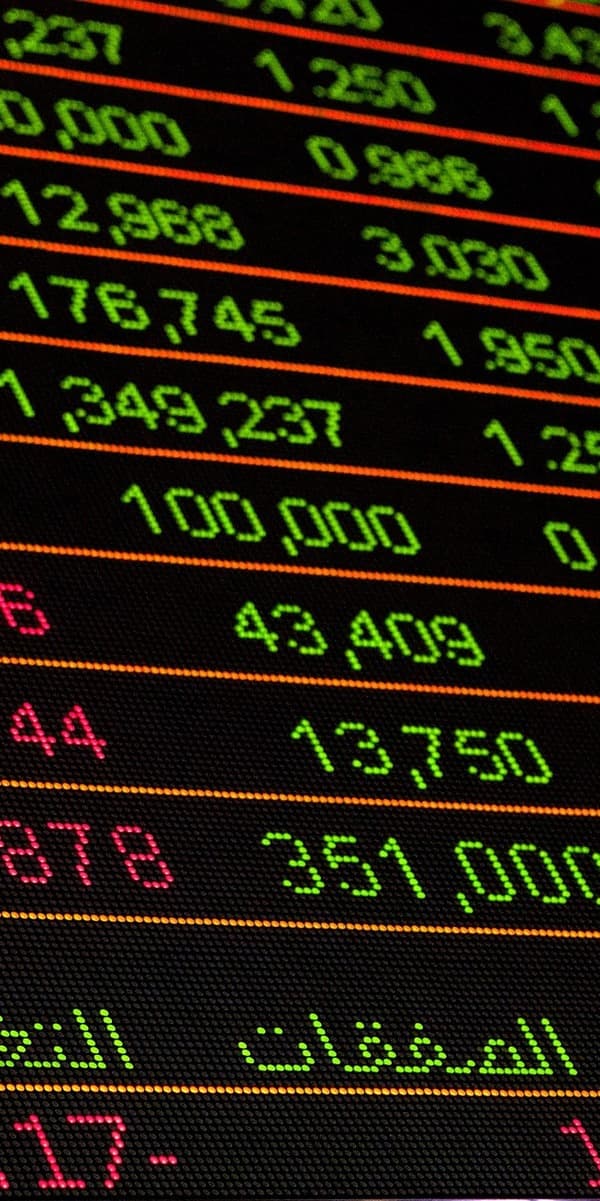
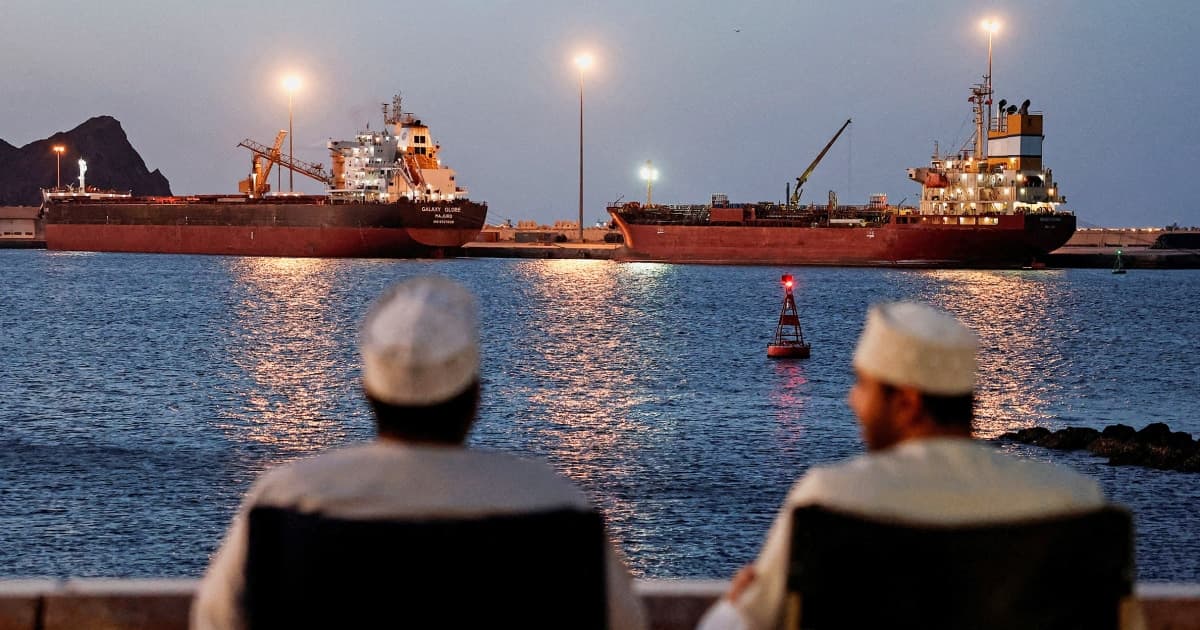
Iran blocks Strait of Hormuz, halting oil shipments, sending crude above $100.
Key Takeaways
- Iran blocks the Strait of Hormuz, halting tanker traffic through the waterway.
- Brent crude and other benchmarks rise above $100 per barrel amid the disruption.
- Global markets fear severe economic impact and volatility due to the supply shock.
Hormuz Blockade Impact
Iran has successfully blocked the Strait of Hormuz, the world's most critical oil transit corridor.
“Brent crude surged above $100 per barrel on Friday as the war with Iran effectively halted tanker traffic through the Strait of Hormuz, prompting major banks to revise oil price forecasts sharply higher”
This narrow waterway normally handles 20 million barrels per day of crude oil, representing roughly 20% of global seaborne oil trade.
The blockade has created an immediate physical supply crunch as crude cannot reach international markets.
Traffic is down 90% with hundreds of ships stranded at anchor off coasts of major oil exporters.
Escalating hostilities have also damaged key Gulf energy infrastructure including Ruwais Refinery and Bahrain's refining network.
Oil Price Surge
The Strait of Hormuz blockade has triggered a dramatic surge in global oil prices.
Brent crude traded at $100.80 and WTI hitting $95+, representing a 40% monthly gain for Brent and 46% for WTI.
This rapid price escalation reflects the real physical nature of the supply disruption.
Unlike previous geopolitical shocks, supply cannot be easily redirected.
Pre-war forecasts expected $71 for Brent in Q4, now replaced by baseline projections of $93 or higher.
The surge has forced non-OPEC+ supply responses and tightened physical balances.
Market volatility briefly dips on IEA reserve release news but rebounds on closure confirmation.
Geopolitical Context
The geopolitical context stems from Trump's bombing of Iran's Kharg Island oil export terminal.
“The conflict involving the United States, Israel, and Iran shook global energy markets and triggered one of the most dramatic oil price swings of the year”
Trump's threats to further target Iranian exports have accelerated the closure of the Strait of Hormuz.
An Iranian armed forces spokesperson declared they 'will not allow even one liter of oil to pass through the Strait of Hormuz for the benefit of the U.S. and its allies.'
Iran explicitly warned 'Get ready for oil to be $200 a barrel.'
Thirteen ships have been attacked in the strait since U.S. and Israeli strikes sparked the war on February 28.
Iran has the capability to deploy hundreds of mines to effectively booby-trap the shipping lane.
This could guarantee longer-term disruption even after the conflict ends.
European Crisis
For Europe, the Hormuz blockade represents an acute economic crisis.
90% of Middle East oil imports transit through the strait.
Impact is immediate in Germany, Austria, and Switzerland where diesel and jet fuel costs have exploded.
This hits transport sectors, industries, and airlines across the continent.
The European Central Bank's inflation watch has intensified dramatically.
Energy now becomes a core driver of CPI in Europe.
Major industrial players like BASF and Siemens are being forced to pass costs along.
DACH refineries such as Bayernoil and Miro face direct supply shortfalls.
The euro weakens against the dollar, amplifying import bills.
Global Response
Global response efforts to mitigate the Hormuz crisis have been limited but significant.
“Brent crude surged above $100 per barrel on Friday as the war with Iran effectively halted tanker traffic through the Strait of Hormuz, prompting major banks to revise oil price forecasts sharply higher”
The International Energy Agency released 400 million barrels from strategic reserves - a record volume.
Analysts doubt the long-term impact, noting these releases cover weeks rather than months.
Trump has signaled focus on military action over diplomatic solutions.
Market positioning has shifted with mid-cap energy names gaining as major oil companies stall.
China's substantial stockpiles of 1.2-1.3 billion barrels provide some buffer.
China can buy discounted Russian crude, but fundamental imbalance remains.
Wood Mackenzie warns Brent could reach $150 soon and potentially $200 in 2026.
They assess that 'supply at risk is dimensionally bigger' than prior geopolitical shocks.