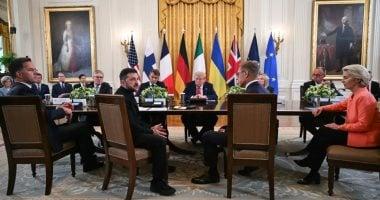
Iran Closes Strait of Hormuz as US-Israeli Strikes Kill Over 200 Iranians
Key Takeaways
- Iran maintains a defiant hold on the Strait of Hormuz amid attacks.
- Trump threatens to strike Iran's infrastructure over the Hormuz crisis.
- Diplomatic talks and a two-stage peace proposal seek to reopen Hormuz.
Opening Strikes
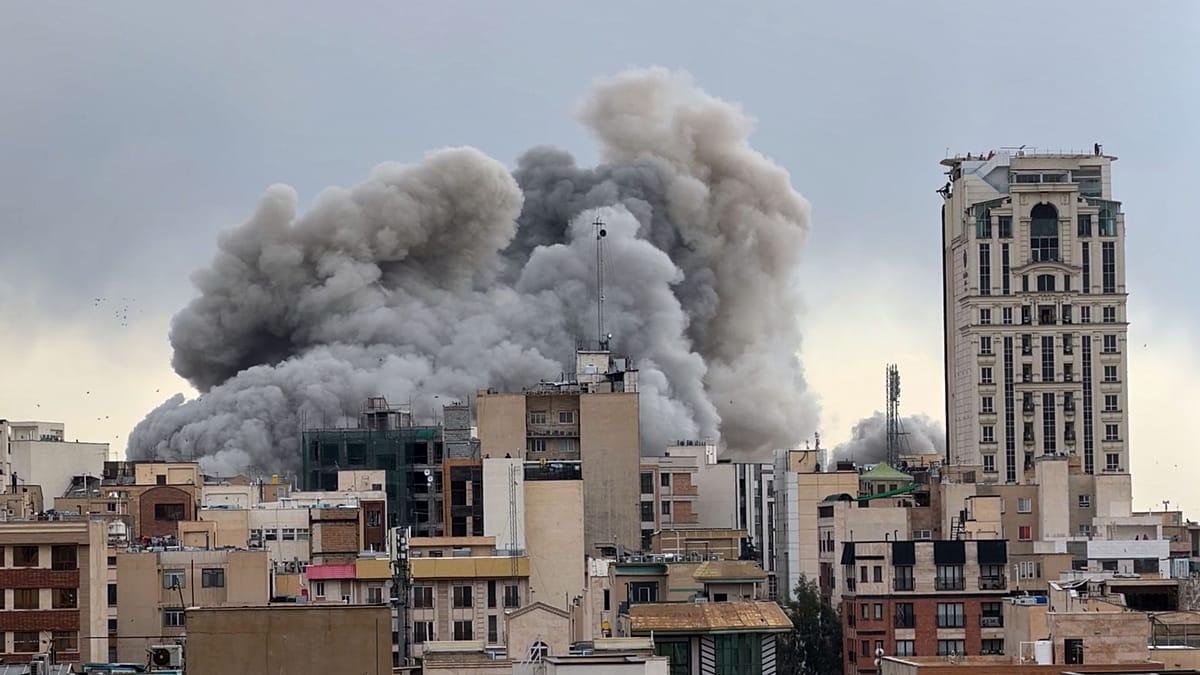
The US and Israeli military launched coordinated airstrikes against Iran on February 28.
“India has begun buying oil and gas from Tehran after a seven‑year hiatus as it grapples with supply disruptions and elevated energy prices triggered by the U”
The Iranian Red Crescent reported at least 201 people killed, including 153 at a girls' school in Minab.

The Pentagon confirmed six American service members killed.
The Atlantic Council described the campaign as a major shift toward pursuing regime change.
Iran Retaliates
Iran retaliated by declaring the Strait of Hormuz closed to US and allied shipping.
Iranian missile strikes on Israel killed 11 people.

The IRGC Navy announced the Strait had entered a fundamentally new phase.
Oil prices surged as global supply chains faced disruption.
Despite intense diplomatic talks, Iran showed no intention of relinquishing control over the strait.
International Response
A summit in Islamabad discussed regional solutions to reopen the strait.
Pakistan emerged as a key intermediary in indirect talks between Washington and Tehran.
Iran refused to negotiate its missile program or proxy forces.
European reactions were mixed; France and Germany declined to participate.
India resumed oil imports from Iran under a US waiver.
Only 27% of Americans approved the strikes.
More on Iran
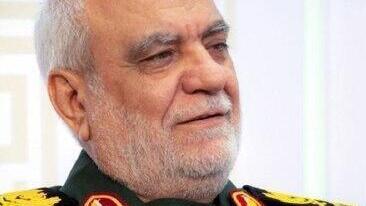
Israel Assassinated Iran's IRGC Intelligence Chief Majid Khademi
17 sources compared
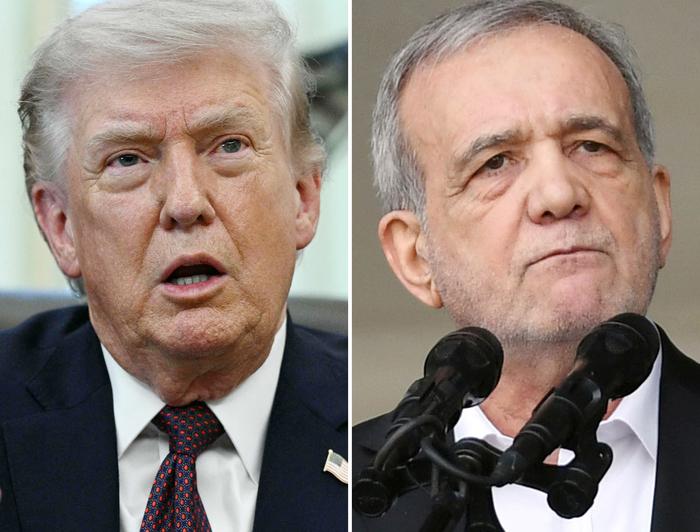
Pakistan Brokers Islamabad Accord: Two-Tier Ceasefire Between US and Iran
20 sources compared
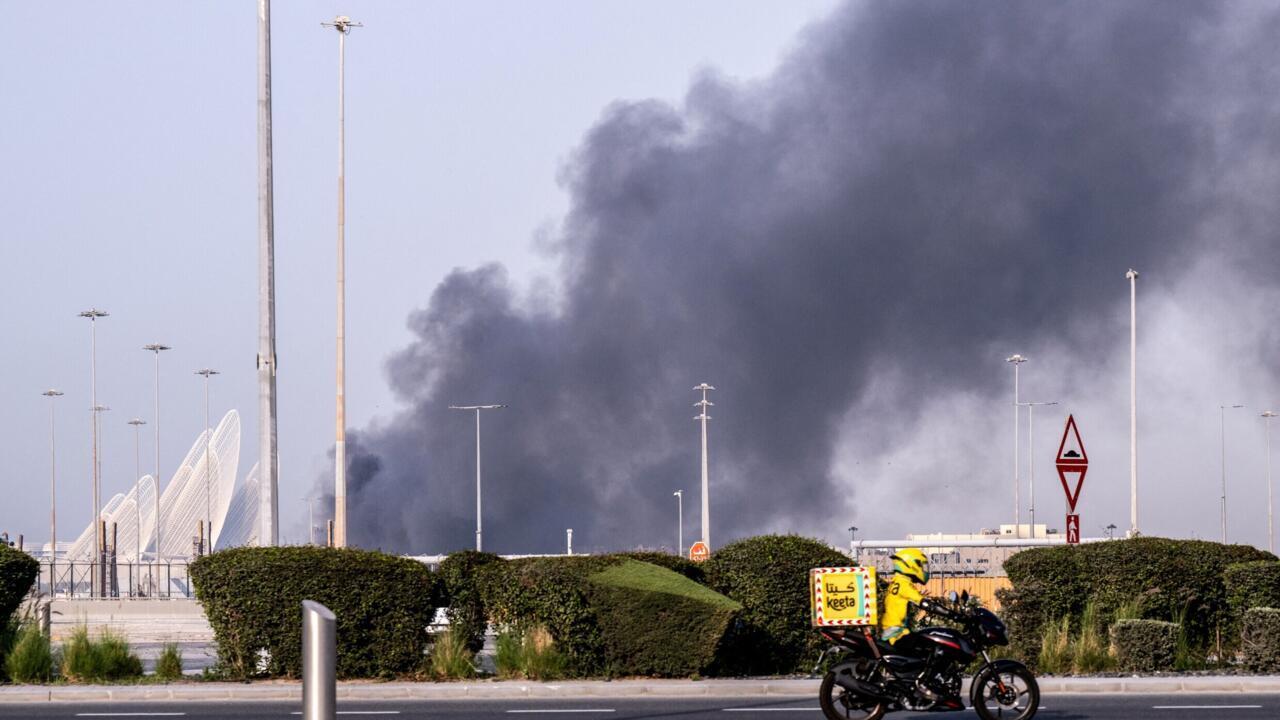
Iranian Drone and Missile Strikes Cripple Gulf Infrastructure Across Four States
12 sources compared
Trump Threatens Iran With Epic Infrastructure Strikes If Hormuz Not Open
43 sources compared