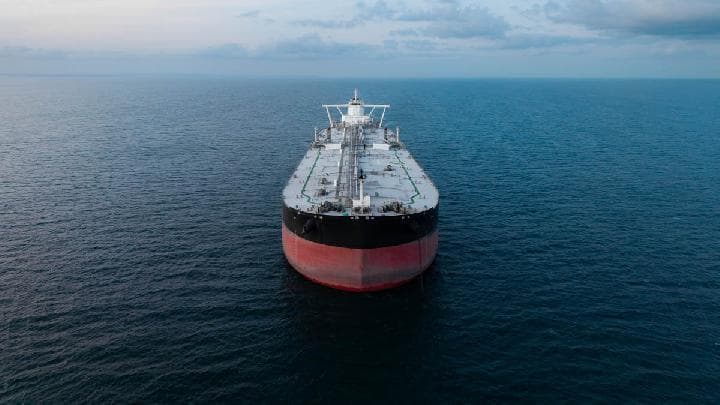
Iran Closes Strait of Hormuz, Cuts Middle East Oil Output; Crude Could Hit $100
Key Takeaways
- Crude oil could reach US$100 per barrel this week.
- Brent crude is predicted to reach US$150 per barrel.
- Ibrahim Assuaibi attributes oil price rises to Iran closing the Strait of Hormuz.
Crude price risk outlook
Iran’s closure of the Strait of Hormuz and reduced Middle East output prompted PT Traze Andalan Futures director Ibrahim Assuaibi to warn that crude oil could hit about US$100 per barrel this week and that Brent could reach US$150 per barrel.
“Reporter Anastasya Lavenia Yudi March 9, 2026 | 10:00 am TEMPO”
Assuaibi linked the supply disruption directly to the sharp price risk.
Such warnings were reported in coverage summarising Assuaibi’s outlook and the immediate market reaction to the Strait’s closure and lower regional production.
Oil, Inflation and Gold
Analysts and market commentators in the reports tied higher oil to near-term inflationary pressure, particularly in logistics and transport, and to upward pressure on safe-haven assets.
Assuaibi projected gold rising to about US$5,395 per troy ounce (≈Rp3,150,000/gram), with downside support near US$4,959/oz if prices retrace.
The coverage framed these moves as a direct consequence of supply disruption via the Hormuz closure and falling Middle East output.
Oil price fiscal impact
Indonesia’s Finance Minister Purbaya Yudhi Sadewa told reporters the ministry modelled a sustained US$92/barrel average for 2026.
“Reporter Anastasya Lavenia Yudi March 9, 2026 | 10:00 am TEMPO”
The ministry found that scenario would push the state budget deficit to about 3.6% of GDP if sustained all year.
He emphasised the government could avoid a larger deficit by cutting inefficient spending.
Coverage used these fiscal calculations to highlight how higher oil would directly strain national budgets that were built on lower price assumptions.
Indonesia oil market impact
Reports placed the immediate market moves in context: Indonesia’s budget had been based on an assumed US$70/barrel for 2026 while market rates were roughly US$78–80 at the time of reporting.
Coverage noted Indonesia was seeking alternative supplies outside the Middle East.
The articles referenced historical precedent, saying periods when oil climbed above US$150/barrel had slowed Indonesia’s economy but had not caused a full-blown crisis.
This framing presented both the risks of higher oil prices and the government’s stated ability to manage the shock.