
Iran Continues Drone And Missile Attacks On Kuwait And Saudi Energy Facilities During Ceasefire
Key Takeaways
- Iranian drones and missiles targeted Kuwait's energy infrastructure and Saudi energy facilities during the ceasefire.
- Air defenses intercepted drones and missiles; outages hit energy facilities in Saudi and Kuwait.
- About 15 US personnel injured in an Iranian drone strike at Kuwait's air base.
Drone Attacks Continue
Despite a two-week ceasefire announced between the United States and Iran, Gulf countries continued to face drone and missile attacks from Iran.
“Several Gulf nations have reported missile and drone attacks on their territories, hours after Iran and the United States announced a two-week ceasefire”
Kuwait's army said it was dealing with hostile drones that targeted a number of vital facilities on the second day of the ceasefire.
Saudi Arabia announced a halt to operations at several energy facilities due to the attacks.
The Saudi Press Agency quoted a Ministry of Energy source saying vital energy facilities had been subjected to multiple attacks, leading to one death and seven injuries.
The Kuwaiti Ministry of Defense said air defense systems responded to intense hostile Iranian attacks, adding that a total of 28 drones were dealt with.
The attacks resulted in serious material damage to oil infrastructure facilities, power stations, and water desalination plants.
Ceasefire Under Strain
The continued attacks came hours after the ceasefire was announced, raising questions about its stability.
The UAE Ministry of Defense said its air defense systems were actively engaging incoming missiles and drones from Iran.

Debris from an interception in the UAE injured three people and caused a fire at the Habshan gas-processing facility.
Bahrain's Ministry of Interior reported that two citizens sustained minor injuries and houses were damaged in the Sitra area.
Explosions were also reported at Iran's Lavan refinery hours after the ceasefire.
The Guardian quoted General Dan Kin saying the ceasefire is only a temporary pause in the war.
Regional Impact and Reactions
The attacks had significant regional economic consequences.
The Strait of Hormuz was a central focus of the ceasefire.
Trump stated the agreement was contingent on its complete, immediate, and safe opening.
Iranian Foreign Minister Javad Zarif said passage would be allowed under Iranian military administration.
The U.S. and Israel had launched more than 3,000 strikes on Iran since the conflict erupted.
Iran had retaliated with a total of 1,511 strikes against targets in Israel and the neighboring Gulf countries.
Airspace Reopenings
Iraq, Syria, and Bahrain reopened their airspace within 24 hours of the ceasefire.
The Iraqi Civil Aviation Authority announced the immediate reopening of the country's airspace.

All four of Iraq's commercial airports reopened.
The Syrian General Civil Aviation Authority announced the full reopening of all air corridors.
Bahrain became the first Gulf state to reopen its airspace since the start of the conflict.
Many countries continued to operate under significant route restrictions.
More on Iran
Trump Demands NATO Allies Commit to Securing Strait of Hormuz Within Days
12 sources compared
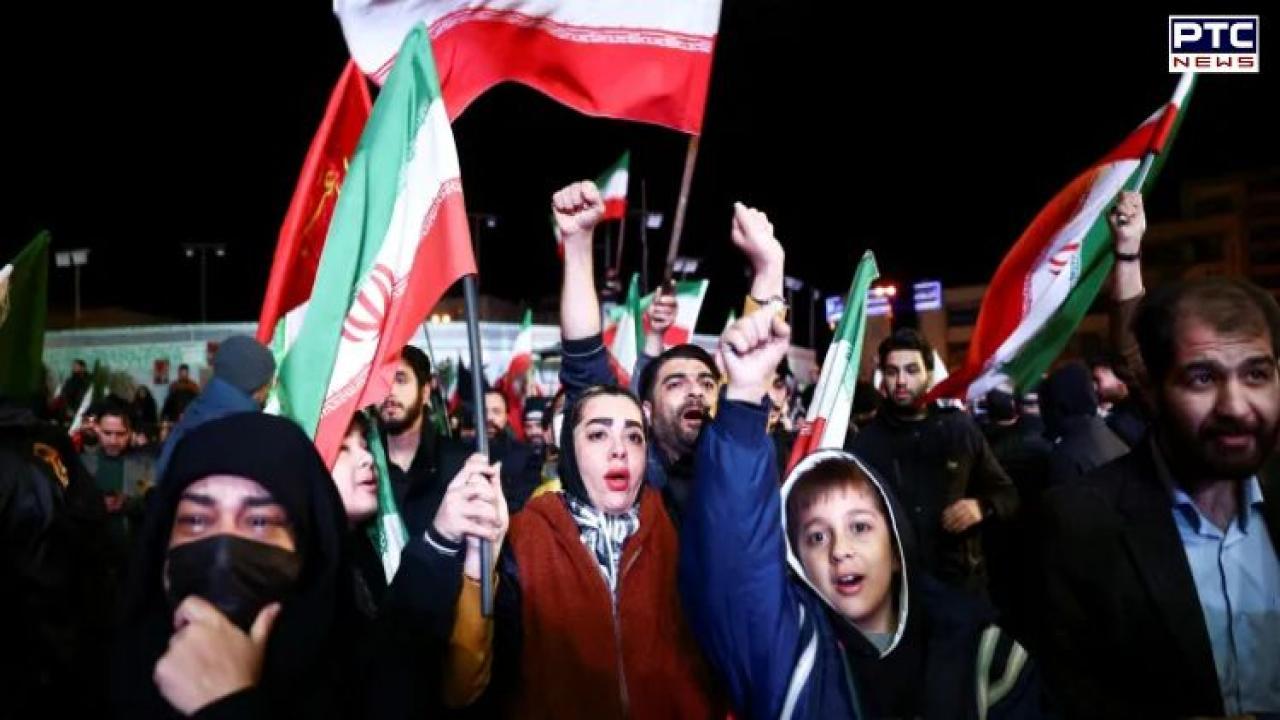
US And Iran Begin Peace Talks In Islamabad After Two-Week Ceasefire
20 sources compared
Iran Controls Strait of Hormuz, Keeps Shipping Traffic at Standstill Despite Ceasefire
17 sources compared
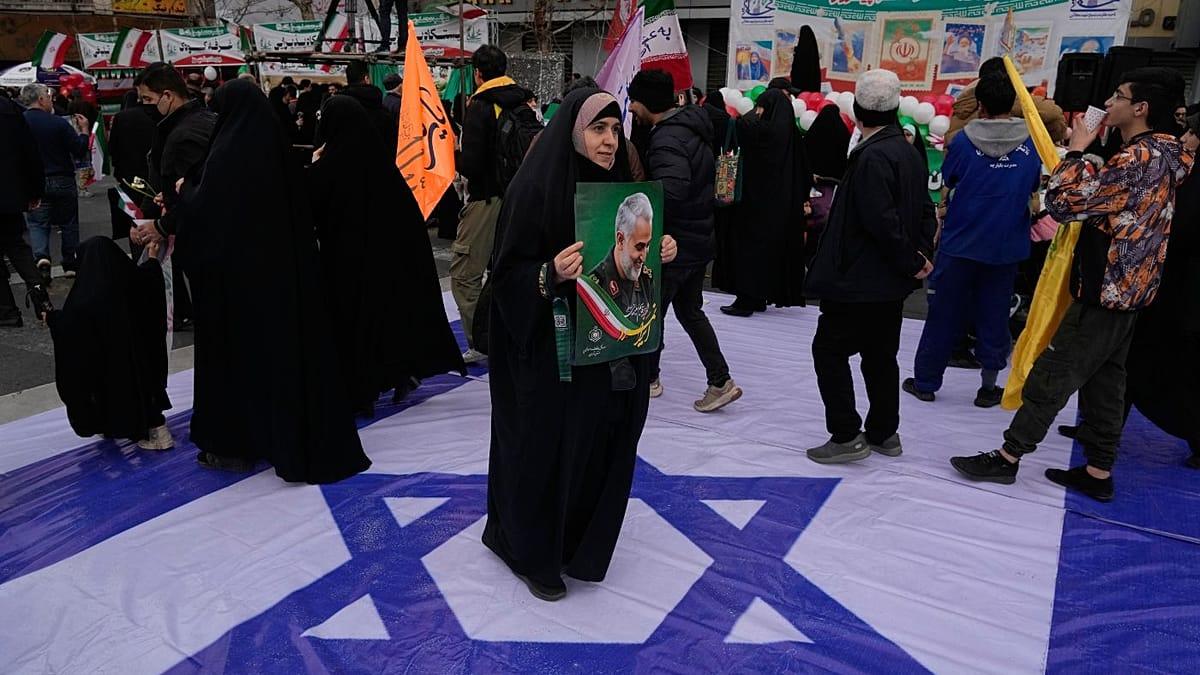
US-Iran Ceasefire Ends 40 Days of War Amid Regional Power Shifts
32 sources compared