
Iran Controls Strait of Hormuz, Blocking Shipping Despite US Ceasefire
Key Takeaways
- Iran orders ships to use alternative routes to avoid Hormuz mines.
- Shipping through the Strait remains largely stalled despite a two-week US-Iran ceasefire.
- Tehran seeks tolls for crossings, potentially up to millions per vessel.
Hormuz Strait Blockade
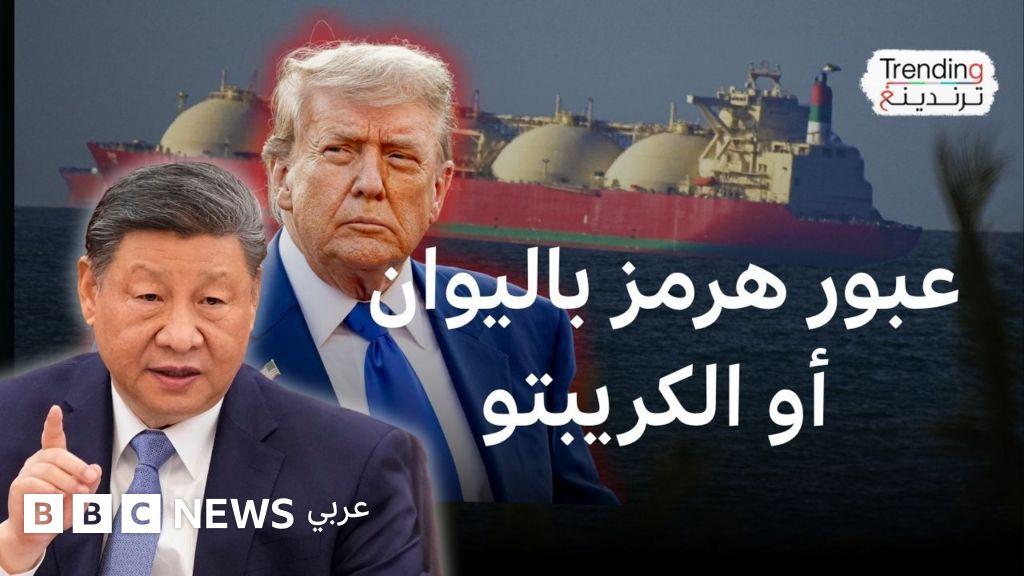
Despite a two-week ceasefire between the US and Iran, the Strait of Hormuz remained effectively closed.
Maritime intelligence firm Windward reported that transit conditions remain undefined and the strait has not reopened.
Ship-tracking data showed only 11 vessels transited the strait on the day before the ceasefire, compared to more than 100 ships daily before the war.
Insurance constraints and war-risk coverage continued to block a broader return.
Sultan Al Jaber described Iran's hold on the strait as coercion and political leverage.
Iran's Toll Demand
Iran pushed to formalize its de facto control over the Strait of Hormuz by demanding tolls of up to $2 million per ship.
The Financial Times reported that Tehran planned to charge ships in cryptocurrency, with proceeds shared with Oman.
Clean Clothes Campaign spokesperson Ineke Zeldenrust told the Guardian that the audit system was fundamentally broken.
Market and Diplomatic Fallout
Oil prices rebounded above $100 a barrel as the ceasefire's fragility became apparent.
The Australian Broadcasting Corporation reported it would likely take months for supply chains to recover.
The Washington Post described the strait as a shimmering mirage of safe passage.
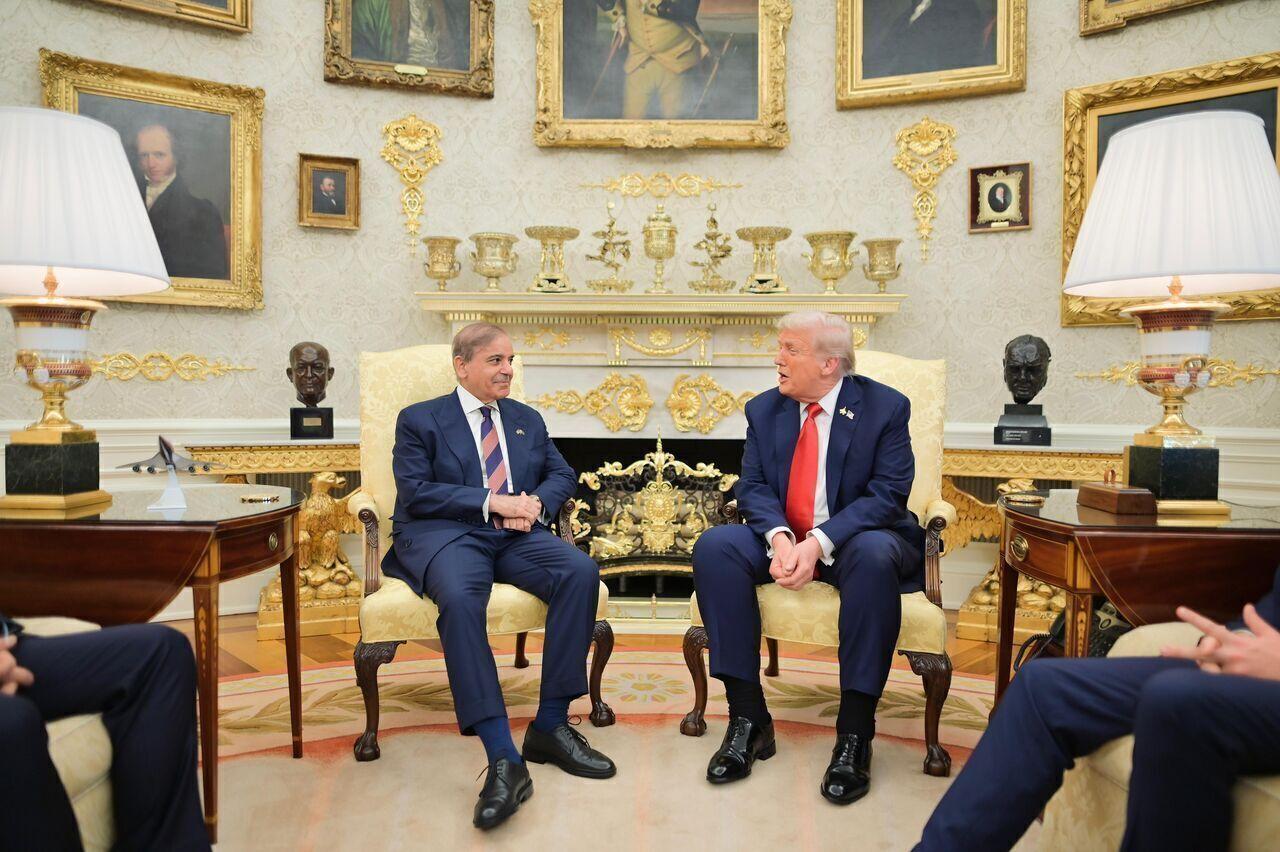
Pakistan prepared to host peace talks between the US and Iran.
More on Iran
Israel Kills Over 300 in Lebanon Despite US-Iran Ceasefire Including Lebanon
27 sources compared

IMF Downgrades 2026 Global Growth Forecast Due to US-Israel War on Iran
10 sources compared

Iran and US Hold Indirect Nuclear Talks in Oman After 2025 Strikes
11 sources compared

Pakistan Hosts US-Iran Talks Led by Vance and Ghalibaf to Secure Ceasefire
17 sources compared