
Iran Controls Strait of Hormuz, Charges Toll and Demands Cryptocurrency Payments
Key Takeaways
- Strait of Hormuz traffic remains significantly reduced despite ceasefire.
- Oil prices rise due to Hormuz-related risk and ongoing restrictions.
- International talks aim to reopen Hormuz without Iran-imposed fees; 41 countries involved.
Hormuz Strait Control
Iran has transformed the Strait of Hormuz into a strategically managed passage under its exclusive control.
Traffic has been reduced to approximately 12% of normal volumes since the February 28 ceasefire.
Iran proposed tolls of approximately $2 million per container ship and cryptocurrency payments for oil barrel transportation.
The cryptocurrency payment requirement represents a sophisticated approach to avoiding traditional banking sanctions.
Insurance premiums for Gulf-origin cargoes have increased by 300-500%.
More than 600 vessels remain stranded in the Gulf region.
Economic and Diplomatic Fallout
Oil prices have rebounded despite the ceasefire, with Brent crude rising above $97 per barrel.
About 50 Gulf infrastructure facilities have been damaged, disrupting roughly 2.4 million barrels per day of oil-refining capacity.

A British-led initiative involving 41 countries is exploring ways to open the strait without paying fees to Iran.
Trump escalated pressure on Tehran, demanding the immediate reopening of the strait.
Iran's Supreme Leader Mojtaba Khamenei stressed that his country would not concede its rights.
African Energy Vulnerability
African nations face varying degrees of energy supply disruption based on their Gulf crude import dependence.
East Africa, with 45% dependency, is highly vulnerable despite access to Nigerian and Angolan supplies.
North Africa's 25% dependency is mitigated by Libya and Algeria domestic production.
West Africa's 15% dependency is low due to local production dominance.
Southern Africa's 35% dependency places it in a medium-high vulnerability category.
More on Iran
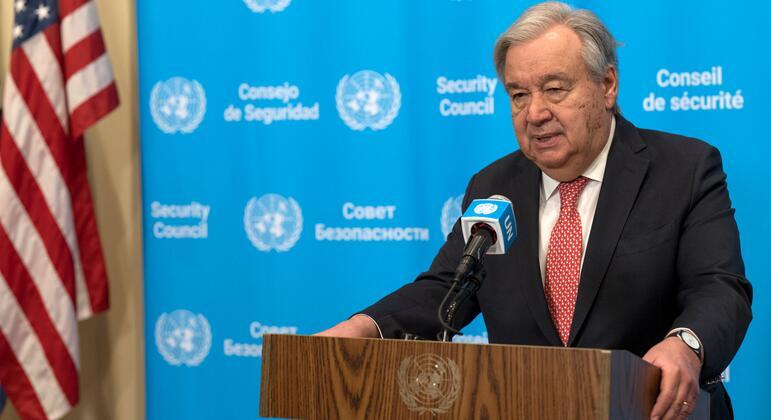
UN Secretary-General Welcomes US-Iran Talks Mediated by Pakistan Amid Fragile Ceasefire
13 sources compared

US and Iran Begin High-Stakes Peace Talks in Pakistan Amid Fragile Ceasefire
30 sources compared
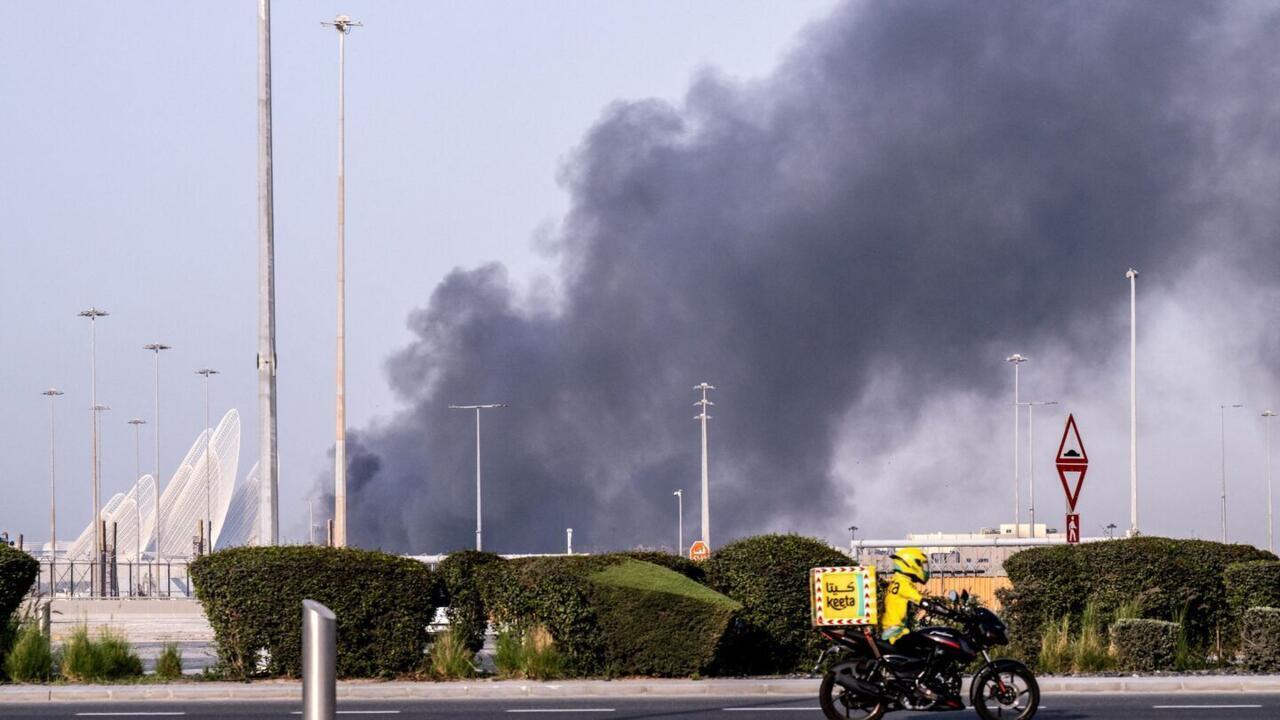
Qatar Shoots Down Two Iranian Su-24 Jets Amid Missile and Drone Attacks
10 sources compared
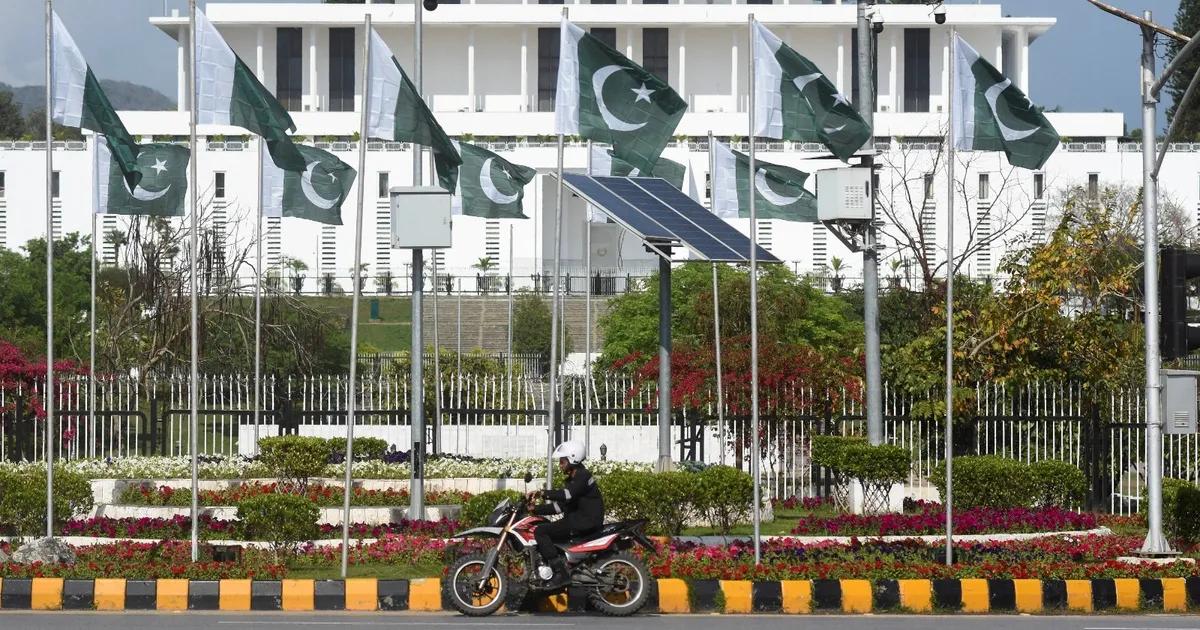
Iran Demands Ceasefire In Lebanon And Asset Release Before Pakistan Talks With US
24 sources compared