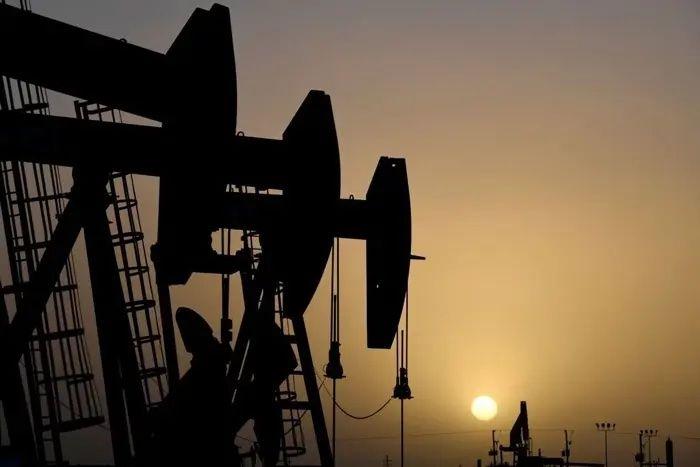
Iran Controls Strait of Hormuz, Imposes Illegal $2 Million Transit Fee
Key Takeaways
- Iran's hold on Hormuz is illegal and escalates a regional crisis.
- UN Security Council failed to adopt a navigation-protection resolution; Beijing vetoed.
- Regional actors, including UAE, press for action and navigation safeguards.
Strait of Hormuz Blockade
Iran has maintained de facto control over the Strait of Hormuz for over a month despite a fragile ceasefire.
“The strait carries approximately one-fifth of the world's oil and LNG New York: The UAE has expressed its deep disappointment at the UN Security Council’s failure to take decisive action to address the global repercussions caused by Iran’s illegal closure of the Strait of Hormuz, and failure to adopt a resolution put forward by Bahrain on behalf of the UAE, Kuwait, Qatar, Saudi Arabia, and Jordan to protect the freedom of navigation in the Strait”
Iran's Foreign Minister declared vessels must coordinate directly with Iranian armed forces, subject to technical limitations.

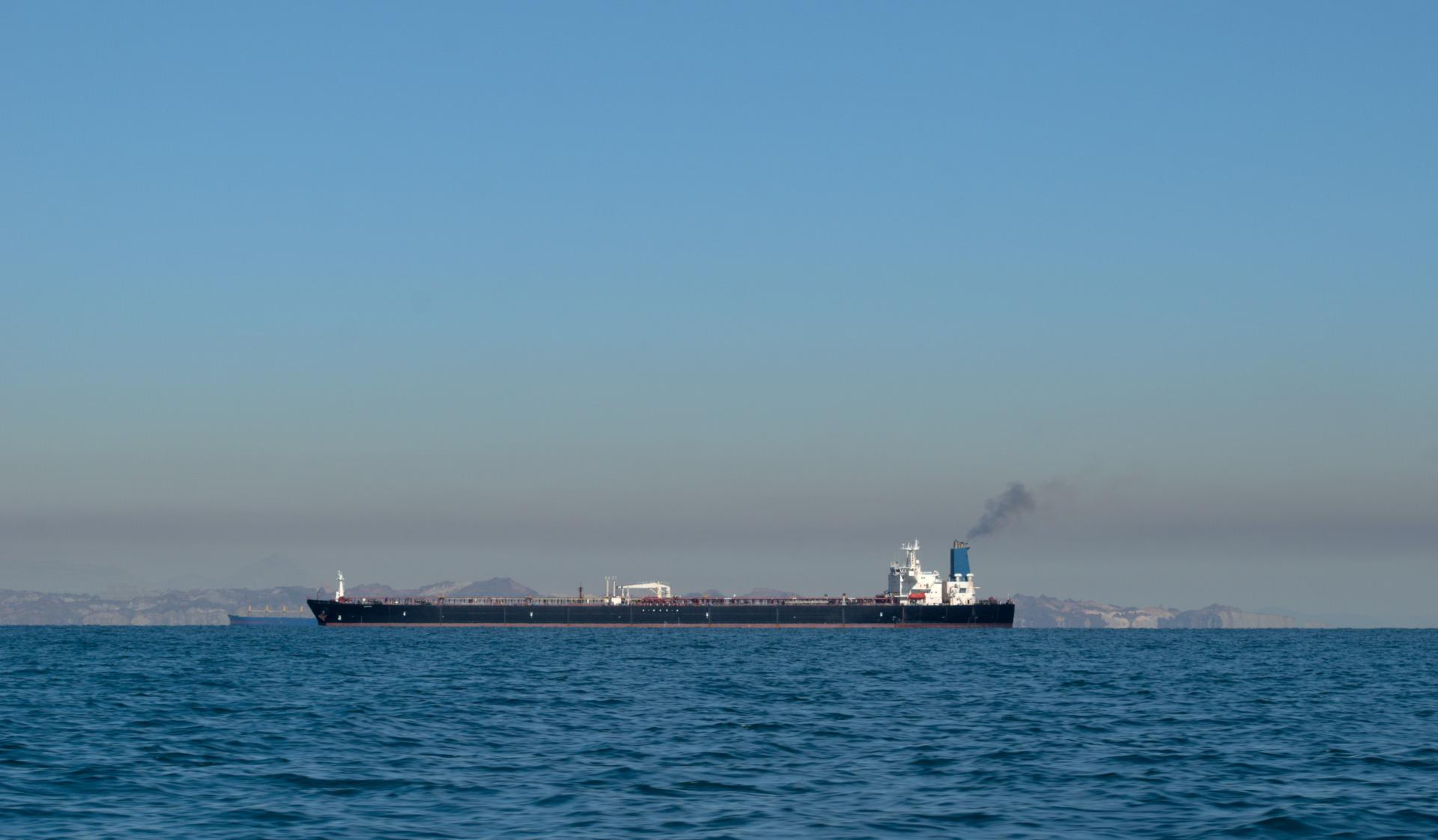
Iran has rerouted commercial shipping through Iranian territorial waters and imposed a $2 million transit fee.
The Gulf Cooperation Council confirmed the toll-collection regime is already operational.
Only six or fewer ships are now transiting daily.
The International Energy Agency described the blockade as more consequential than past disruptions combined.
UN Security Council Deadlock
The UN Security Council failed to adopt a resolution to protect freedom of navigation in the Strait of Hormuz.
Eleven members voted in favor, while China and Russia vetoed it.
The Chinese Permanent Representative argued the draft failed to offer a comprehensive and balanced approach.
Iran's permanent mission praised China and Russia's veto.
The UAE expressed deep disappointment.
The Security Council's impasse came despite broad international consensus.
Economic and Regional Impact
The Strait of Hormuz carries approximately one-fifth of the world's oil and LNG.
“Iran and the Strait of Hormuz: A look at the scene”
Its near-total closure has caused severe disruption to global energy markets.
Iran has carried out at least 21 direct attacks on commercial vessels, killing more than 10 crew members.
20,000 seafarers remain stranded on ships unable to safely transit.
The UAE continues to engage in intensive diplomatic outreach.
More on Iran
Trump Demands NATO Allies Commit to Securing Strait of Hormuz Within Days
12 sources compared
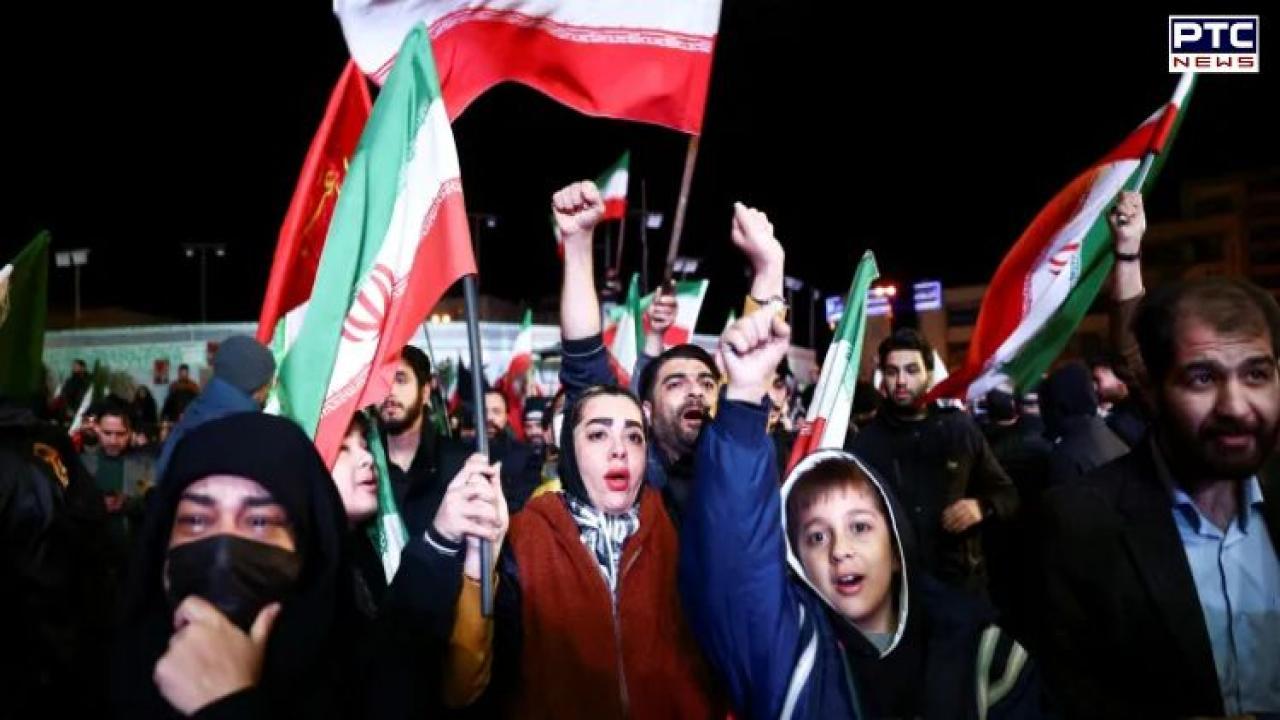
US And Iran Begin Peace Talks In Islamabad After Two-Week Ceasefire
20 sources compared
Iran Controls Strait of Hormuz, Keeps Shipping Traffic at Standstill Despite Ceasefire
17 sources compared

Iran and US Agree Two-Week Ceasefire but Strait of Hormuz Shipping Remains Halted
21 sources compared