Iran Cuts Off Internet Nationwide as Protests Demanding Regime Change Intensify.
Key Takeaways
- Nationwide internet shutdown amid protests across Iran.
- Protests spread across hundreds of cities nationwide.
- Protests intensified into a new wave; authorities warned of crackdown.
Nationwide Internet Shutdown
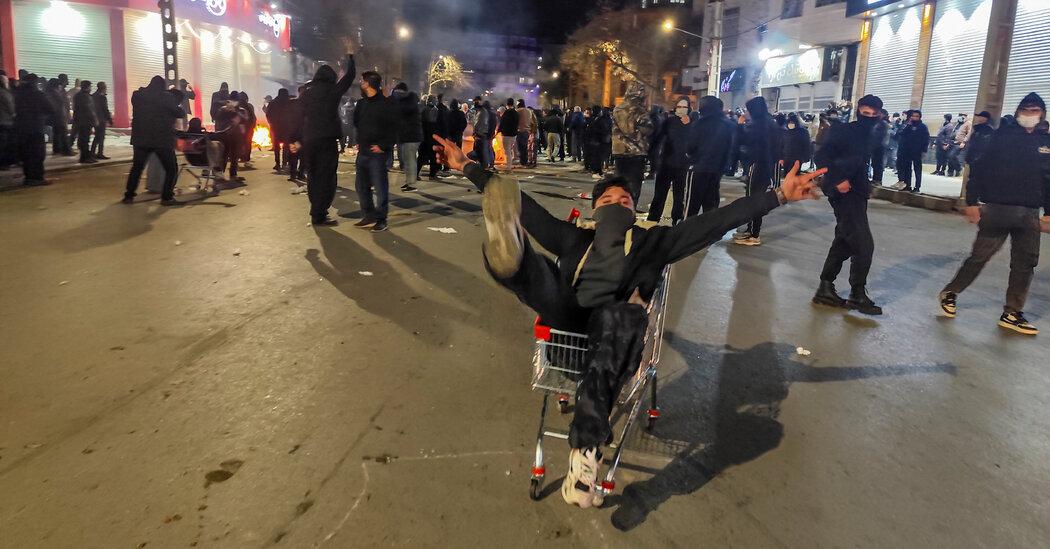
Iran imposed a nationwide internet blackout on Thursday as widespread protests demanding regime change intensified across multiple cities.
“Iran's new wave of protests prompts hospital raids, internet access cut Protests against the ruling regime began in Tehran on Dec”
According to witnesses interviewed by The New York Times, large crowds formed in neighborhoods across Tehran, Mashhad, Bushehr, Shiraz and Isfahan.

The protests featured powerful chants including 'Death to Khamenei' and 'freedom, freedom' that could be heard from several blocks away.
ABC News reported that internet and telephone access across Iran was cut as protesters answered calls to action from Reza Pahlavi.
Videos verified by The New York Times showed government buildings on fire across the country.
Thousands of protesters flooded areas like Kaj Square in the capital, according to verified footage.
Economic Triggers and Evolution
The current wave of protests was initially triggered by galloping inflation that has devastated the Iranian economy.
The rial's value has plummeted more than 800% since July 2016, declining from 34,000 rials against the U.S. dollar to approximately 1,500,000 rials as of the current week.
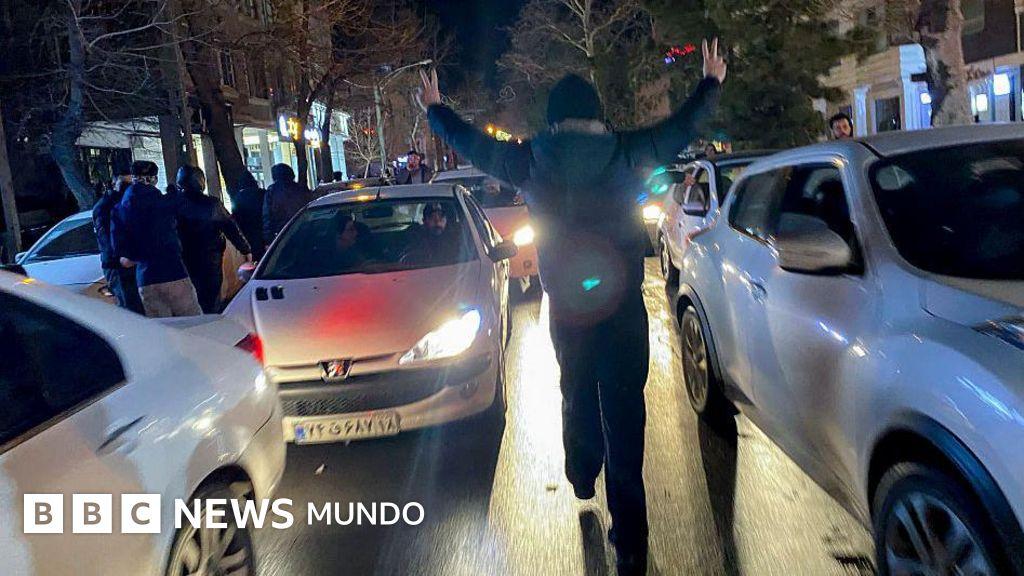
While economic grievances were the initial catalyst, the protests quickly evolved into a broader movement against the Islamic Republic regime.
Demonstrators employed slogans like 'death to dictator' and 'death to Khamenei' according to ABC News.
Political activist Abbas Abdi rejected the direct relationship between gasoline price increases and protests.
Abdi argued that 'The popular protest has other roots and is accumulating' and that 'the discontent grows and, sooner or later, it will find its own pretext to explode.'
Government Crackdown Measures
In response to the escalating protests, Iranian authorities implemented harsh measures including the nationwide internet shutdown.
“War in theMiddle East Advertisement Supported by As protests swelled around the country, Iran’s internet was shut down, and the heads of its judiciary and its security services warned of a harsh response amid calls for “freedom, freedom”
The internet shutdown came 'a day after the heads of Iran's judiciary and its security services said they would take tough measures against anyone protesting,' indicating a premeditated response strategy.
Security forces raided a hospital in Ilam, one of the protest epicenters, according to ABC News.
Eyewitnesses saw security forces taking away injured protesters and attempting to remove the bodies of victims killed in the protests.
The BBC documented how Iranian authorities have always been 'particularly sensitive to the presence of the population in public space and in the streets.'
While government-supporting rallies receive wide media coverage, when presence takes on protest character, 'the tone and attitude of the authorities change noticeably.'
International Condemnation
The Iranian government's response to the protests has drawn international condemnation.
Amnesty Iran condemned the attack on the hospital and said the regime must 'immediately stop the use of unlawful force against protesters.'
The U.S. State Department criticized the hospital attack, calling it 'a crime' and 'a blatant crime against humanity.'
The State Department declared that 'Hospitals are not battlefields' in response to the raid on wards and assault on medical staff.
Iranian officials have attempted to differentiate between 'protests of an economic nature and what they call destructive acts.'
Ali Larijani warned that 'foreign interference in this internal matter could trigger greater instability in the region.'
Government Propaganda Strategy
The Iranian government has employed sophisticated media and propaganda strategies to control the narrative surrounding the protests.
“The resurgence of street protests in Iran has not been a surprise”
Initial media coverage took 'specific precautions, such as deleting or minimizing slogans considered 'rupture-prone' against Ali Khamenei.'
Headlines like 'meeting with the protesters' and 'distinction of the protesters from abuses of enemies' were used to frame the narrative.
State television is presented as the 'first on-the-ground narrator' in coverage of economic news.
Officials have tried to differentiate between 'protests of an economic nature and what they call destructive acts.'
Government-friendly media increasingly call the protesters 'troublemakers,' indicating how the response may escalate.
More on Iran

Israel Says It Killed IRGC Navy Commander Alireza Tangsiri in Airstrike
18 sources compared

Pentagon orders 1,000 82nd Airborne troops to West Asia amid Kharg Island seizure talks
13 sources compared

U.S. Prepares to Deploy 1,000 82nd Airborne to West Asia to Seize Airfields
17 sources compared

Pentagon deploys 3,000 82nd Airborne troops to West Asia to backstop Iran war operations
14 sources compared