
Iran Demands End To Aggression, Compensation, And Recognition Of Hormuz Sovereignty
Key Takeaways
- Iran rejects the US 15-point cease-fire plan; no negotiations with the US now.
- US-Israel strikes continue; escalation signals and potential decisive action.
- Iran reiterates its conditions for ending the war.
Iran’s five-point counterproposal
New development: Iran’s official counterproposal to the U.S. 15-point plan marks a decisive shift.
“The war launched by the United States and Israel against Iran continues, even as efforts to reach a diplomatic solution increase and there are conflicting claims about possible negotiations”
Tehran rejected the American plan as “extremely maximalist and unreasonable” and laid out five concrete conditions to end the war: 1) the complete end of all aggression, 2) guarantees that attacks will not be repeated, 3) explicit compensation for damages caused by US-Israeli wars, 4) an end to the war across all fronts involving Lebanon and Iraq, and 5) recognition of Iranian sovereignty over the Strait of Hormuz.

Tehran also warned that a ceasefire without guarantees would be a vicious cycle that restarts hostilities, and insisted the war ends on Iran’s terms, not Washington’s timetable.
Escalation and force posture
Escalation and the regional calculus: The new Iranian counterproposal arrives against a backdrop of intensified U.S.-Israel strikes and a large military buildup in West Asia.
Al Jazeera reports CENTCOM confirms more than 50,000 U.S. troops in the region, including two aircraft carriers, about 200 combat aircraft, and thousands arriving forces such as the 82nd Airborne, indicating a sustained operational posture.

Iran frames the broader campaign as unlawful aggression, while Tehran says it will defend its sovereignty and security as the Strait of Hormuz becomes a focal point.
Mediation efforts and competing agendas
Mediation momentum vs. distrust: The diplomacy layer is thickening, with Islamabad offering to host negotiations and major powers urging talks.
Pakistan’s prime minister signaled readiness to host negotiations to halt the US-Israeli war with Iran, and China and France publicly urged Tehran to engage in good-faith talks.
Washington signals escalation options if mediation efforts fail, while Iranian officials insist that talks must respect Iran’s red lines, including Hormuz and regional autonomy.
Context, costs, and framing
Context, costs, and media framing: The evolving exchange underscores the asymmetry in power and the risk that Western framing will obscure the legal and strategic stakes.
Iran’s stance centers on sovereignty over Hormuz and a demand for compensation and non-repetition guarantees, while the civilian toll and energy-disruption underscore the stakes beyond rhetoric.

Observers note that the conflict’s course depends on translating Iran’s five conditions into verifiable terms and whether the U.S. and allies shift from pressure to negotiation.
Off-ramps and de-escalation prospects
Outlook and off-ramps: The juxtaposition of Iran’s five conditions with Washington’s ceasefire demands keeps de-escalation possible but fragile.
“Foreign Minister Abbas Araghchi asserts that Iran remains serious about the resolute defense of its national sovereignty amid continued unprovoked American-Israeli aggression”
A key test is whether Pakistani-led mediation can translate Tehran’s demands into an enforceable agreement addressing Hormuz and regional fronts.

Analysts describe a cycle of mutual suspicion; without a credible off-ramp, the conflict could endure beyond initial expectations.
More on Iran

Iran Allows 20 Pakistani-Flagged Ships Through Strait Of Hormuz
14 sources compared
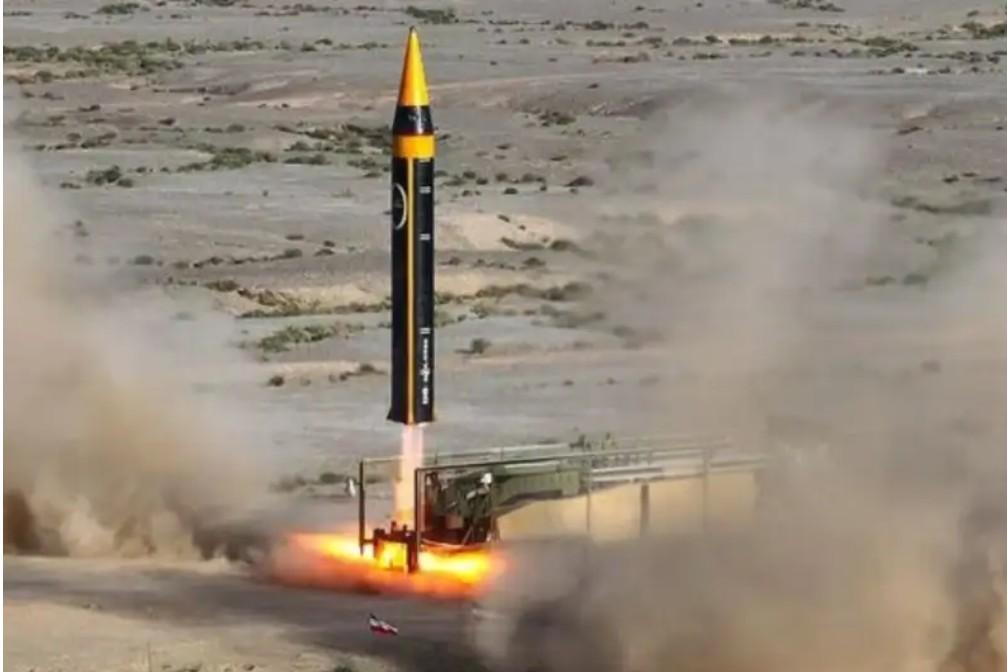
Houthis Formally Enter Iran-Israel War By Firing Missiles And Drones At Israel
16 sources compared
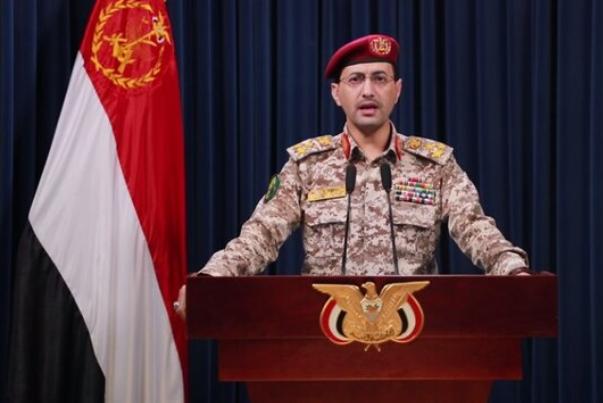
Houthis Launch First Missiles At Israel, Joining Iran War And Threatening Red Sea Routes
75 sources compared

Pentagon Plans Weeks-Long Ground Operations In Iran
21 sources compared