Iran Foreign Minister Seyed Abbas Araghchi Says US-Iran Deal Would Reopen Strait of Hormuz
Key Takeaways
- Iran says a US-Iran deal would reopen the Strait of Hormuz and lift sanctions.
- Pakistan says a final text of the peace deal has been reached; signals close agreement.
- Terms remain disputed or unclear, with contradictory reports about what was agreed.
Deal signals Hormuz reopening
A US-Iran deal to end fighting is close and includes reopening the Strait of Hormuz, Iran's Foreign Minister Seyed Abbas Araghchi said on state TV, while US officials confirmed some details and said economic benefits for Iran would depend on Tehran meeting its obligations.
The BBC reported that the war began with US and Israeli strikes across Iran on 28 February, and that despite an April ceasefire the US and Iran have exchanged intermittent fire, including two rounds of tit-for-tat strikes this week.

The BBC also said the agreement would lift a US blockade of Iran and would be followed by a 60-day period of negotiation focusing on Iran's enriched uranium, with officials saying the material would be destroyed on site and then removed from the country.
In a separate account, the Jerusalem Post said Araghchi told state TV that nuclear talks with the United States would only take place at a later stage and would not proceed unless a proposed interim deal was implemented, with the interim deal including reopening the Strait of Hormuz and ending conflicts on multiple fronts.
Optimism, but no final text
Pakistan's Prime Minister Shehbaz Sharif said a “final, agreed upon text” of a peace deal had been reached and that remaining “next steps” would soon be finalised, while UN spokesperson Stéphane Dujarric said the UN was encouraged by the general tone of what it was hearing.
Al Jazeera reported that Araghchi said a Memorandum of Understanding (MoU) with Washington had “never been closer,” but also said Iranian officials acknowledged that the “main body of the text” had been largely finalised while rejecting reports about when and where any deal could be signed.

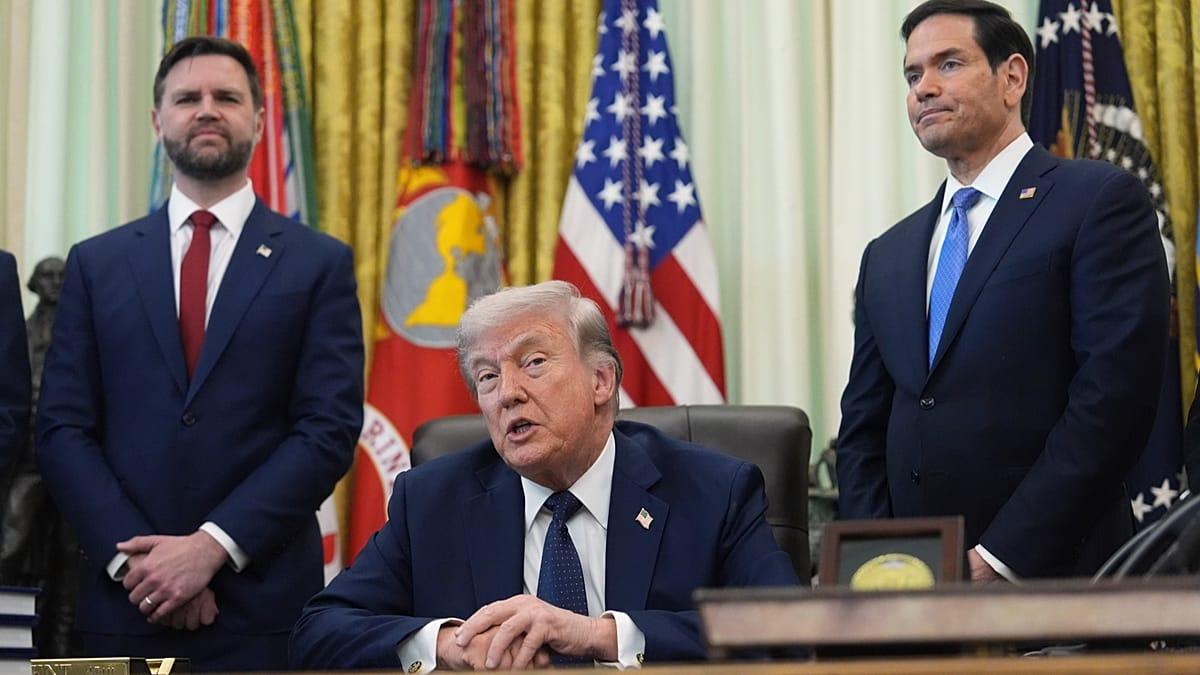
The BBC said US President Donald Trump claimed he had cancelled “scheduled attacks” against Iran because negotiators had “just made a great settlement,” and it added that Iranian media published details from an alleged 14-point deal that Trump said “bears no relation to the truth”.
In the same dispute over leaked terms, Al Jazeera quoted Trump condemning Iran after the reports, including his insistence that the leaked terms had “NOTHING to do with the terms that were agreed to in writing”.
What’s at stake next
The BBC said the deal would call on Iran to stop funding proxy groups in the region, and it quoted US officials emphasising that the MOU was based on “performance” rather than trust, with economic benefits tied to verifiable implementation.
The Jerusalem Post reported that a US official described the arrangement as a “performance-based deal” and said no money will be released until “they (Iran) perform,” while it also said Araghchi told state TV that “Our sword will always hang over the Strait of Hormuz.”
Al Jazeera said the negotiations were unfolding amid new tension after Trump condemned Iran following extensive reporting by Iranian media on the terms being discussed, and it described analyst Wolfgang Pusztai saying an unconditional reopening of the Strait of Hormuz would mark “a major step forward.”
Looking ahead, the BBC said the steps to reopen the Strait of Hormuz and lift the blockade would come into effect more or less immediately, followed by the 60-day negotiation period on enriched uranium, while it also said the deal rejected earlier Iranian news reports about unfrozen assets before substantial negotiations began.
More on USA
Tulsi Gabbard Says US Funded 120+ Biolabs in Ukraine and 30+ Countries
18 sources compared
White House Confidence Rises to 85% for US-Iran Agreement, Trump Says Not 100%
25 sources compared

Judge Leonie Brinkema Extends Block on Trump’s $1.8 Billion Anti-Weaponization Fund
16 sources compared
U.S. House Rejects Section 702 Extension, Setting Up Friday Surveillance Lapse
10 sources compared