
Iran Gains De Facto Control Over Strait of Hormuz Despite Ceasefire
Key Takeaways
- Iran gains de facto control over the Strait of Hormuz amid the ceasefire.
- Ceasefire grants Iran leverage over global energy markets and Gulf stability.
- Analysts say ceasefire strengthens Iran's regional leverage.
Ceasefire in Doubt
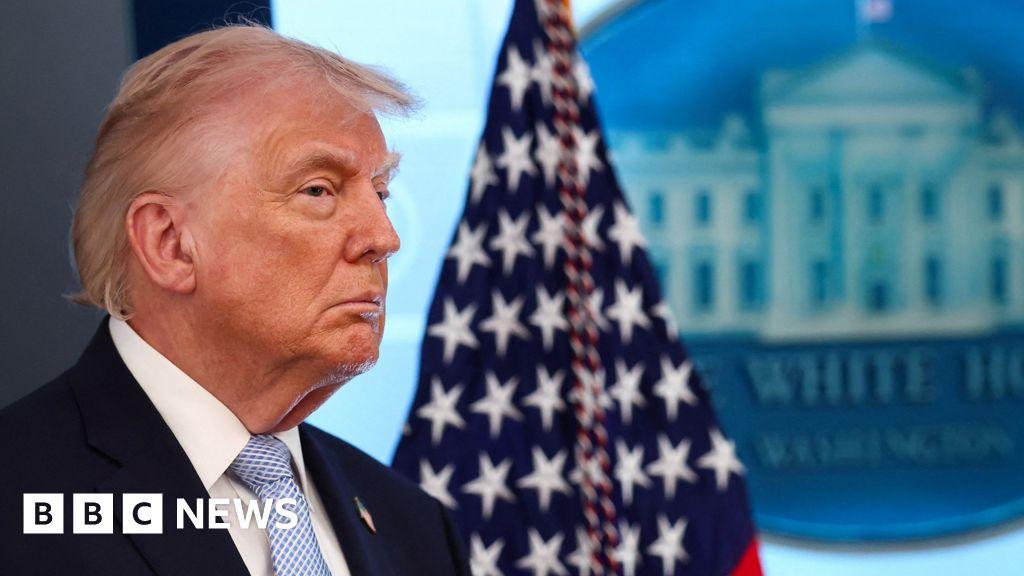
A two-week ceasefire was announced just hours before Trump threatened to obliterate Iranian civilisation.
“Iran and the United States have both claimed victory in their conflict as they both accepted a two-week ceasefire just before US President Donald Trump’s apocalyptic deadline to obliterate Iranian “civilisation” if Tehran did not agree to a deal”
The agreement was contingent on Iran reopening the Strait of Hormuz, which had been blockaded for more than six weeks.

Middle East scholar Fawaz Gerges called the war Trump's grave strategic miscalculation.
Despite the ceasefire, regional fighting continued and the peace lasted less than 24 hours.
Iran's De Facto Control of Hormuz
The Strait of Hormuz emerged as the centerpiece of the ceasefire's terms.
Iran had effectively controlled the Strait for six weeks, selectively deciding on passage.
The ceasefire transforms Iran's disruptive power into structured control.
Power Shift and Regional Implications
The ceasefire locked in a harsh reality: Iran emerged with enhanced leverage.
“Quick Summary A two-week ceasefire ends nearly six weeks of conflict as Trump claims victory”
Iran's ability to rapidly appoint replacements pointed to institutional resilience.
An analysis concluded Iran may have emerged not weakened but strengthened.
Diplomatic Path Forward
The ceasefire was part of a broader two-stage framework.
Iran's ten-point plan served as a starting framework for negotiations.
The fragility of the ceasefire was underscored by renewed violence less than 24 hours later.
More on Iran

Trump Declares "Productive Regime Change" In Iran, Maps Path for Removals and Trade
13 sources compared
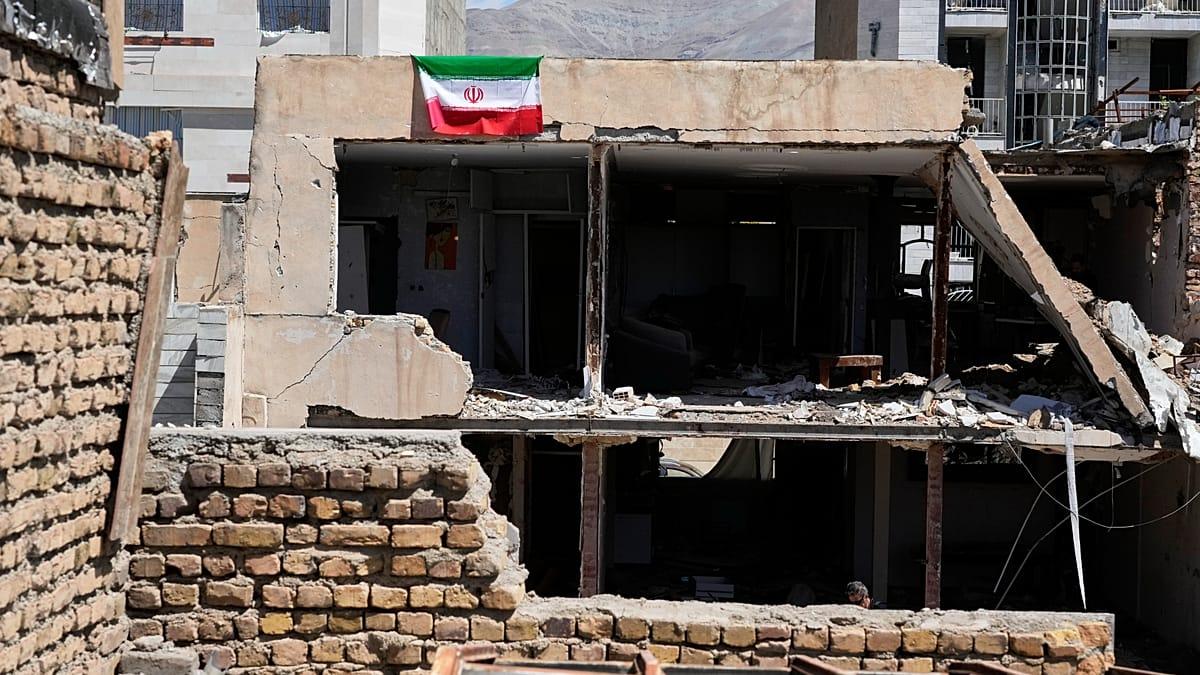
US and Iran Agree to Two-Week Ceasefire and Strait of Hormuz Reopening
11 sources compared
Iran's Supreme National Security Council Lays Out 10-Point Plan Demanding US Withdrawal, Strait Control, Sanctions Lift
12 sources compared
US and Iran Agree to Pakistan-Mediated Two-Week Ceasefire
16 sources compared