Crypto08 April, 20261 min read
Iran Imposes $2 Million Strait of Hormuz Toll Payable in Bitcoin
This article is an automated aggregation of coverage from news outlets. Our editorials offer in-depth analysis curated by the NewsCord team.
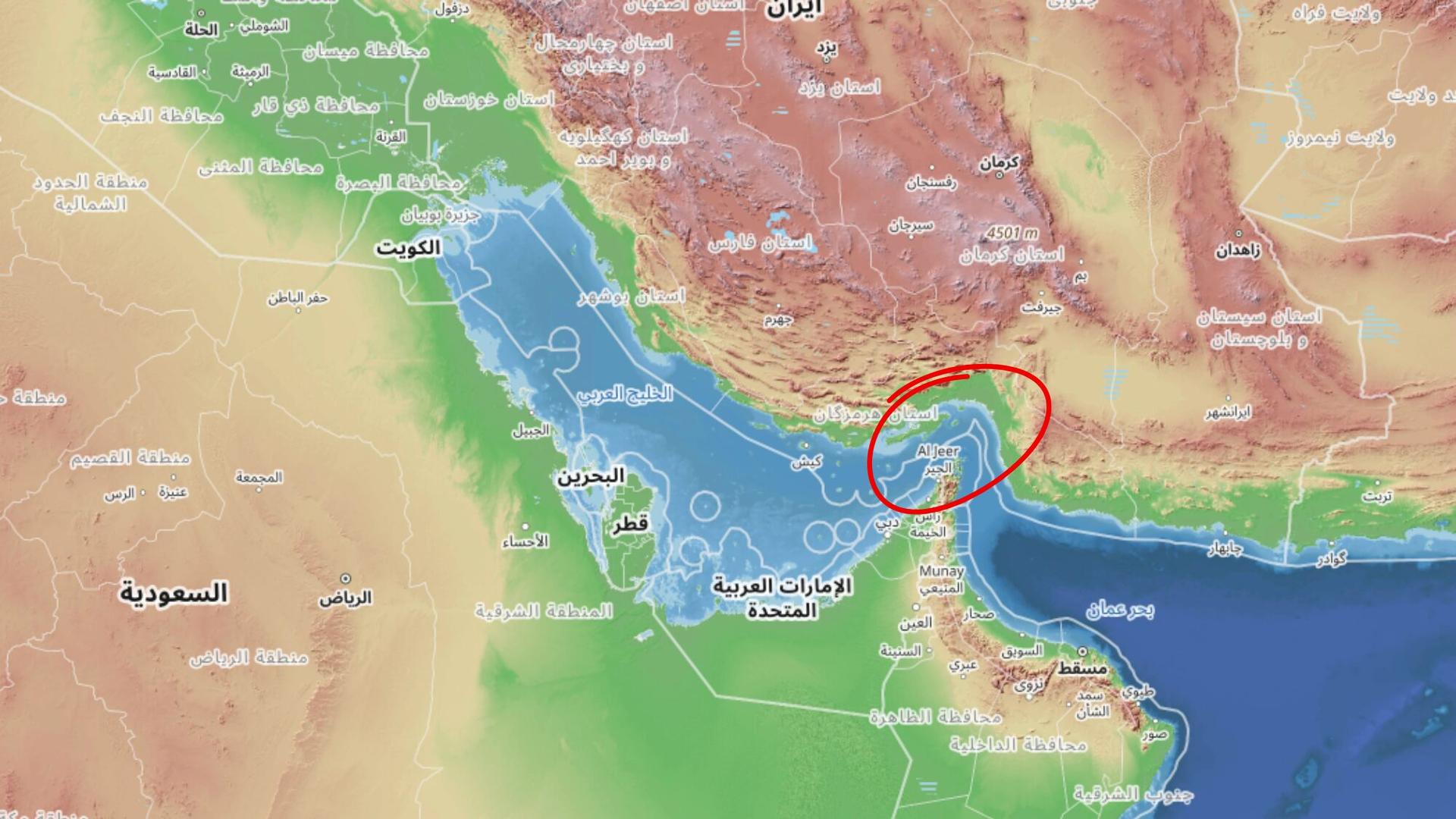
Iran plans to charge crypto tolls for Hormuz transit during a two-week ceasefire Toll up to $2 million per ship to be paid in Bitcoin or crypto
Crypto Toll Unveiled
Iran announced it will impose transit tolls on oil tankers during a two-week ceasefire with the United States. Payments are required in cryptocurrency including bitcoin or alternatives like Chinese yuan. Vessels must email cargo details, undergo an assessment, and then pay within seconds in bitcoin.
Fully loaded supertankers could face fees approaching $2 million. Bitcoin transactions are traceable and normally take minutes to settle despite official claims payments will clear within seconds.

Control and Enforcement
Iran’s plan requires strict scrutiny of vessels with warnings they could be destroyed if they transit without permission. The procedure will take time for each vessel and Iran is not in a rush. Traffic through the strait remained slow even after the ceasefire.
The $1 per barrel toll translates into steep fees for supertankers. Bitcoin has underperformed gold since the conflict began.

Market and Sanctions Implications
Bitcoin initially rallied following the ceasefire announcement and news of the crypto toll before retracing. Iran’s use of crypto to bypass dollar-based financial channels emphasizes expanding real-world use cases. Bitcoin offers resistance to seizure unlike many stablecoins.
Chainalysis estimated Iranian-linked on-chain crypto activity reached $7.8 billion in 2025. The toll system represents a fusion of geopolitics, energy markets, and financial technologies.