Iran Imposes Bitcoin Toll on Oil Tankers Passing Through Strait of Hormuz
Key Takeaways
- Iran proposes toll on Hormuz transit paid in cryptocurrency for fully loaded tankers during ceasefire.
- Reported toll figures vary, from $1 per barrel to approximately $2 million per ship.
- Trump warned Iran to stop charging tolls if crypto fees are imposed.
Iran's Crypto Toll
Iran has begun imposing a cryptocurrency-based transit fee on oil tankers passing through the Strait of Hormuz during a two-week ceasefire with the United States.
Fully loaded vessels must email cargo details to Iranian authorities, who will levy a toll of about $1 per barrel and instruct crews on how to settle the fee in digital assets such as bitcoin.

Hosseini explained: Once the email arrives and Iran completes its assessment, vessels are given a few seconds to pay in Bitcoin.
The toll means a fully loaded supertanker could face charges approaching $2 million.
Trump warned Iran: They better not be and, if they are, they better stop now!
Legal and Operational Challenges
The imposition of tolls by Iran raises significant legal questions under international maritime law.
The United Nations Convention on the Law of the Sea guarantees innocent passage through international waterways.
.png&w=3840&q=75)
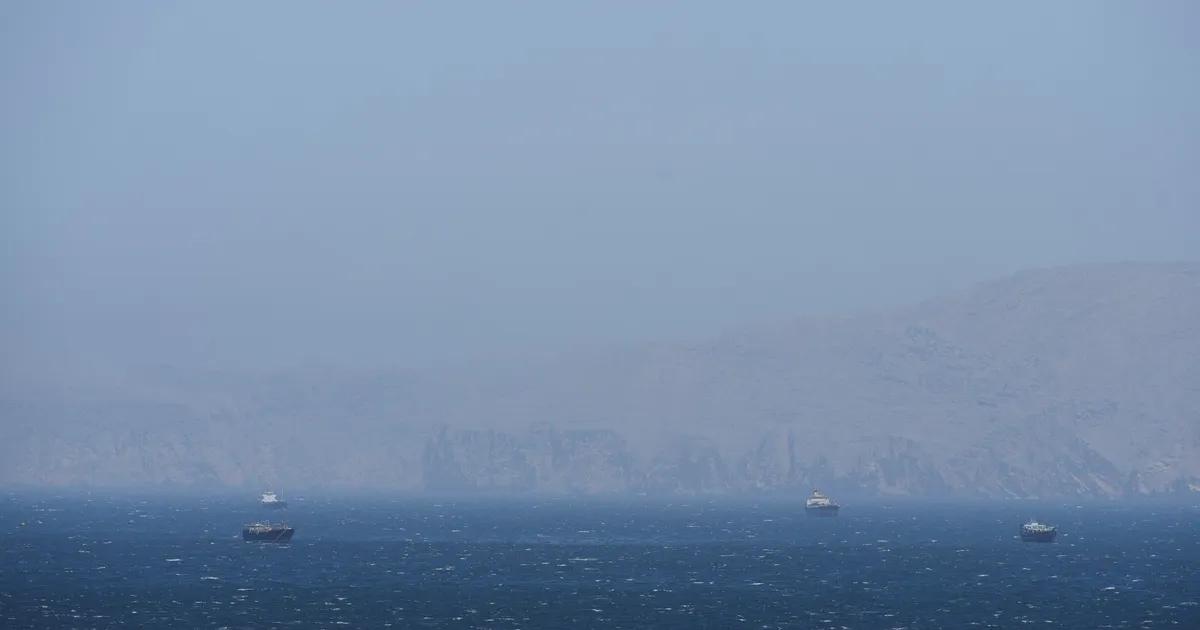
The Strait of Hormuz is one of the world's most critical maritime chokepoints, with around 20 million barrels of oil moving through it daily.
Only six or fewer ships are now transiting daily, compared to pre-war levels of 100 to 120 vessels per day.
The International Energy Agency described the blockade as more consequential than the disruptions of 1973, 1979, and 2022 combined.
Geopolitical and Economic Impact
Iran's toll collection and control over the Strait of Hormuz have profound geopolitical and economic consequences.
More than 800 freighters are stranded inside the Persian Gulf.
Crude oil prices jumped back up to around $100 per barrel after the toll reports.
The disruption has cascaded beyond energy markets to fertilizer, food, aluminum, and helium.
The Gulf Cooperation Council has confirmed the toll regime is operational in flagrant violation of the law of the sea.
International Reactions
The international community has reacted with alarm and condemnation.
Trump warned Iran that tolls would jeopardize the ceasefire and peace talks.
The Gulf Cooperation Council confirmed the toll regime is operational in flagrant violation of the law of the sea.
The United Nations Security Council rejected a resolution aimed at compelling Iran to open the Strait.
Russia and China vetoed the Security Council Resolution.
More on Iran
Iran Threatens To Close Bab El-Mandeb Strait Through Houthi Control
51 sources compared

Iran Accuses US of Violating Ceasefire Over Lebanon Amid Israeli Strikes
18 sources compared

Iran Controls Strait of Hormuz, Restricts Shipping Despite US Ceasefire Agreement
246 sources compared

Pakistan Brokers Two-Week Ceasefire As US And Iran Hold Historic Talks
50 sources compared