
Iran Imposes Bitcoin Toll on Oil Tankers Passing Through Strait of Hormuz
Key Takeaways
- Iran to charge $1 per barrel crypto toll for Hormuz transit during two-week ceasefire.
- Payments would be in cryptocurrency, notably Bitcoin, with toll up to $2 million per vessel.
- Iran uses cryptocurrency as a sovereign toll mechanism at Hormuz during two-week ceasefire, bypassing sanctions.
Iran's Crypto Toll
Iran has begun imposing a transit fee on oil tankers passing through the Strait of Hormuz at roughly one dollar per barrel, payable in cryptocurrencies including Bitcoin, USDT, and sometimes Chinese yuan.
“International reports revealed that Iran has begun imposing a transit fee on oil tankers passing through the Strait of Hormuz at one dollar per barrel, payable in cryptocurrencies, in a move that reflects Tehran's increasing reliance on crypto assets to circumvent financial restrictions tied to international sanctions, especially those imposed by the United States”
The toll system was codified by Iran's parliament in the Strait of Hormuz Management Plan approved March 30–31, 2026.
Vessels must email cargo details to Iranian authorities, who assess the vessel and then instruct crews to settle in digital assets within seconds.
The Islamic Revolutionary Guard Corps has been escorting approved ships and threatening others.
The move reflects Tehran's increasing reliance on crypto assets to circumvent financial restrictions tied to international sanctions.
The crypto economy in Iran is estimated at about $7.8 billion.
Global Pushback
Germany has publicly stated that transit through the Strait of Hormuz must remain toll-free, emphasizing this as a requirement under international maritime law.
The UK has also called for toll-free passage.
.png&w=3840&q=75)
The White House said the ceasefire requires the strait to be open without limitation, including tolls.
Iran's move is unilateral and not a joint US-Iran policy.
Shipping activity remains severely disrupted, with 300 to 400 vessels waiting to depart the Gulf.
The strait was effectively disrupted during recent US-Iran/Israel tensions.
Operational Challenges
Implementing a crypto-based transit fee system faces practical challenges including difficulty of executing large payments in a short time.
Analysts question how feasible large scale crypto payments really are.
The IRGC has routed approximately $1 billion through offshore stablecoin infrastructure prior to the toll system.
The toll system applies a five-tier nationality ranking.
Ships linked to the US or Israel are denied transit entirely.
After payment, vessels receive an IRGC Navy escort through a northern corridor around Larak Island.
Crypto as a Sanctions Workaround
Iran's choice to accept crypto for Hormuz toll collection is not a departure from the IRGC's established financial playbook.
Crypto transactions can be settled quickly and without touching the US correspondent banking system.
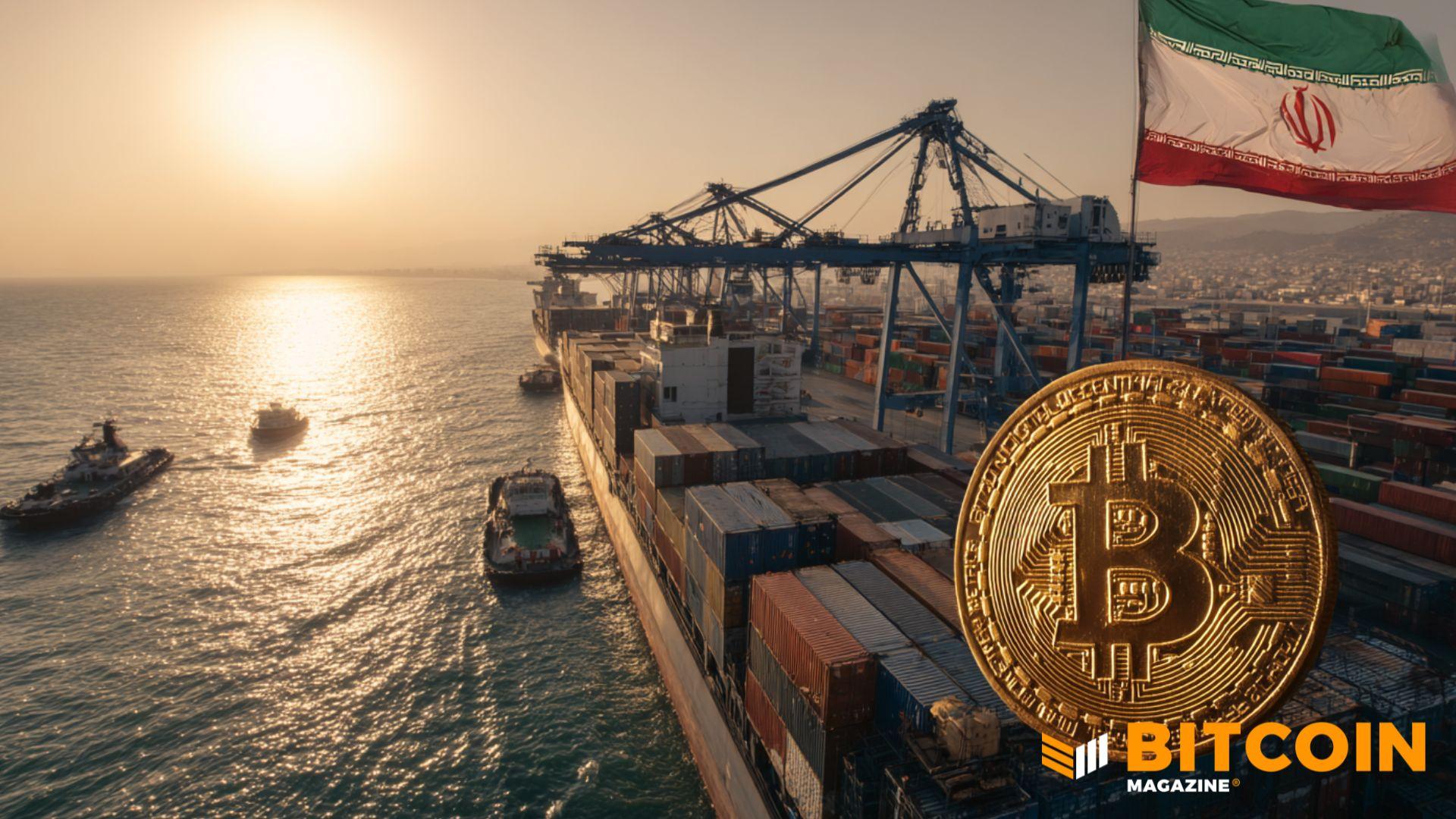
The Central Bank of Iran holds no less than $507 million worth of Ether.
Withdrawals from local platforms rose sharply amid rising military tensions.
This step comes in a broader context reflecting the expansion of cryptocurrency use in sanctioned countries.
More on Iran

Israel Kills Over 1,700 in Lebanon Airstrikes Amid U.S.-Iran Ceasefire Collapse
24 sources compared
Trump Demands NATO Allies Commit to Securing Strait of Hormuz Within Days
12 sources compared
Iran Controls Strait of Hormuz, Keeps Shipping Traffic at Standstill Despite Ceasefire
17 sources compared

US-Iran Ceasefire Ends 40 Days of War Amid Regional Power Shifts
33 sources compared