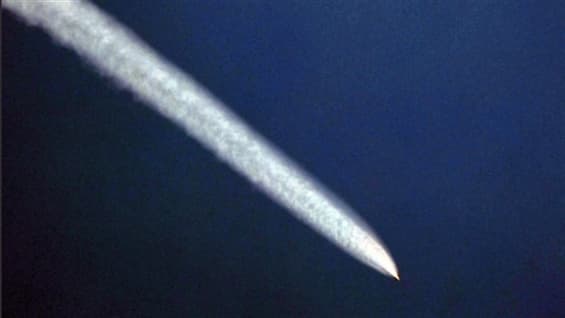
Iran Intensifies Attacks on Gulf Energy Facilities After Israeli Gas Field Strike
Key Takeaways
- Iran retaliates for Israel's South Pars strike by striking Gulf energy facilities, including Ras Laffan LNG hub.
- Oil and LNG prices surge; energy supply risks rise across the Gulf.
- Trump threatens to blow up Iran's largest gas field if Qatar is attacked again.
Gas Field Strike
Iran escalated its military campaign against Gulf energy facilities following an Israeli strike on the South Pars gas field, the world's largest natural gas reservoir shared with Qatar.
The Israeli attack targeted facilities linked to South Pars and the onshore hub at Asaluyeh in Bushehr Province, marking the first direct assault on Iran's upstream production since the conflict began.
Tehran responded swiftly, announcing that five facilities across Saudi Arabia, the UAE, and Qatar would be targeted as 'direct and legitimate targets' in retaliation.
Iranian authorities condemned the strike as a dangerous escalation that directly threatens the country's energy security, noting that South Pars supplies around 70 percent of Iran's domestic natural gas and is critical for electricity generation, household heating, and cooking across the Islamic Republic.
Gulf Infrastructure Attacks
Iran launched widespread missile and drone attacks targeting critical energy infrastructure across multiple Gulf states, with Qatar's Ras Laffan Industrial City suffering the most extensive damage.
The world's largest liquefied natural gas (LNG) hub was struck by five ballistic missiles, with four intercepted by Qatari and US air defenses but one causing significant fires and structural damage to LNG processing trains and the adjacent Pearl GTL plant.
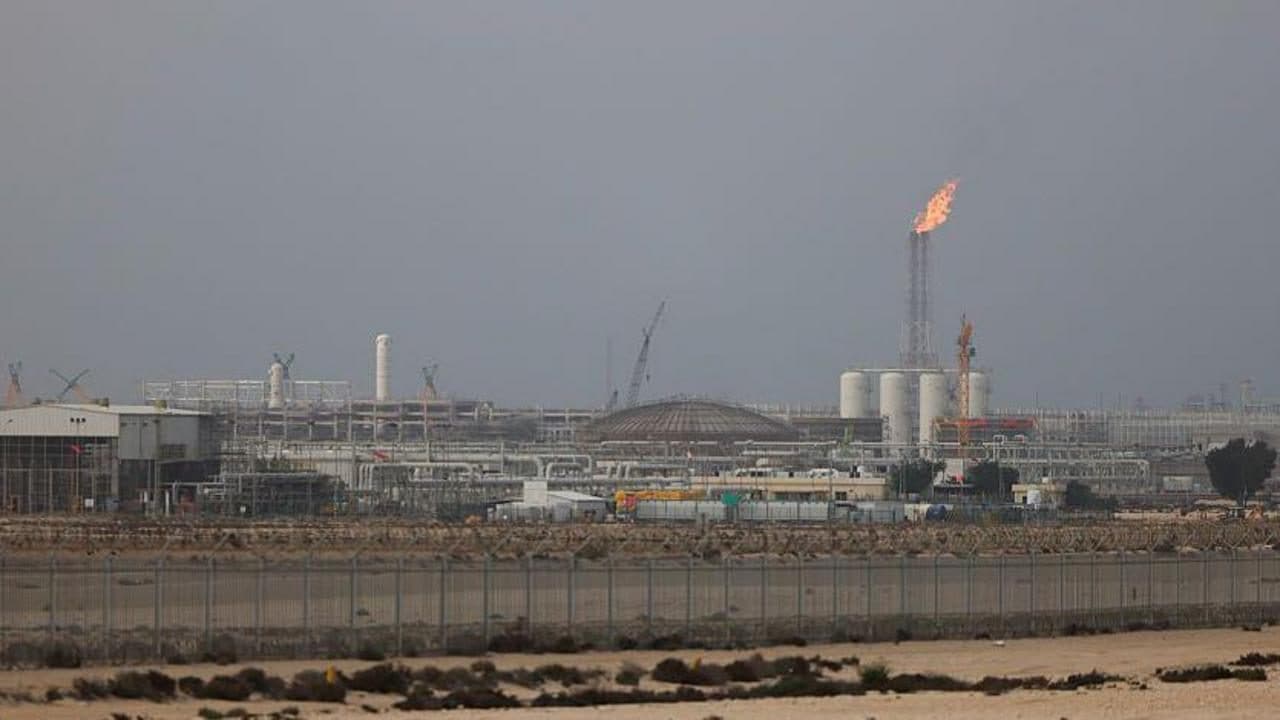
QatarEnergy declared a state of emergency and invoked force majeure on contracted deliveries, while Saudi Arabia reported intercepting four ballistic missiles targeting Riyadh and defending against drone attacks on the SAMREF refinery in Yanbu.
Kuwait also sustained damage to major oil refineries including Mina Al-Ahmadi and Mina Abdullah, while the UAE shut down operations at its Habshan gas facility and Bab field following overnight attacks that authorities called a 'dangerous escalation.'
Market Impact
The attacks on Gulf energy infrastructure triggered immediate and severe reactions in global energy markets, with oil and natural gas prices soaring to multi-year highs.
“Israel struck the Aseluye oil refinery on the coast of the Persian Gulf in southern Iran, as well as refineries linked to the South Pars natural gas field, heightening supply concern in the region”
Brent crude prices jumped approximately 10% to over $111 per barrel, while U.S. crude futures rose above $97 per barrel and natural gas prices increased by 3% in early trading.
European natural gas futures surged 35%, reaching nearly 68 euros per MWh compared to the previous narrow band of 50-52 euros.
Analysts warned that Brent crude could average $150 per barrel over six months if the conflict continues, with investment bank Citi predicting potential prices reaching $200 per barrel if strikes persist.
The disruption affected at least 85 countries reporting fuel price rises, including Cambodia (+68%), Vietnam (+50%), and Canada (+28%), while Japan experienced record-high gasoline prices as the nation's Nikkei stock index fell over 3% and South Korean equities dropped 2.8%.
Humanitarian Impact
The intensified conflict has resulted in significant casualties and widespread humanitarian displacement across the region.
In Lebanon, Israeli airstrikes have displaced more than 1 million people—roughly 20% of the country's population—with the Lebanese government reporting over 900 fatalities.

In central Beirut, Israel flattened an apartment building used by Hezbollah, killing at least ten people in some of the most intense airstrikes on the Lebanese capital in decades.
Iran has suffered over 1,300 casualties since the conflict began on February 28, including the deaths of key officials like intelligence minister Esmail Khatib and security chief Ali Larijani.
In Israel, Iranian missile attacks have killed at least 15 people, including four civilians in the occupied West Bank.
Iranian attacks have also caused injuries in multiple locations, with cluster munitions creating particularly dangerous situations as debris and bomblets fell in several areas including Tel Aviv, where an elderly man was lightly injured and a Thai agricultural worker was killed.
Diplomatic Responses
The conflict has prompted strong diplomatic responses and heightened tensions among regional and international actors.
“The strikes come after Israel killed Iran’s intelligence minister and reportedly attacked the world’s largest natural gas field in Iran as the war escalated pressure on the region’s economic lifeblood: energy”
Gulf Arab states condemned the attacks as dangerous escalations that threaten global energy security, with Qatar calling Israel's strike on South Pars 'dangerous and irresponsible' and the UAE offering rare rebukes labeling the attack a 'serious escalation.'

Saudi Foreign Minister Prince Faisal bin Farhan warned that 'what little trust there was has been completely shattered,' indicating that Gulf countries considering active military involvement against Iran should not be dismissed.
French President Emmanuel Macron called for a moratorium on civilian infrastructure strikes and warned of a 'reckless escalation' that could have 'much more lasting impact' if Middle Eastern energy production capacities are destroyed.
Meanwhile, U.S. President Trump distanced Washington from the Israeli strike, claiming the United States 'knew nothing about' the attack on South Pars and threatening to 'massively blow up the entirety' of the gas field if Iran attacks Qatari facilities again, despite reports that Trump was notified in advance of the Israeli operation.
Strategic Escalation
The escalation represents a critical turning point in the Iran-US-Israel conflict, shifting from primarily military targets to economic warfare through energy infrastructure attacks.
The missile attack on Qatar's gas facility marks a significant escalation where 'energy itself has become a battlefield,' with both sides deliberately targeting economic systems rather than just military installations.
The conflict has expanded geographically from Iran to Israel, back to Iran's energy infrastructure, and now to Gulf Arab states, making a diplomatic resolution increasingly difficult.
Regional analysts note that Iran's strategy of attacking Gulf energy infrastructure aims to put maximum economic pressure on the U.S. and Israel to end the war quickly, while Gulf states face a difficult dilemma between continuing diplomatic efforts and potentially taking offensive military action.
The attacks have also severely disrupted the Strait of Hormuz—through which 20% of global oil flows—creating fears of long-term supply limitations and potentially triggering a global energy crisis that could last for years.
More on Iran

Israel Attacks Iran's South Pars Gas Field, Escalating Iran-Israel War
12 sources compared

Iran Attacks Gulf Oil and Gas Sites, Sending Prices Higher
20 sources compared
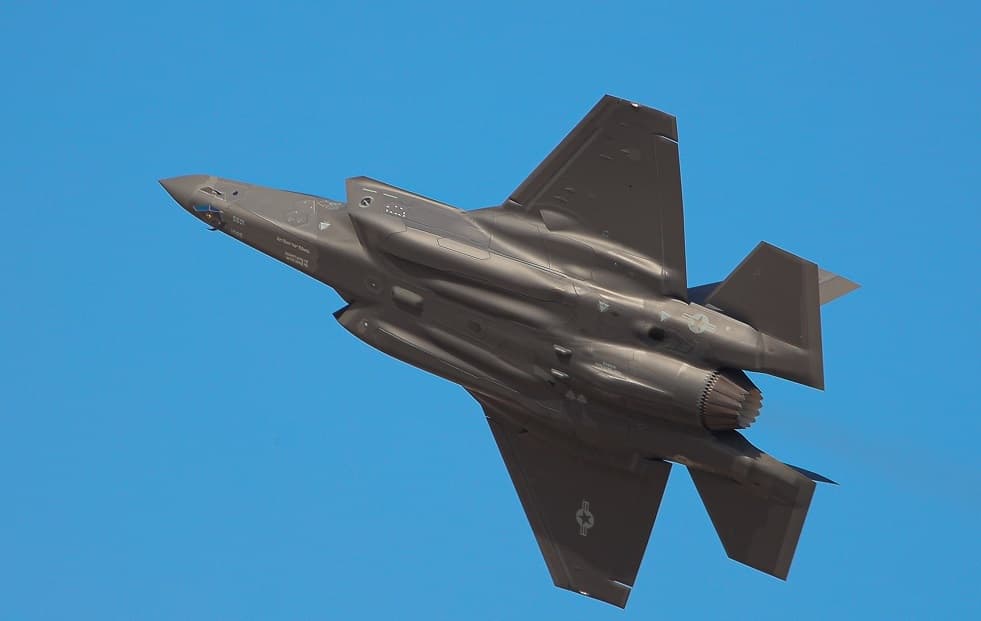
Iran Strikes US F-35, Forcing Emergency Landing
20 sources compared

Trump Threatens to Blow Up Iran's Pars Sul Gas Field as Energy Prices Surge
81 sources compared