
Iran Launches Missiles at Bahrain, Jordan, and Kuwait After U.S. Strikes
Key Takeaways
- Iran will not hesitate to exercise its inherent right to self-defense.
- Iran launched missiles at Kuwaiti bases hosting U.S. forces.
- Iran condemns aggression as clear violation of sovereignty.
Missiles and airstrikes
Iran launched a barrage of missiles at Bahrain, Jordan and Kuwait early Thursday after American forces carried out a second round of airstrikes in response to Tehran’s “unwarranted and continued aggression.”
“Iranian military warns of ‘crushing’ response to any US aggression Khatam al-Anbiya say Iran's armed forces prepared to respond ‘firmly and decisively’ Tarek Chouiref 11 June 2026•Update: 11 June 2026 Iran’s military headquarters Khatam al-Anbiya warned early Thursday that the country’s armed forces were prepared to deliver a “crushing and decisive” response to any US aggression in the region”
The New York Post said all three Gulf nations are hosts to US military forces and that the strikes were targeted but “were uninjured,” while Jordan said it intercepted 20 Iranian missiles fired toward an area home to a base hosting US troops.
In the same escalation, the New York Post reported that US Central Command successfully defended against the attacks, preventing the Iranian strikes from hitting the US bases, and that explosions could be heard around Tehran and the port city of Bandar Abbas.
The BBC described the broader exchange as Trump saying the US will hit Iran “hard” again today, after the two sides exchanged strikes overnight.
The BBC also said US Central Command began launching strikes at 17:15 Eastern Time (22:15 BST) against “multiple targets” in Iran in response to Iran’s “unwarranted and continued aggression.”
Threats and counterclaims
Iran’s deputy foreign minister Kazem Gharibabadi rejected the US framing of the attacks as self-defense and said the strikes were “clear aggression against sovereignty, territorial integrity, political independence and national security.”
Gharibabadi said Iran’s armed forces would defend the country and that the consequences of what he called illegal and dangerous actions would fall on the United States and any party involved in or assisting them.
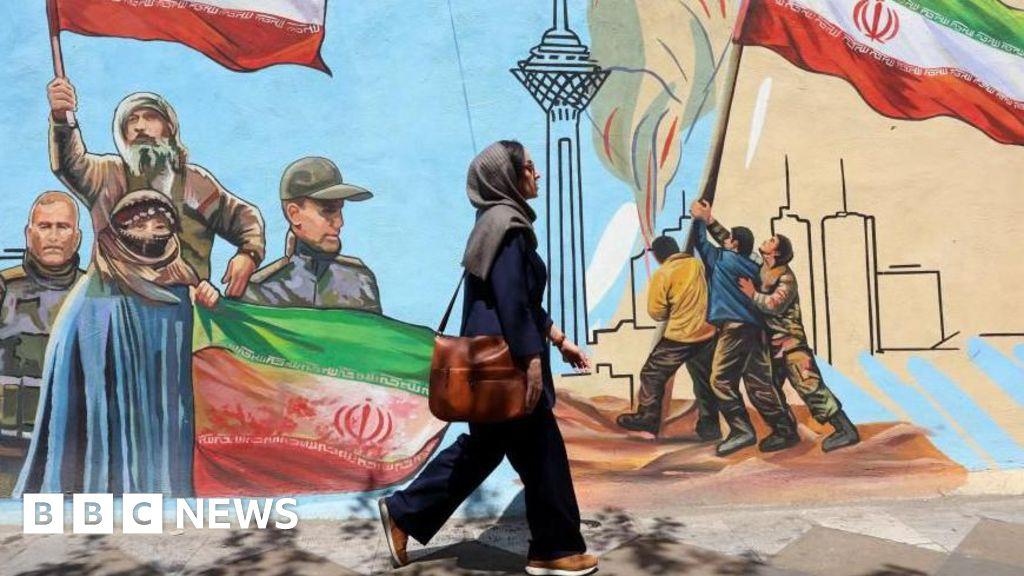
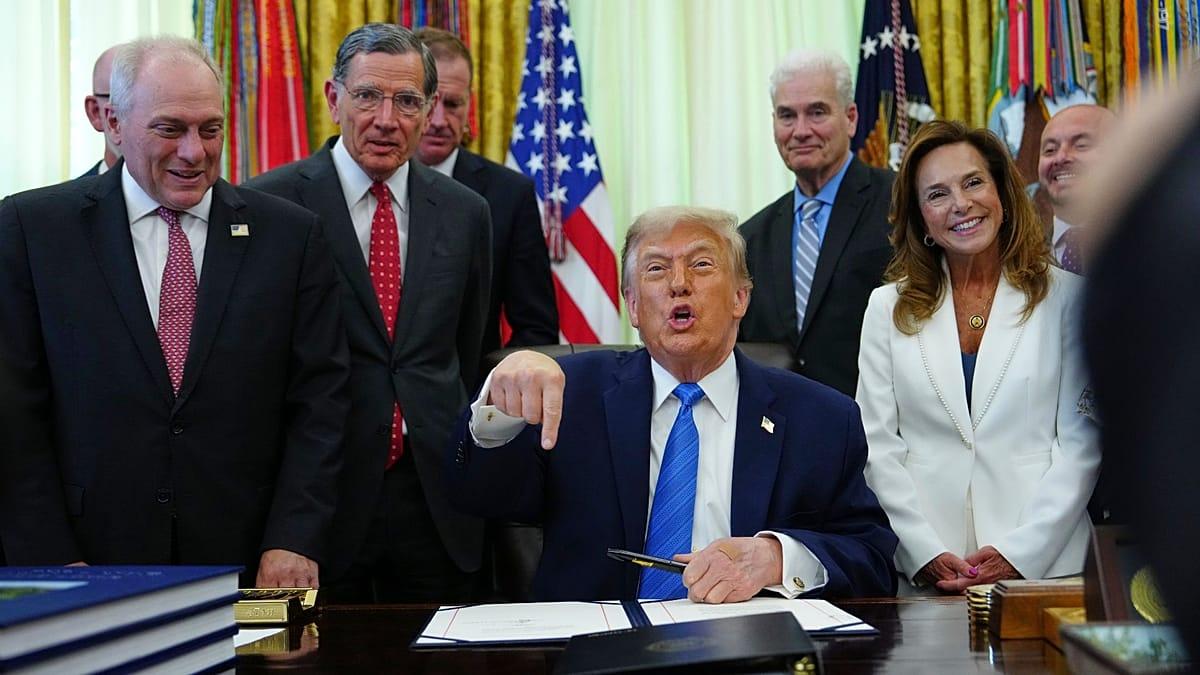
The BBC quoted President Donald Trump saying, “We hit them hard yesterday and we're going to hit them hard again today,” as he reiterated a call for Iran to “sign a deal.”
The New York Post reported that Trump claimed Iranian officials had directly asked him to stop the bombing while he was monitoring the operation in the White House Situation Room and vowed to “bomb the s— out of them tomorrow night” if Tehran did not agree to a US peace proposal.
In parallel, the New York Post said Iran’s paramilitary Revolutionary Guard later said sites hit included a manufacturing complex, a military barracks and a local Guard base outside of Tehran.
Ceasefire strain and risks
The BBC said Iran’s foreign ministry spokesman Esmaeil Baqai accused the US of “damaging this diplomatic process through the contradictory messages it sends” and through “repeated violations of the ceasefire.”
“Kuwait temporarily closed its airspace Thursday due to "Iranian aggressions" as it intercepted "hostile aerial targets," following U”
The New York Post reported that the ceasefire had been in effect since April 8 and that Trump described it to Yingst Wednesday night as “the most violated cease-fire in the history of the world.”
Beyond the immediate exchanges, ایـران اینترنشنال reported that Iran’s parliament research arm warned the country’s power grid could face a 13,640-megawatt summer peak deficit, about 17% of projected demand.
That same report projected maximum simultaneous supply at about 68,420 megawatts and peak network demand expected to exceed 81,000 megawatts, leaving a shortfall amounting to nearly one-fifth of available supply at greatest pressure.
The BBC also said the US is blockading Iranian ports after the key Strait of Hormuz shipping route was effectively closed by Iran in response to the US and Israeli attacks on Tehran in February, underscoring how the conflict’s next moves could affect regional shipping.
More on Iran
Trump Calls Off Strikes Against Iran After Threatening Kharg Island Takeover
12 sources compared

Iran Threatens Elon Musk Companies, Including Starlink, As Military Targets In West Asia
16 sources compared
Trump Says U.S. And Iran Could Sign A Deal In Days, Calls Off Strikes
47 sources compared

Trump Cancels Strikes on Iran’s Kharg Island After Threatening to Seize It
22 sources compared