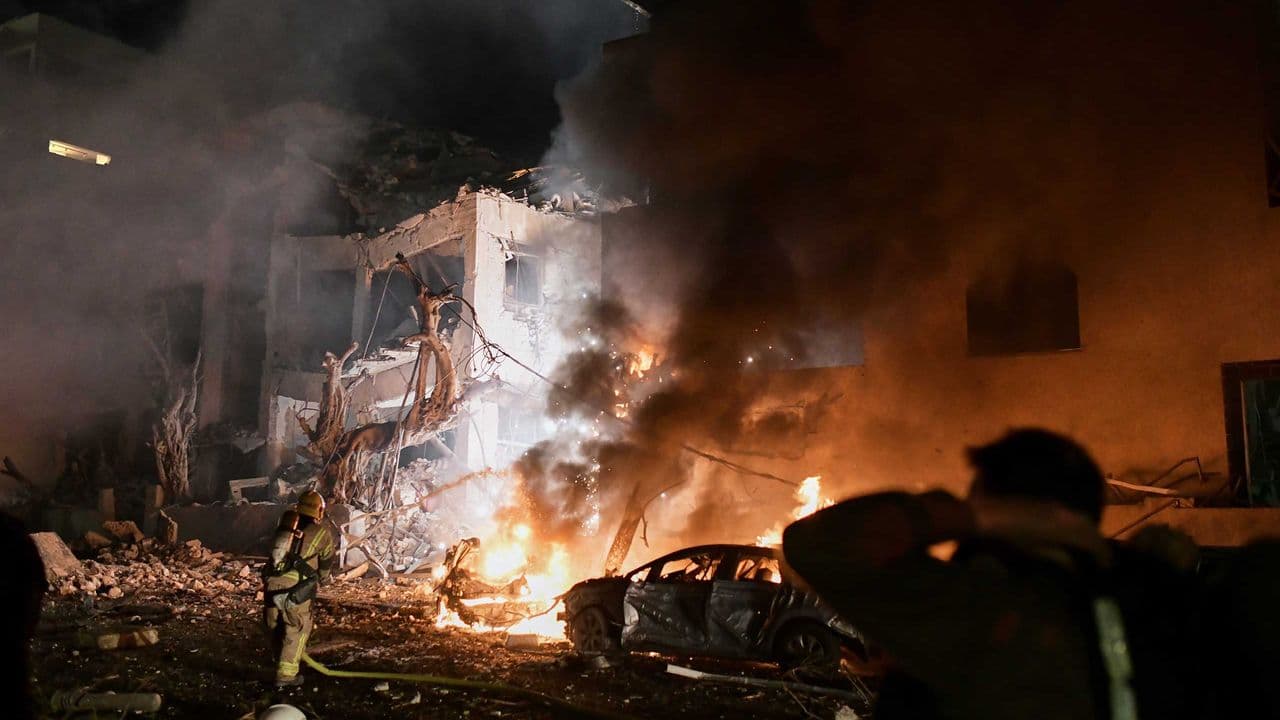
Iran Launches Waves of Drones and Missiles Across Middle East, Plunges Region Into War
Key Takeaways
- Israel and the U.S. bombing campaign killed Supreme Leader Ayatollah Ali Khamenei, Israeli military says
- Iran has launched waves of drones and missiles across the Middle East
- Iran's regime has not collapsed despite the killing of its top leaders
Regional escalation
Iran’s barrage of drones and missiles has been described as a major escalation that has plunged the region toward broader war, undermining whatever sympathy neighboring Gulf states once felt for a cornered Iranian regime and prompting those states to shore up external military partnerships to protect themselves from future Iranian threats.
“Days after Israel and the United States launched a bombing campaign that decimated the upper echelons of Iran’s leadership—killing the Supreme Leader, Ayatollah Ali Khamenei, and more than forty top officials, according to the Israeli military—the regime in Tehran has shown little sign of breaking”
The New Yorker reports that “the barrage of drones and missiles from Iran” has "emboldened the voices of those within the Gulf who say that this regime should be degraded as much as possible,” and that “now, whenever this conflict ends, those monarchies will instead focus on protecting themselves against future Iranian threats, and will deepen military partnerships with outside powers.”
U.S.-Israeli campaign
U.S. and Israeli strikes have, according to analysts and officials quoted in The New Yorker, severely degraded Iranian military capabilities while asserting overwhelming force; a U.S. official claimed that the campaign has “eviscerated Iran’s Navy and Air Force,” and analysts noted a decline in Iranian ballistic-missile launches that they attribute to the efficacy of U.S.-Israeli strikes.
At a briefing, Hegseth framed the campaign as an intentional imbalance: “This was never meant to be a fair fight, and it is not a fair fight… We are punching them while they’re down, which is exactly how it should be.”
Gulf recalibration
The strikes and Iran’s response have reshaped regional calculations: Gulf states that previously pursued rapprochement with Tehran now see the regime as having "no red lines," and officials predict long-term security realignments, with some states accelerating ties to external powers.
“Days after Israel and the United States launched a bombing campaign that decimated the upper echelons of Iran’s leadership—killing the Supreme Leader, Ayatollah Ali Khamenei, and more than forty top officials, according to the Israeli military—the regime in Tehran has shown little sign of breaking”
A Gulf official told The New Yorker that Iran’s strategy was “counterproductive,” and Marwan Muasher said, “Iran has killed any chance of reconciliation with the Gulf.”
Strategy and ambitions
Israeli officials, enabled by U.S. backing, have moved to exploit Iran’s weakness and even consider longer-term strategies to undermine Tehran, including boosting support to anti-regime Kurdish factions.
The New Yorker states that "Enabled by the U.S., Israel now bestrides the Middle East as a paramount hegemon," and reports Israeli briefings about plans to "potentially balkanize Iran" by aiding Kurdish groups.
The U.S. political leadership has also signalled willingness to influence Iranian succession, with Trump saying he had “to be involved” in the appointment of Khamenei’s successor—language The New Yorker portrays as leaning toward regime change.
Risks and resilience
Analysts caution that the bombardment strategy could backfire by rallying domestic support around Iran’s leadership, while Tehran’s surviving command structure may be more resilient than its adversaries expect.
“Days after Israel and the United States launched a bombing campaign that decimated the upper echelons of Iran’s leadership—killing the Supreme Leader, Ayatollah Ali Khamenei, and more than forty top officials, according to the Israeli military—the regime in Tehran has shown little sign of breaking”
Eskandar Sadeghi-Boroujerdi warned that foreign assault can reorder grievances, and Danny Citrinowicz noted Iran’s leadership "assesses that its capacity for absorption and persistence is higher than that of its adversaries," while U.S. policymakers face limited appetite for a ground intervention.
The New Yorker concludes that bombing may unite Iranians against outside attack even as it weakens Iran’s military hardware.
More on Gaza Genocide

Israel Drops Charges Against Five Soldiers Accused Of Sexually Assaulting Palestinian Detainee
23 sources compared

Israeli Reservist Soldier Kills Palestinian Man in Occupied West Bank as Israel Intensifies Military Presence
15 sources compared
Wealthy Flee Gulf as Private Jet Charters Surge to $350,000, Riyadh Becomes Evacuation Hub
26 sources compared
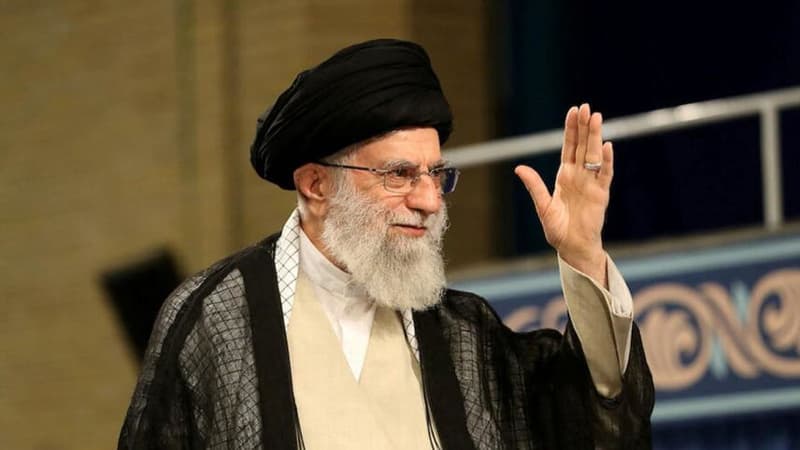
U.S. and Israel Assassinate Iranian Supreme Leader Ayatollah Ali Khamenei, President Donald Trump Says
137 sources compared