Iran09 March, 20262 min read
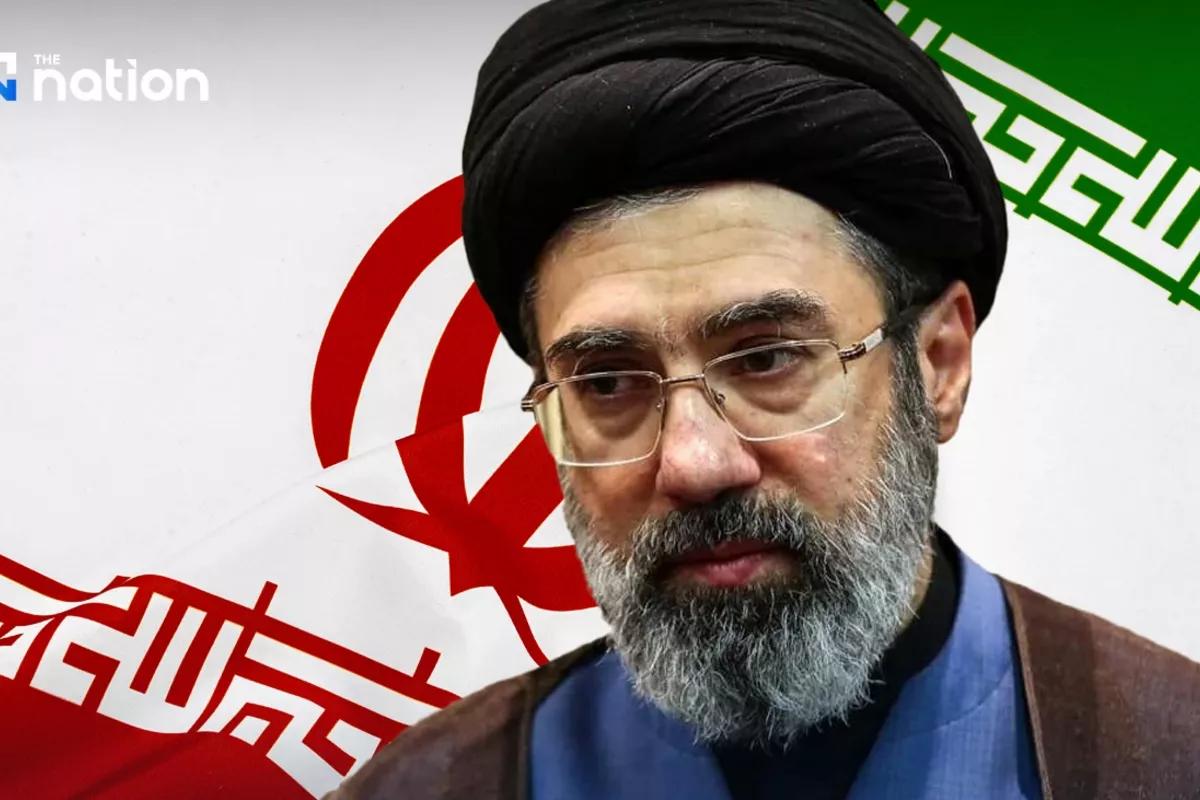
Iran Names Mojtaba Khamenei Supreme Leader After Air Strikes Killed Ayatollah Ali Khamenei
Assembly of Experts appointed Mojtaba Khamenei on March 8, 2026. Ali Khamenei was killed in U.S.-Israeli air strikes on Feb. 28, 2026.

Appointment of new supreme leader
On March 8, Iran’s 88-member Assembly of Experts announced that it had named Mojtaba Khamenei — the son of Ayatollah Ali Khamenei — as Iran’s new supreme leader.
“Iran’s Assembly of Experts has named Mojtaba Khamenei, 56 and the son of the late Ayatollah Ali Khamenei, as the country’s new supreme leader.”
State and international outlets presented the decision as coming a little over a week after reports that Ali Khamenei was killed in U.S.–Israeli strikes on Feb. 28.

Multiple outlets described the Assembly’s selection as an assertion of continuity amid active conflict between Iran, the United States and Israel.
Mojtaba profile and allegations
Reporting across the region and in Western media emphasized Mojtaba’s private profile, clerical rank and deep informal ties to Iran’s security apparatus. He is widely described as a mid‑ranking cleric who taught in Qom and has not held elected office.
He served in an IRGC battalion during the Iran–Iraq War and has long exercised behind‑the‑scenes influence inside his father’s circle. Several outlets also flagged past U.S. sanctions and allegations tying him to domestic crackdowns and security networks.

State response to succession
Iranian state institutions and senior security bodies moved quickly to present the succession as consolidated. State media and senior commands praised Mojtaba, and the Assembly urged unity. Figures including the IRGC and other security councils publicly pledged support and loyalty, framing the appointment as rapid and consensual amid wartime conditions.
“Iranian state institutions and the armed forces announced a rapid, consensus-driven succession after state reports said Ayatollah Ali Khamenei had been ‘martyred,’ naming his son Mojtaba Khamenei as the new Supreme Leader. Key bodies — including the IRGC, the Supreme National Security Council, the General Staff, Khatam al‑Anbiya headquarters and the Assembly of Experts — praised Mojtaba as a knowledgeable, young jurist and pledged unconditional, lifelong loyalty, vowing to carry out his orders.”
International reaction and tensions
The appointment drew immediate international pushback and heightened regional tensions. Israel warned it could target any successor. U.S. political leaders called the choice unacceptable and vowed to influence outcomes.
Outlets reported the announcement amid continuing strikes, missile exchanges, and threats to energy and infrastructure. Analysts say these developments have escalated the wider conflict and market reactions.
Contested succession coverage
Analysts and many international outlets stressed uncertainties and disputes around the process and the candidate. Some reports described the succession as disputed or unannounced publicly, while others asserted Mojtaba's elevation, a direct contradiction in coverage. Critics noted he lacks the senior clerical rank traditionally held by a supreme leader.
“Iran’s 88-cleric Assembly of Experts says it has reached a majority consensus on a successor to Supreme Leader Ayatollah Ali Khamenei but has not publicly named anyone.”
They raised questions about hereditary succession and cited allegations of corruption and a role in past crackdowns. These factors leave the long-term political and legal legitimacy of the move contested.
