Iran09 March, 20262 min read
Iran Names Mojtaba Khamenei Supreme Leader After Israeli Strike Killed His Father
Mojtaba Khamenei was chosen by the Assembly of Experts as Iran’s new supreme leader An Israeli strike at the war’s start killed his father, Ayatollah Ali Khamenei

Iran leadership transition
Iran's clerical Assembly of Experts named Mojtaba Khamenei as the country’s new supreme leader after a wartime vote, marking the first father-to-son transfer of the post since 1979.
“Iran’s Assembly of Experts has named Mojtaba Khamenei, the 56-year-old son of the late Ali Khamenei, as Iran’s new supreme leader — the third person to hold the post since 1979, state-affiliated outlets reported.”
State-affiliated outlets reported the 88-member body moved swiftly under what it called "acute wartime conditions," and state media and official statements urged Iranians to unite behind the selection amid ongoing fighting and security fears.

Mojtaba Khamenei profile
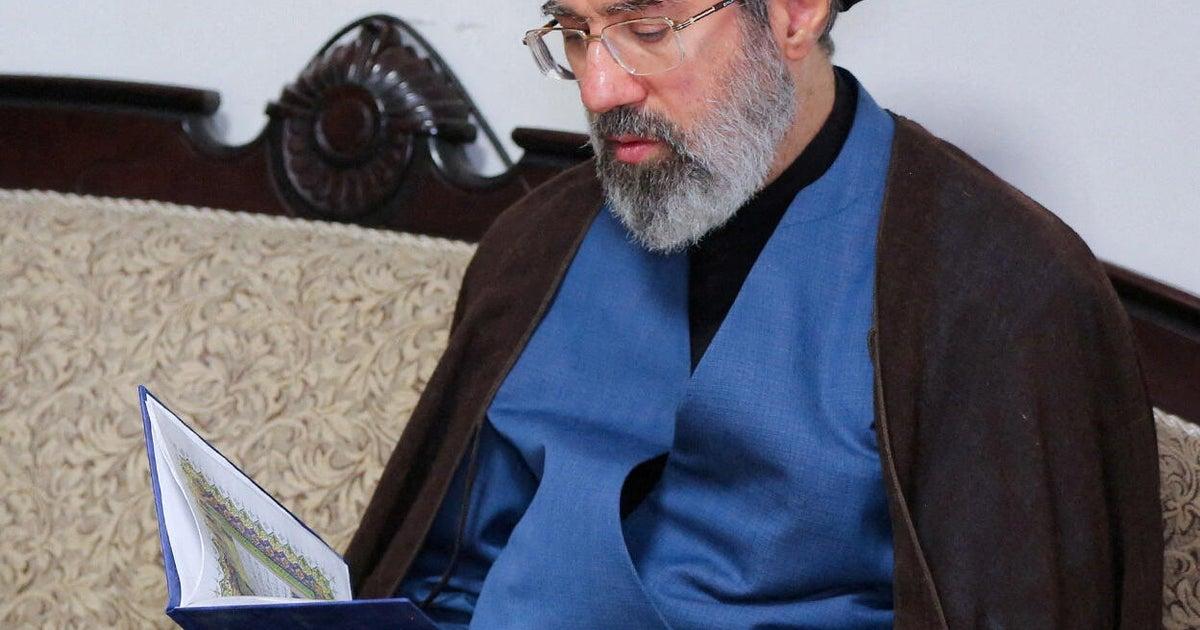
Mojtaba Khamenei is described across reports as a 56-year-old, low-profile cleric who rose through the Office of the Supreme Leader. He built influence via security and Revolutionary Guard ties rather than broad public religious stature.
Sources note his mid-level clerical rank (hojatoleslam), a long history inside the state apparatus and the IRGC, and allegations that he helped coordinate repression after the 2009 Green Movement. Analysts say these factors make him a hardliner whose authority rests on proximity to power and security institutions.
Assembly vote amid strikes
The Assembly’s vote took place against the immediate backdrop of devastating strikes that killed the previous supreme leader and other senior officials. Reports describe pressure and security complications during the selection process.
“Mojtaba’s appointment comes after a strike on the first day of the war that the report says the United States and Israel launched on Iran. That attack killed his father, as well as his mother, wife and one sister; Mojtaba was reportedly not present and survived the intense bombing.”
Iranian outlets say airstrikes hit the Assembly’s secretariat and disrupted online voting, prompting a second, guarded in-person session near a holy shrine. Officials and security commanders, including IRGC figures, are reported to have pushed members to support Mojtaba.
Iran reactions to succession
Reactions inside Iran were mixed: state institutions and the armed forces moved quickly to pledge allegiance while public sentiment showed fractures. State television shifted into celebratory coverage and key institutions publicly backed the new leader.
Some Tehran residents reportedly expressed anger. External figures, including U.S. politicians quoted in international press, openly criticized the succession.
Regional escalation and responses
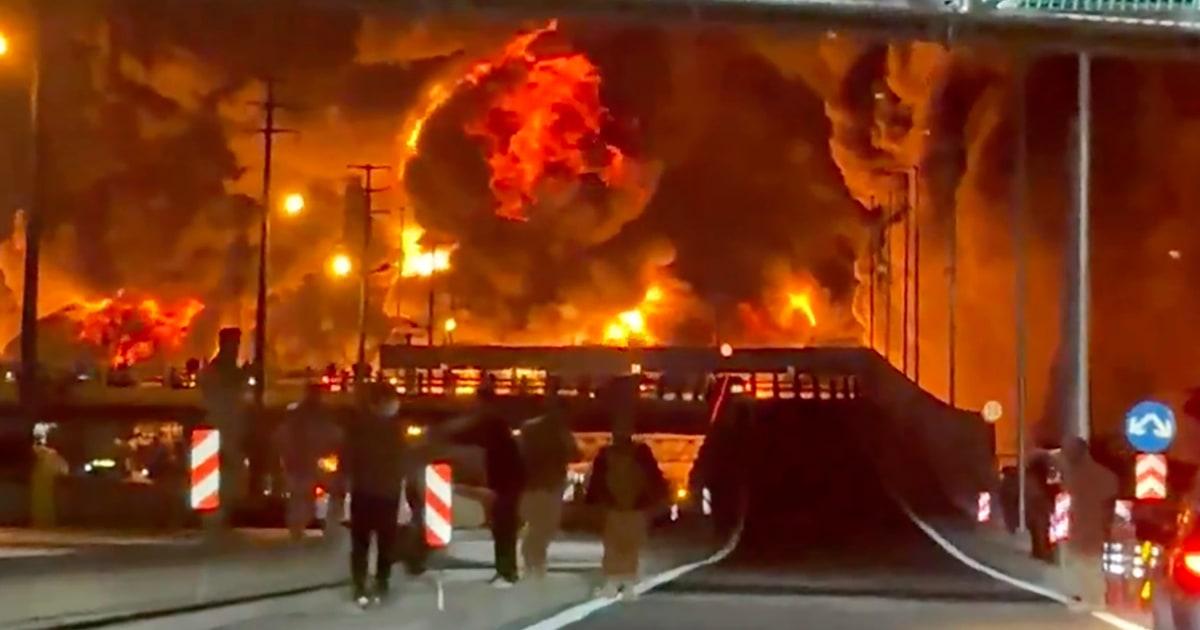
The appointment comes amid a wider regional escalation that has produced heavy infrastructure damage and disputed casualty tallies, and international leaders called for restraint even as strikes and counterstrikes continued. Reporting cited hundreds of missiles and drones hitting Gulf countries, oil depots burning in Tehran after Israeli strikes, and widely varying death tolls. Diplomatic efforts, such as calls for de-escalation from European leaders, were highlighted alongside continuing battlefield and intelligence disputes.
“The conflict’s civilian toll and infrastructure damage rose: Bahrain accused Iran of striking a major desalination plant, oil depots in Tehran burned after Israeli strikes, and Gulf countries have been hit by hundreds of missiles and drones since Feb. 28.”