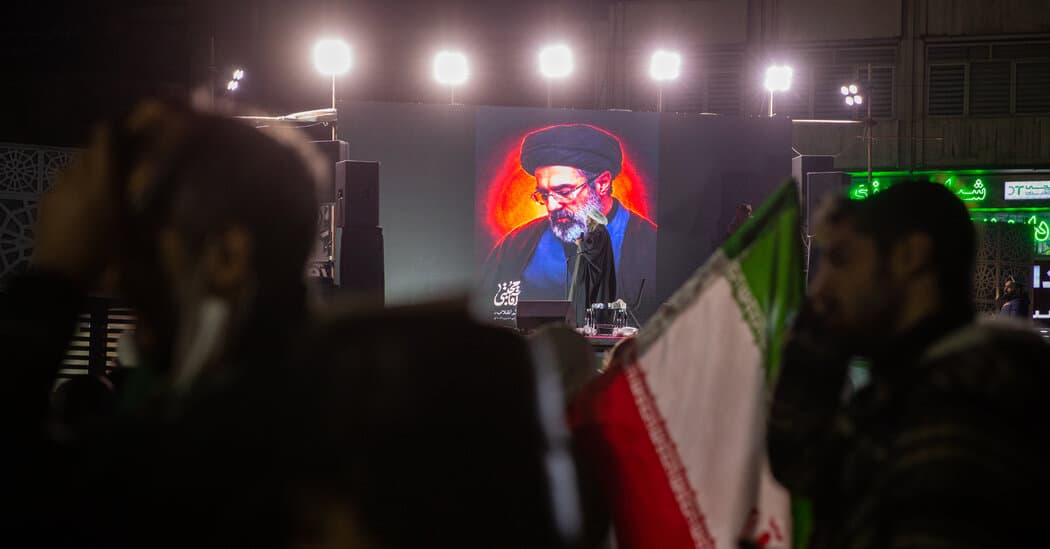
Iran Selects Mojtaba Khamenei as Supreme Leader
Key Takeaways
- Assembly of Experts selected Mojtaba Khamenei to succeed his father as Iran's top cleric
- He is Ali Khamenei's son, killed by air strikes at the war's start
- Selection consolidates hardliner control in Tehran and escalates regional tensions, including oil and diplomatic impacts
New Supreme Leader Appointment
Iran’s Assembly of Experts has appointed Mojtaba Khamenei, 56, the son of the late Ayatollah Ali Khamenei, as the country’s new supreme leader.
“I don’t see the article — you only sent "U”
The clerical body said a majority voted for Mojtaba and urged the public and senior clergy to pledge allegiance.
The Assembly portrayed the move as a formal transfer of authority that critics say signals continuity with the previous leadership.
The report connects the appointment to the war context by noting Ali Khamenei’s death in a U.S.–Israeli air strike.
Media response to appointment
Iranian state institutions and hard-line media presented the appointment as a unifying, celebrated moment.
State television immediately shifted from sombre war and mourning coverage to upbeat revolutionary anthems and celebratory footage of large crowds.

Senior figures publicly called for unity and allegiance, illustrating tight control of messaging by hard-line elements even as the leadership sought to project stability.
Domestic dissent in Tehran
Visible domestic dissent undercut the official pageantry.
“Iran names Mojtaba Khamenei as its new supreme leader Iran has named Mojtaba Khamenei to be its new supreme leader, according to Iranian state television”
Reporters observed opponents in Tehran chanting "Death to Mojtaba" from rooftops and windows.
Some Iranians warned the new leader could rule more harshly and increase hostility toward the United States and Israel.
These were signs of internal unease even as state actors demanded loyalty.
Regional response to appointment
The appointment immediately reverberated regionally and coincided with sharp military escalation, NPR reports.
Israeli leaders publicly warned they could target the successor or those involved in the selection, NPR reports.
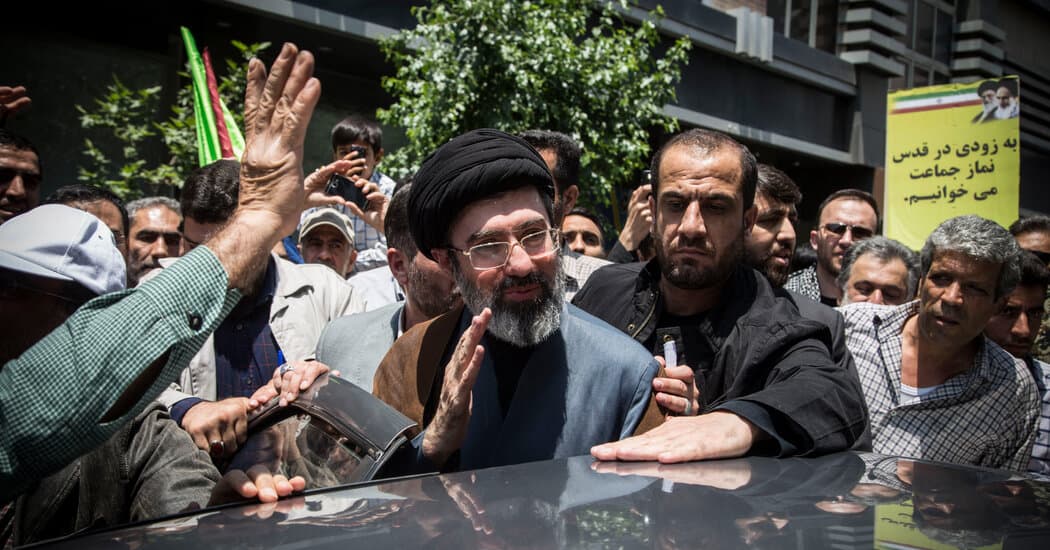
Prime Minister Benjamin Netanyahu said he seeks to "destabilize the regime and enable change."
The conflict saw strikes on Iranian oil facilities as well as Iranian retaliation against regional infrastructure.
Those developments fed international focus on Tehran's new leadership amid ongoing hostilities and U.S. military casualties linked to the wider conflict.
Hard-line continuity concerns
Implications remain contested, but sources consistently frame the development as continuity toward a harder line.
“War in theMiddle East Advertisement Supported by Opponents of the government, however, worried the new supreme leader, a son of the recently killed Ayatollah Ali Khamenei, would rule with an iron fist like his father”
Reporting highlights Mojtaba's reported ties to the Islamic Revolutionary Guard and official pledges of allegiance from the armed forces.
Observers and some citizens voiced fears of intensifying hostility abroad and tougher rule at home.
The transition is described as uncertain and shaped by war, domestic dissent, and strong institutional backing.
Note: the supplied Associated Press snippet did not include article text for review.
More on Iran

Iran Wounds About 140 U.S. Troops Since War's Start, Pentagon Says
11 sources compared

US Strikes Injure About 140 Troops as Hegseth Vows Most Intense Day Yet of Attacks
15 sources compared

US Destroys Iran Mine-Laying Vessels in 'Most Intense Day' of Strikes
11 sources compared

US Vows Most Intense Day of Strikes Inside Iran, Hegseth Says
15 sources compared