Iran · 14 May, 2026 · 4 min read
Iran Parliament Drafts Strait of Hormuz Security Plan to Ban Hostile Vessels
Iranian parliament finalizes a security and development plan for Hormuz and the Persian Gulf. Iran denounces US-backed Hormuz resolution as coercive, deceptive, and politically motivated.
Whether the Hormuz UN resolution seeks only navigation safety.
11 of 12 outlets skipped it: iran’s parliament drafts a Persian Gulf security-development plan.
PressTV was read line by line by the Watchdog: 3.8. See the score →
12outlets compared
Same story, two versions
tap a side to read it in full
PressTV
“politically-motivated draft resolution targeting Iran's legitimate actions”Read the original ↗
Frames the same draft as humanitarian navigation vs politically motivated pressure.
Draft plan and retaliation
Ebrahim Azizi, chairman of Iran’s parliamentary National Security and Foreign Policy Commission, said lawmakers have finalized a comprehensive plan aimed at strengthening security and expanding economic development in the Persian Gulf and the Strait of Hormuz, with the draft legislation titled the “Plan for the Security and Development of the Persian Gulf and the Strait of Hormuz” to be reviewed once parliament reconvenes.
Azizi said the proposal would ban the entry of vessels from hostile countries as well as military ships “under any pretext,” and he described the Strait of Hormuz as “one of the world’s fourteen strategic chokepoints and an unparalleled geographic asset that has remained largely untapped.”
He also said the commission has prepared a reciprocal action plan targeting U.S. President Donald Trump, Israeli Prime Minister Benjamin Netanyahu and commanders of U.S. Central Command over their role in the assassination of Leader Ayatollah Ali Khamenei on Feb. 28.
Azizi added that Iran’s strategy of asymmetric warfare and popular mobilization enabled the country to withstand pressure from what he described as “two nuclear powers,” and he criticized the UAE, Saudi Arabia and Qatar for allowing the United States to use military bases in the Persian Gulf during the conflict.
The same account says Iran responded to the Feb. 28 attacks with retaliatory strikes under Operation True Promise 4, and that a Pakistan-brokered ceasefire remains in effect though tensions persist as U.S. naval restrictions on Iranian ports continue and negotiations remain stalled.
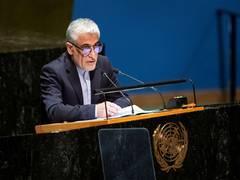
UN mission attacks US
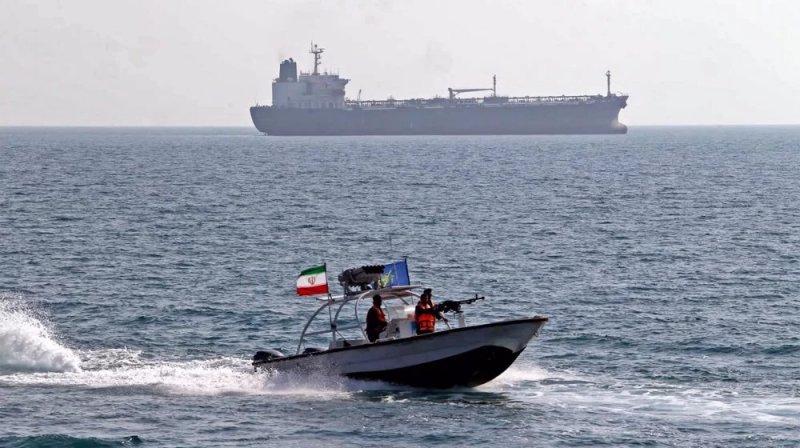
Iran’s Permanent Mission to the United Nations condemned as “absurd and deceptive” the United States’ attempt to portray the number of co-sponsors of its anti-Iran resolution as broad international backing and proof of Iran’s isolation. In an X post, the mission said, “No number of coerced co-sponsorships can legitimize Washington’s ongoing internationally wrongful acts against Iran, including maritime blockade, attacks on and illegal seizure of Iranian commercial vessels, and hostage-taking of their crews in a manner resembling piracy,” and it added that “Everyone knows that many members joined the draft resolution under political pressure, coercion, and even threats.” The dispute is framed around the Strait of Hormuz, where Iran says it shut down the waterway to enemies and their allies after the launch on February 28 of the illegal US-Israeli aggression against the Islamic Republic.
The same reporting says Iran began exercising far stricter controls last month after US President Donald Trump announced an illegal blockade of Iranian vessels and ports in violation of the terms of a Pakistan-brokered ceasefire that took effect on April 8. It also states that Tehran stresses it will not reopen the Strait of Hormuz until the blockade is lifted and the war permanently ends, while warning that any new onslaught will be met with a far more crushing and devastating response than before.
Bahrain-US push for sanctions
Three Western diplomats said members of the U.N. Security Council would begin today, Tuesday, talks on a draft resolution backed by the United States and Bahrain that could impose sanctions on Iran and may authorize the use of force if Tehran does not halt its attacks and threats to merchant shipping in the Strait of Hormuz.
The Reuters account says the renewed exchange of fire on Monday underscored the seriousness of the situation as the United States and Iran clash for control of the narrow waterway, and it notes that the text condemns Iran’s violations of the ceasefire and its acts and ongoing threats aimed at closing or hindering the Strait of Hormuz or imposing charges on passage through it, including the laying of sea mines.
It adds that the text calls on Iran to halt attacks immediately, disclose the locations of any mines, and not hinder mine clearance operations, and it says the U.N. Secretary-General will present a report within 30 days on compliance with these measures.
A separate report says the United States and the Arab Gulf states, represented by Bahrain, have begun drafting a joint resolution in the United Nations Security Council to hold Iran accountable for closing the Strait of Hormuz for months and to push international efforts to reopen it to commercial shipping.
That same account quotes U.S. Ambassador to the United Nations Mike Waltz saying the draft resolution is considered a “parallel and separate” effort from the “Freedom Project,” and it says the Security Council will reconvene to consider further steps, including possible sanctions, if Iran does not implement the resolution.