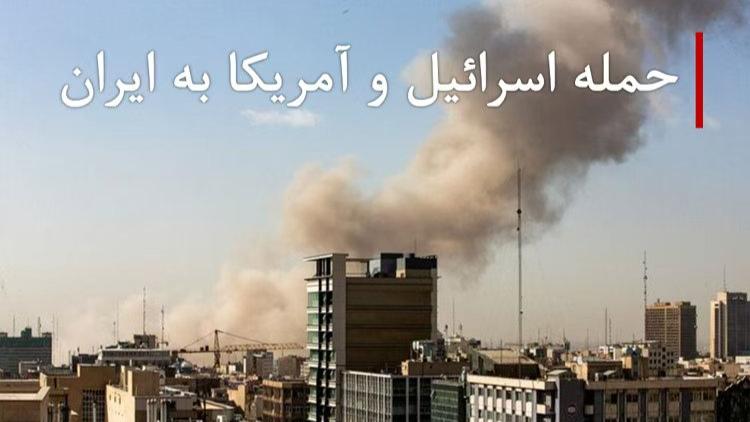
Iran Rejects Temporary Ceasefire, Demands Permanent End as Strait of Hormuz Remains Closed
Key Takeaways
- Iran rejects temporary ceasefire and demands permanent end to the war.
- Strait of Hormuz will never return to its former state, especially for US and Israel.
- Trump imposes a 48-hour deadline to reopen the Strait of Hormuz.
Ceasefire Talks Stall
Iran firmly rejected the latest ceasefire proposal brokered by Pakistan, Egypt, and Turkey, demanding a permanent end to the war rather than a temporary pause.
Iran's state-run IRNA news agency said Tehran conveyed its response to the U.S. through Pakistan, with the Gulf's vital energy chokepoint remaining closed.

Mojtaba Ferdousi Pour said, We only accept an end of the war with guarantees that we won't be attacked again.
Trump had threatened strikes on Iran's power plants and bridges if the strait was not reopened.
The proposed Islamabad Accord included an immediate ceasefire and reopening of the strait followed by negotiations.
Iran's response consisted of 10 clauses including lifting sanctions and reconstruction.
Rhetoric and Regional Threats
President Trump escalated his rhetoric, demanding Iran Open the F***in' Strait.
Iranian parliamentary Speaker called the threats reckless.
Israel and the U.S. continued attacking Iranian chemical and petrochemical facilities.
Iran maintained it would not negotiate under ultimatums and threats to commit war crimes.
Trump justified the strikes by labeling Iran's leadership animals.
The strike on the Shajareh Tayyebeh girls' school in Minab killed at least 153 people.
Economic Impact
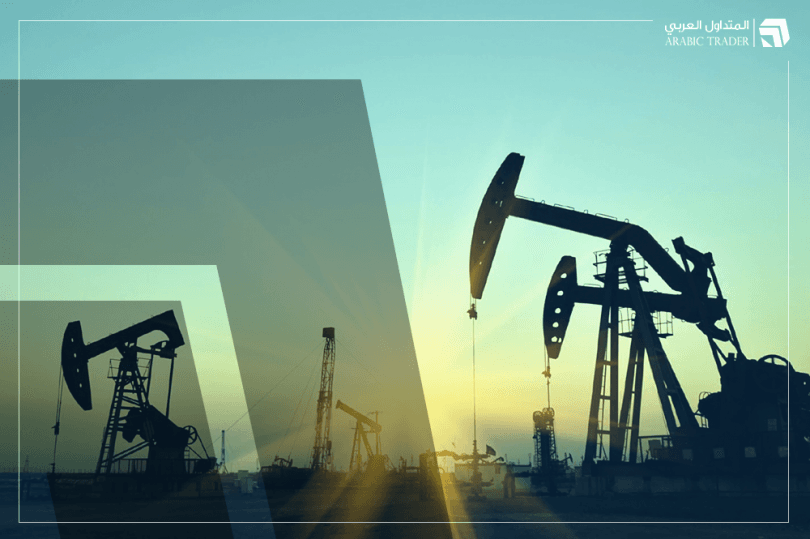
The closure of the Strait of Hormuz sent global energy markets into turmoil.
Brent crude surged more than 8% in London while US crude jumped nearly 9%.
The Strait typically channels nearly 20% of the world's oil production.
Disruptions threaten to raise costs on goods worldwide.
Gulf stock markets plunged.
The five-week conflict had already killed more than 3,500 people.
Human Cost and Global Reactions
The escalating strikes shifted from strategic targets to civilian infrastructure.
The attack on Minab's girls' school killed at least 153 people.

Iran's Red Crescent reported at least 201 dead and 747 injured in five weeks of strikes.
Relief deliveries were blocked as Saudi Arabia closed the Salwa crossing.
Britain and France urged Trump to halt plans to strike civilian infrastructure.
The UN's Guterres called the devastation in Minab unbearable and entirely avoidable.
More on Iran

Trump Threatens to Demolish Iran as Strait of Hormuz Deadline Looms
15 sources compared
Trump Sets Final Iran Deadline, Threatens to Take Out Entire Country Overnight
20 sources compared
Trump Threatens To Jail Journalist Over Pilot Rescue Leak
18 sources compared

Iran Rejects 45-Day Ceasefire, Demands Permanent End to War
20 sources compared