
Iran Rejects U.S.-Backed Ceasefire, Tables Five Preconditions Including War Reparations
Key Takeaways
- Trump claims Iran is begging to make a deal as he pauses strikes.
- Iran denies direct talks with the United States amid ongoing conflict.
- U.S. extends pause on energy strikes to April 6 as talks continue.
Iran sets five war-termination demands
Iran has rejected the U.S.-backed ceasefire framework and, instead, tabled a five-point precondition set that markedly shifts the dynamic from dialogue to terms Tehran demands be met before any de-escalation.
“President Donald Trump said Thursday at his first Cabinet meeting since launching the Iran war that Tehran has been “decisively defeated” and is “begging” for a deal”
WYSO Public Radio foregrounds the new stance by noting Iran’s demands include war reparation payments and recognition of Iranian sovereignty over the Strait of Hormuz.

The five conditions, circulated by Iranian officials and reported by SCMP, include an end to aggression by the enemy, concrete guarantees preventing recurrence of war, clear determination to stop fighting, guaranteed payment of war damages and compensation, and a comprehensive end to the war across all fronts, including against all resistance groups.
Associated Press coverage underscores that Iranian officials deny direct negotiations with the United States, arguing instead that communications run through regional intermediaries.
The Daily Beast corroborates the shift by noting the U.S. had proposed a 15-point peace plan delivered via Pakistan, while Tehran’s response foregrounds its own terms rather than a mere pause in hostilities.
What the 15-point plan demands
Trump’s 15-point plan, and the specifics of what it would demand, sit in tension with Iran’s counter-proposals and reveal the plan’s own limits.
The Daily Beast notes the plan was delivered as part of a package that reportedly demands Iran commit to never pursuing nuclear weapons and to dismantle existing nuclear capabilities, a framework reportedly conveyed through Pakistan.
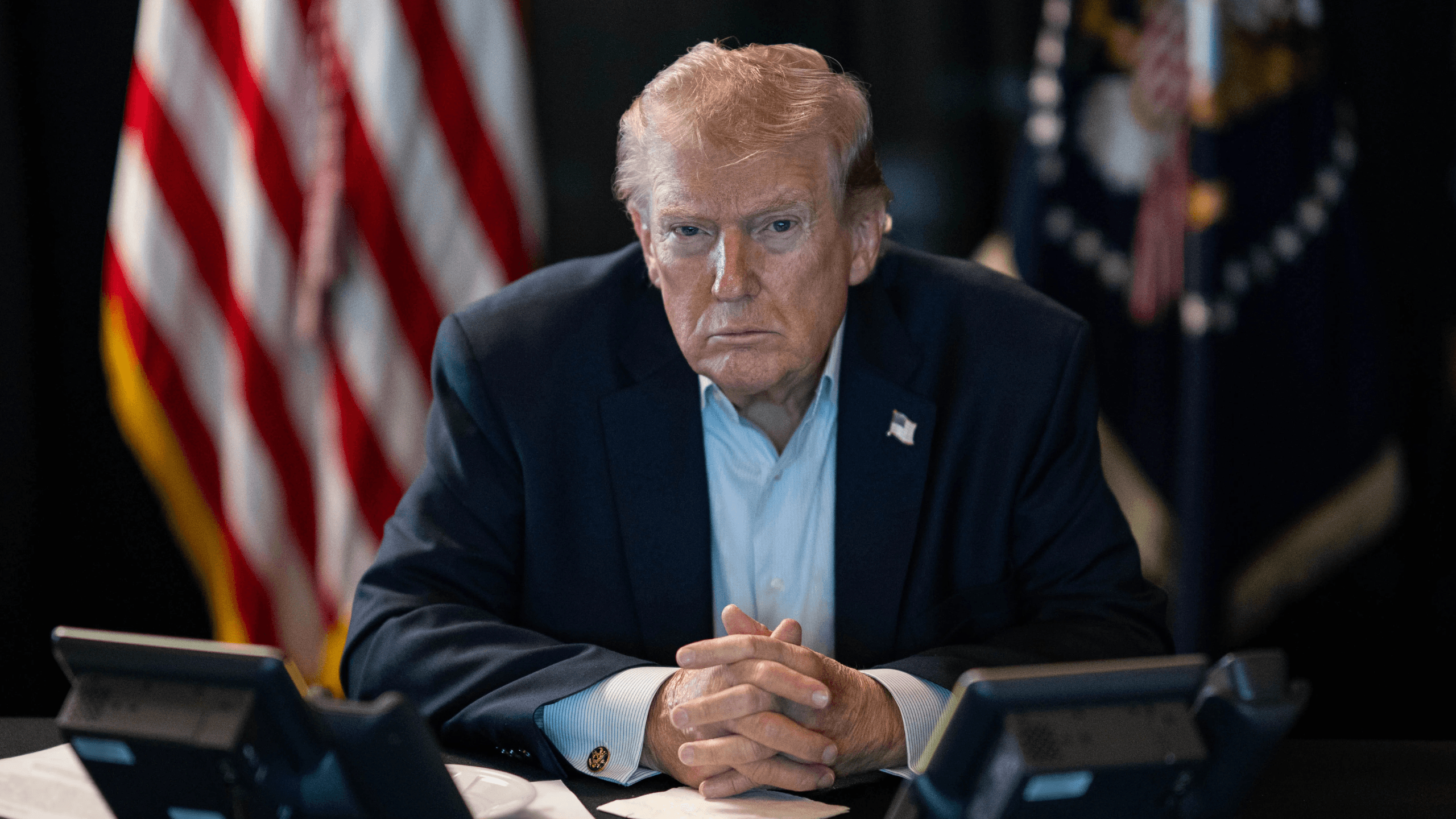
International Business Times sharpens the comparison by reporting Iran’s leadership is described as 'begging to make a deal' in private, while publicly insisting the terms remain unacceptable.
The South China Morning Post emphasizes Trump’s public posture—asserting that Iran is begging for negotiations while presenting an energy-related 'gift' as leverage.
The Associated Press, meanwhile, records Iran denying direct talks while acknowledging messaging through intermediaries, underscoring the gap between U.S. proposals and Tehran’s conditions, including reparations and sovereignty over strategic chokepoints.
Rhetoric vs. on-ground realities
Rhetoric and reality collide as Tehran rejects the U.S. frame while Western reporting tracks a widening military and geopolitical cadence.
“US President Donald Trump has claimed that Iran is 'begging to make a deal' with the United States, even as tensions intensify across the Middle East and diplomatic efforts to end the conflict remain fraught with uncertainty”
SCMP captures Trump’s posture at the Cabinet briefing, with the president denying desperation and insisting Iran is the one 'begging to make a deal' while hinting at leverage through Iranian energy movements.
The Guardian adds that Washington’s posture has included temporary pauses on striking Iran’s energy infrastructure—10 days—at Tehran’s request, signaling an attempt to buy time for talks even as the war intensifies.
NBC New York details the human and strategic toll: the war has killed more than 1,900 people in Iran and nearly 1,100 in Lebanon, with casualties among Israelis and U.S. service members, while millions have been displaced in the region.
The same piece also describes Israeli offensives and moves to redeploy forces, illustrating the granular, on-the-ground pressure that informs Tehran’s insistence on concrete guarantees rather than a simple ceasefire.
Broader West Asia stakes
Context matters: the broader West Asia frame shows who benefits from each framing and highlights the humanitarian and economic stakes behind the diplomatic rhetoric.
SCMP emphasizes the global economic ripples of a prolonged confrontation, including oil price volatility, underscoring pressures on both markets and regional states.

WYSO highlights that Iran’s five conditions also call for guarantees against future attacks and for reparations, signaling a long-term negotiation horizon rather than a quick tactical victory.
The Guardian reports that the Pentagon has considered deploying up to 10,000 additional ground troops to the region, illustrating the escalation calculus that may shape Tehran’s calculations on concessions.
NBC New York adds the human costs—displacements and civilian casualties—that ground the political theater in tangible suffering, while Press TV and other Iranian channels frame the crisis through a sovereignty-centered lens, arguing for fixed guarantees and an end to what Tehran calls aggression.
More on Iran

Iran Allows 20 Pakistani-Flagged Ships Through Strait Of Hormuz
14 sources compared
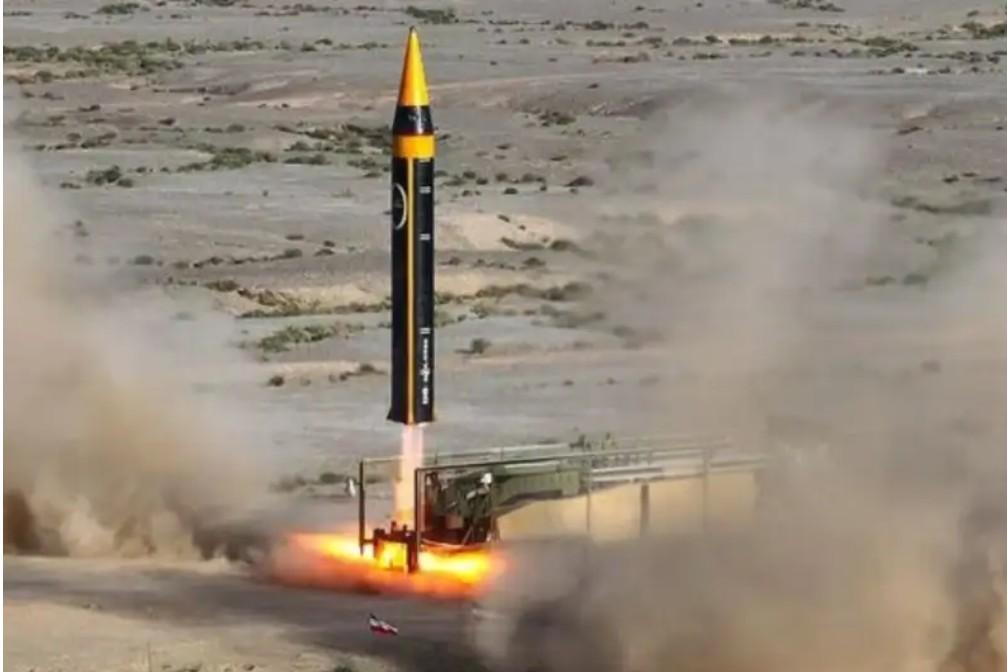
Houthis Formally Enter Iran-Israel War By Firing Missiles And Drones At Israel
16 sources compared
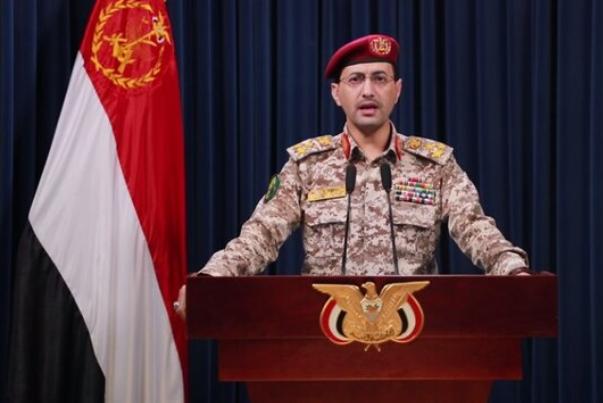
Houthis Launch First Missiles At Israel, Joining Iran War And Threatening Red Sea Routes
75 sources compared

Pentagon Plans Weeks-Long Ground Operations In Iran
21 sources compared