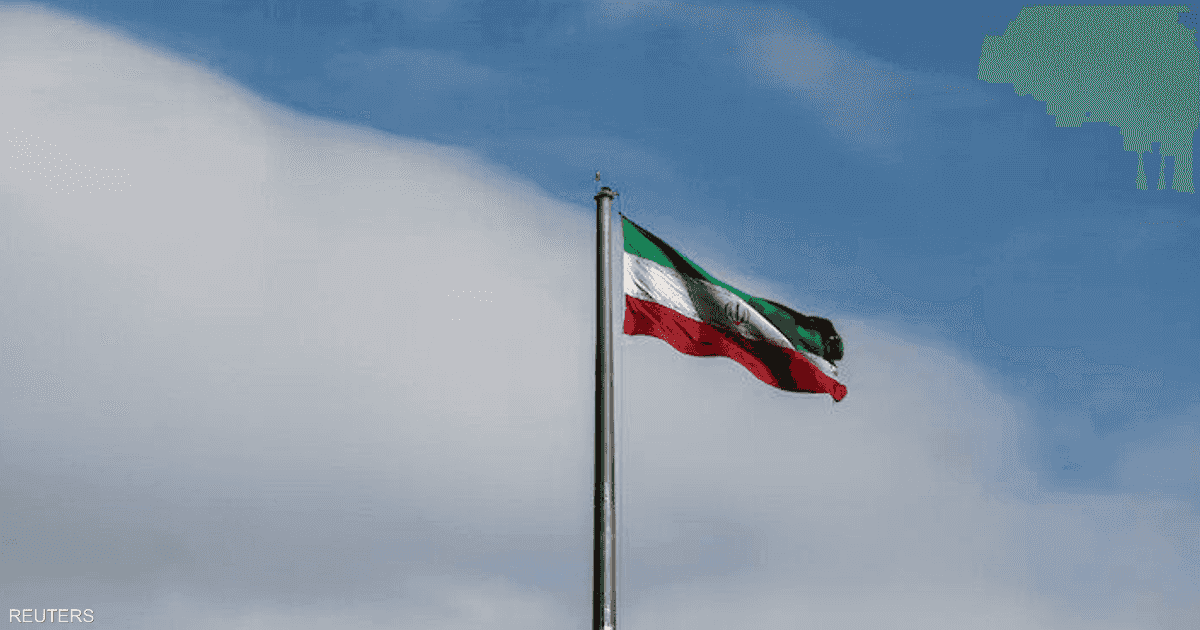
Iran Says It Attacked US Navy Ships After US Targeted Iranian Oil Tanker
Key Takeaways
- Iran says it attacked US Navy ships after US strikes on an Iranian tanker.
- US strikes Iranian military targets after attack on three American destroyers.
- The escalation threatens to unravel the fragile ceasefire in the Strait of Hormuz.
Deal talks amid strikes
World capitals and markets were waiting on Thursday for Tehran to respond to Washington's latest proposed deal to end the war and reopen the key shipping lane out of the Gulf, as Iran accused the United States of violating a ceasefire by targeting two ships at the Strait of Hormuz and attacking civilian areas.
“The Iranian military has said it retaliated against United States Navy ships after US forces targeted an oil tanker in Iran’s territorial waters, a major escalation that puts further strain on the fragile truce between Washington and Tehran”
Iran’s top joint military command said early on Friday that US naval units operating in the area came under Iranian missile fire following an attack by the US military on an Iranian oil tanker, and it added that US vessels were forced to retreat after sustaining damage from Iranian missile strikes.

The Express Tribune also said it was unclear when the incident happened, while Tasnim reported that three US destroyers near the Strait of Hormuz were targeted in an attack by the Iranian navy.
In parallel, the Iranian military said it retaliated against United States Navy ships after US forces targeted an oil tanker in Iran’s territorial waters, and it claimed the response caused “significant damage” to US ships.
The Daily Gazette framed the same moment as the United States waiting on Iran to respond to its proposal to reopen the Strait of Hormuz and end a war that has killed thousands of people, with tensions still high in both the Persian Gulf and in Lebanon.
Competing claims and quotes
Al Jazeera reported that Iran’s Khatam al-Anbiya Central Headquarters accused the US of violating the ceasefire by carrying out air strikes on civilian areas, including Qeshm Island, “in cooperation with some regional countries”.
The US Central Command (CENTCOM) countered that it “intercepted unprovoked Iranian attacks” and responded with “self-defence strikes,” adding that it “does not seek escalation but remains positioned and ready to protect American forces”.

The Express Tribune said Iran’s foreign ministry spokesman Esmaeil Baqaei told reporters that Tehran would communicate its position to mediator Pakistan “after finalising its views,” while Trump told reporters on Wednesday, “We've had very good talks over the last 24 hours, and it's very possible that we'll make a deal,” and threatened to return to bombing if Tehran refused to back down.
In Lebanon, the Daily Gazette tied the diplomatic track to the fragility of a separate truce, saying Israel said it killed a Hezbollah commander in a southern suburb of Beirut, its first strike on the city since a ceasefire began in Lebanon last month.
The Daily Gazette also quoted Ambassador to the United Nations Danny Danon telling Army Radio on Thursday that “we need to wait and not come out with declarations and headlines” about a potential deal.
What’s at stake next
The Daily Gazette said reopening Hormuz is a key objective for U.S. President Donald Trump, noting that “a fifth of the world’s oil and liquefied natural gas flowed before the war brought traffic to a standstill,” while Iran halted the flow of international traffic through the waterway.
“Erika Guevara-Rosas, Amnesty International's Senior Director of Research, Advocacy and Campaigns, commented on remarks by U”
It added that Iran has halted the flow of international traffic through the waterway while the U.S. is carrying out its own blockade of ships transiting to and from Iranian ports, and it said diplomatic efforts received new momentum this week with Washington relaying a one-page memo to the Islamic Republic.
The Express Tribune reported that around 1,500 ships and 20,000 international crew are now trapped in the Gulf region because of the conflict, with Arsenio Dominguez telling a Maritime Convention of the Americas meeting in Panama.
France 24 described the immediate risk as violence threatening to unravel a fragile truce in effect since April 8, after US strikes on Iranian military targets following an attack on three American destroyers in the Strait of Hormuz, while Tehran accused Washington of striking first.
Amnesty International warned that “Trump must back down from his threats,” saying the threats are “laden with a great deal of irresponsibility and would cause catastrophic harm to millions of civilians,” and it cited Trump’s March 21 warning that the United States “will erase” Iran's power plants “from existence, starting with the largest.”
More on Iran
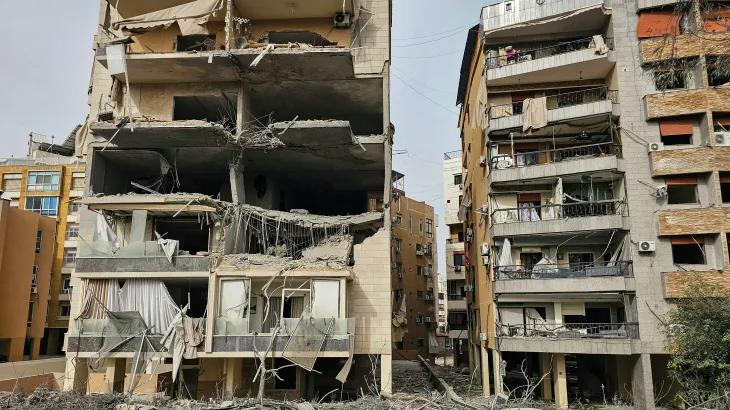
Israel Kills Hezbollah Radwan Commander in Beirut Strike, Testing U.S.-Brokered Ceasefire
18 sources compared
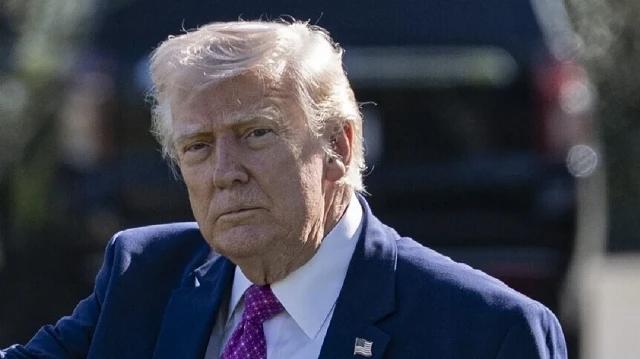
U.S. And Iran Exchange Fire, Straining Ceasefire After Strikes In Strait Of Hormuz
24 sources compared
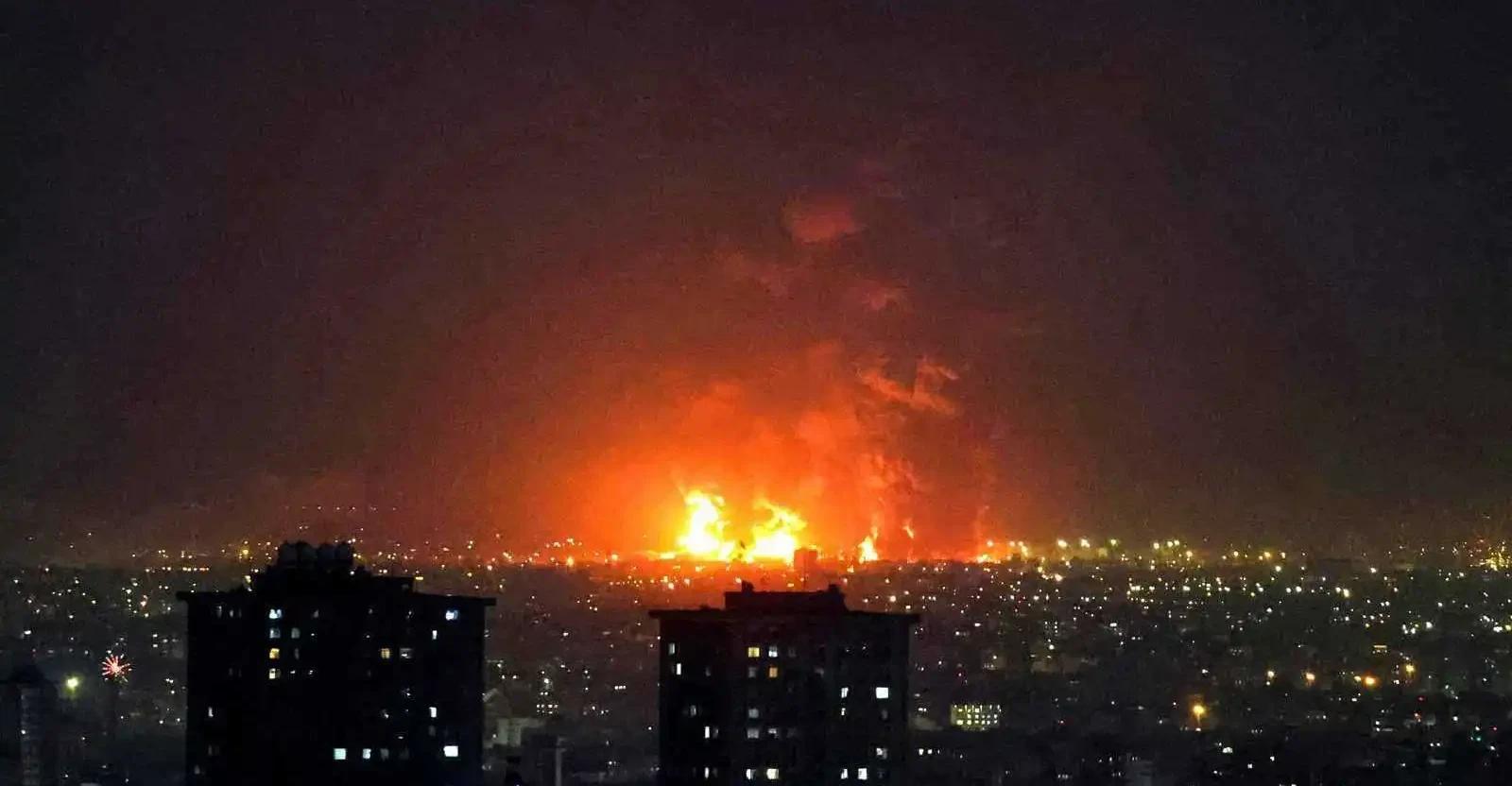
American Strikes Hit Iran’s Bandar Abbas and Qeshm Island After Iranian Missile Fire
23 sources compared
U.S. And Iran Agree To Ease Naval Blockade, Gradually Reopen Strait Of Hormuz
15 sources compared