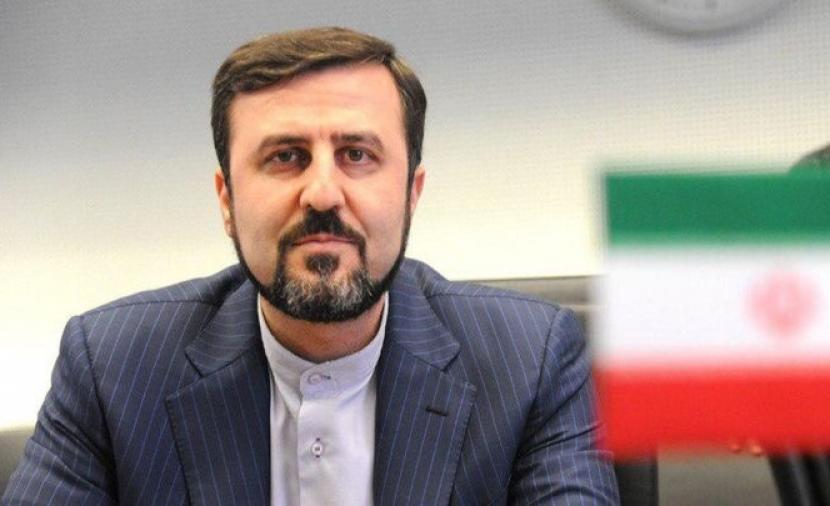
Iran Sends Response to U.S. Proposal to End War via Pakistan Mediators
Key Takeaways
- Iran's response delivered to Pakistani mediators via IRNA to end the war.
- First stage targets ending hostilities and Gulf maritime security, including the Strait of Hormuz.
- Plan seeks regional end of war across fronts, notably Lebanon.
Iran’s proposal via Pakistan
Iran sent its response to a U.S. proposal aimed at ending the war in the region through Pakistani mediators, with IRNA saying: "The Islamic Republic of Iran sent today through Pakistani mediators its response to the latest text proposed by the United States to end the war."
“Iran's Islamic Republic has announced that its response to the U”
The response was delivered as negotiations focused on ending the war and maritime security in the Persian Gulf and the Strait of Hormuz, with IRNA adding that the main focus was "ending the war and maritime security" in the Persian Gulf and the Strait of Hormuz.
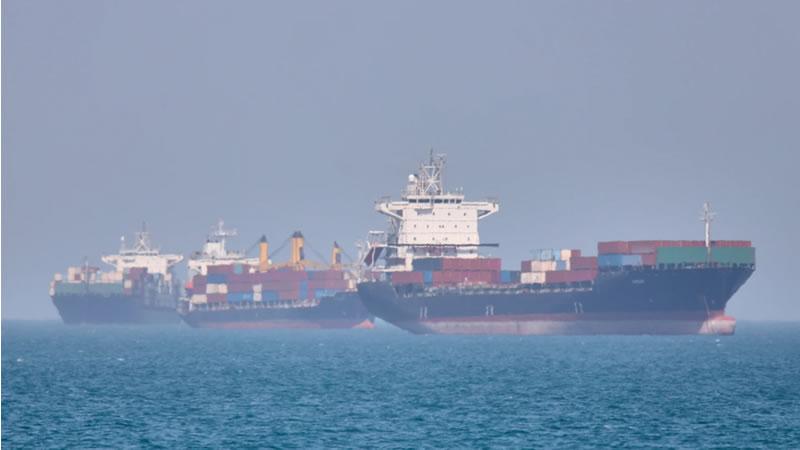
The diplomatic exchange came alongside continued pressure on shipping, with CNBC reporting that two carriers were allowed to pass through the blockaded Strait of Hormuz as Iran’s response was sent to Pakistan.
In parallel, the Times of India reported that Iran’s Islamic Revolutionary Guard threatened to target U.S. sites and "enemy ships" if its tankers come under fire, after U.S. attacks against two Iranian tankers in the Gulf of Oman.
The Guardian also framed the moment as the U.S. awaiting Iran’s reply, quoting Donald Trump: "I’m getting a letter supposedly tonight," as he told reporters at the White House on Friday night.
Threats, drones, and diplomacy
While Iran’s response moved through Pakistan, the same reporting described hostile drone activity across the Gulf, including a strike on a freighter bound for Qatar, as Tehran warned it would not refrain from retaliatory attacks.
Euronews quoted the Islamic Revolutionary Guard Corps warning: "Any attack on Iranian tankers and commercial vessels will result in a heavy attack on one of the American centres in the region and enemy ships."

Le Monde reported that Iranian President Masoud Pezeshkian said on X: "We will never bow down to the enemy, and if there is talk of dialogue or negotiation, it does not mean surrender or retreat," as drones threatened Gulf targets.
Le Monde also said Tehran’s military chief Ali Abdollahi met the country’s supreme leader Mojtaba Khamenei and received "new directives and guidance for the continuation of operations to confront the enemy," according to Iranian state television.
In the background of the ceasefire strain, the Guardian said US President Donald Trump expected a response from Iran soon and added that Marco Rubio told reporters: "We’re expecting a response from [Iran] today at some point … I hope it’s something that can put us into a serious process of negotiation."
What’s at stake next
The sources tied the next phase of talks to maritime access and the Strait of Hormuz, with Euronews saying the Washington proposal would formally end the war and reopen the Strait of Hormuz if Iran agrees before talks begin on more contentious issues including the Iranian nuclear programme.
CNBC reported that Michael Waltz, U.S. Ambassador to the UN, said the Trump administration had not yet received Iran’s response to the U.S. proposal to end the war, adding that negotiations were slowed by Iran’s leadership complexity.
Waltz said: "We know that Mojtaba [Khamenei], the new Ayatollah, the previous Ayatollah's son, has been severely injured. He's in hiding," in an interview with ABC’s "This Week."
The Guardian’s live coverage also described the diplomatic timetable and pressure points, including Trump’s expectation of a letter and the U.S. seeking an interim deal to end the conflict in the Middle East.
Separately, the Times of India reported that Iran warned of "heavy assault" after tanker strikes in the Gulf of Oman, underscoring how the sources linked the negotiation track to continued threats around U.S. targets and shipping.
More on Iran
Israel Built Secret Base in Iraq’s Desert to Support Air Campaign Against Iran
14 sources compared
Israel Built Secret Military Outpost in Iraq’s Western Desert, Then Struck Iraqi Forces
21 sources compared

Iran Warns Ships From US Sanctions Backers Won’t Be Allowed Through Strait of Hormuz
30 sources compared
U.S. Waits for Iran’s Response as Revolutionary Guards Threaten American Centers in Region
20 sources compared