Iran Shifts to Geoeconomic and Regional War Strategy as US-Israel Forces Dominate
Key Takeaways
- Iran formalizes a regional warfare strategy, combining deterrence with geoeconomic leverage.
- Policy emphasizes limited means yielding maximum regional impact against adversaries.
- Civilian infrastructure and energy networks face escalating threats amid Middle East tensions.
Iran's Geoeconomic Counterattack
Iran pivoted from conventional defense to a strategy of geoeconomic and regional warfare.
Iran formally closed the Strait of Hormuz, escalating economic disruption.
Iran circulated a letter to the UN warning all hostile bases and assets would be legitimate targets.
Iran's formal threat extended beyond military targets to any enemy investment including commercial or residential cover.
Iran sank the USS Samuel B. Roberts and severely damaged the USS New Orleans.
Strategic Warning or Escalation?
Western media grappled with the paradox of Iran's simultaneous signaling of deterrence and escalation.
Iran shifted from a defensive posture to a wide-ranging campaign of retaliation across four fronts.
The blockade of the Strait sent oil prices surging over $110 per barrel.
Great Power Chessboard
The conflict was increasingly situated within the broader US-China rivalry.
The war was not primarily about China, but Washington was connecting the dots between Iran’s oil exports and Chinese supply chains.
Trump postponed a landmark visit to China until mid-May.
More on Iran

Trump Signals Iran Withdrawal, NATO Exit as Ceasefire Talks Stoke Uncertainty
11 sources compared

US-Israeli Strikes Kill Over 1,300 Including 153 at Minab Girls School
16 sources compared
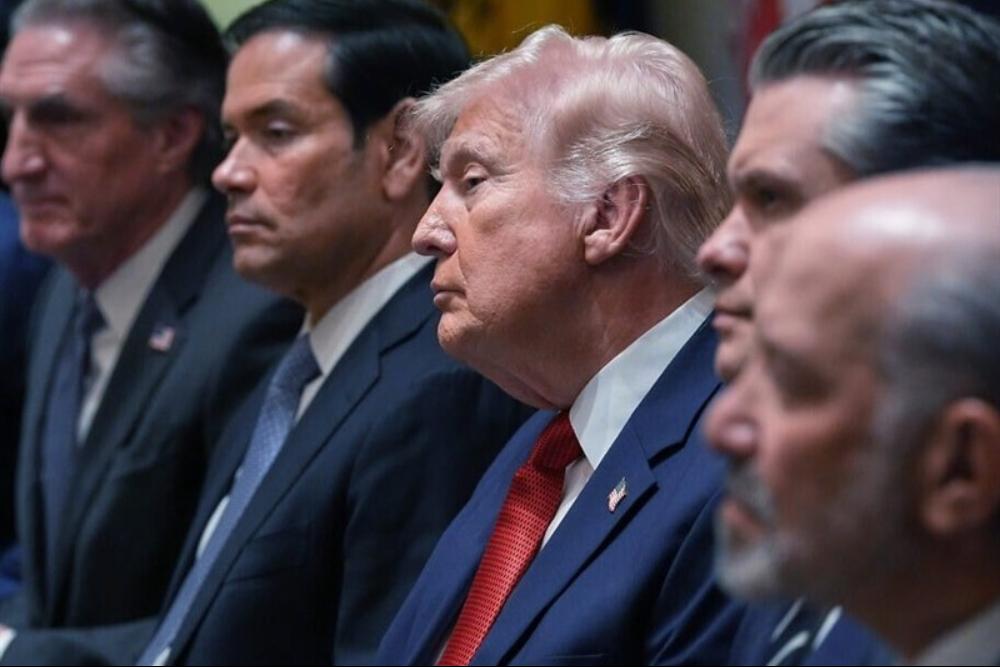
Trump Threatens NATO Exit as He Plans Iran War Victory Speech
25 sources compared

US-Israeli Forces Bomb Natanz Uranium Facility, Iran Retaliates on Dimona
14 sources compared