
Iran Strait Closure Triggers Fuel Crisis Shutting 25,000 Indian Restaurants
Key Takeaways
- Hormuz disruption from Iran war triggers LPG supply crunch in India.
- Cost-of-living crisis across South Asia due to fuel shock.
- LPG shortages drive price spikes and queues in India and Bangladesh.
Widespread Fuel Disruption
The Iran war's closure of the Strait of Hormuz triggered a severe fuel supply crisis across South Asia.
“The Iran war is causing global disruption, and restaurants in India are under threat because of it”
India's Ministry of Petroleum and Natural Gas directed oil refineries to prioritize supplying LPG to households over 3 million businesses.

The National Restaurant Association of India estimated that 25,000 eatery chains were forced to close.
Long queues have been seen across the region as fears of LPG shortages triggered scuffles and protests.
Economic Impact on India
The restaurant industry in India generates an annual turnover of over 5.7 trillion rupees and employs over 8 million people.
The NRAI warned of widespread closures and job losses if LPG supply issues persisted.
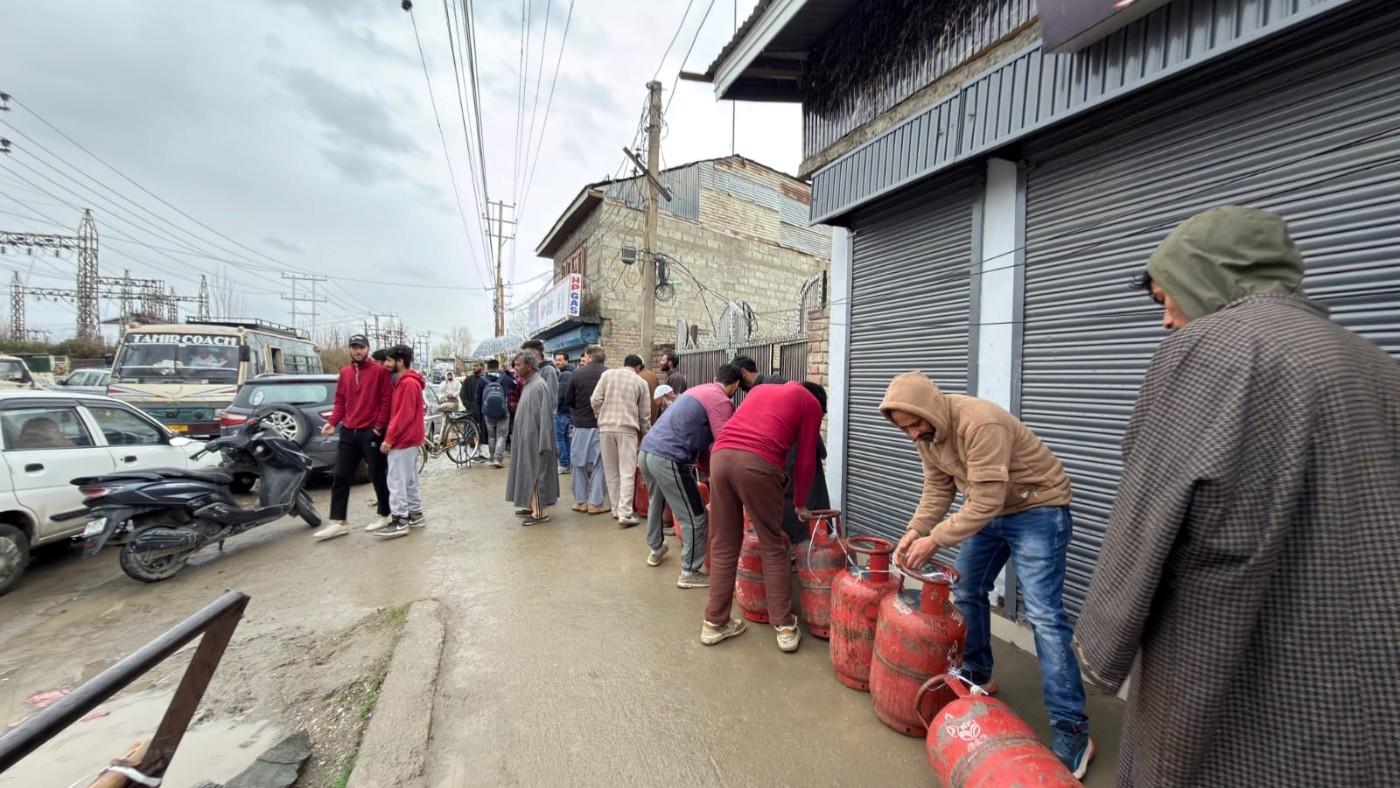
India is the world's second-largest importer of LPG and consumes 31.3 million tonnes annually.
The disruption extended to essential sectors like hospitals and educational institutions.
Regional Ripple Effects
The fuel crisis rippled beyond India across South Asia.
“arrow-down comments printer search bell top-nav right-arrow left-arrow arrow-down”
Vietnam encouraged teleworking and shift reductions.
The World Food Programme warned of escalating hunger risks affecting up to 9 million children.
The regional interdependence of energy supplies turned a Gulf conflict into an economic crisis.
More on Iran

Trump Declares Victory In Iran War, Omits Tens of Thousands Killed
20 sources compared
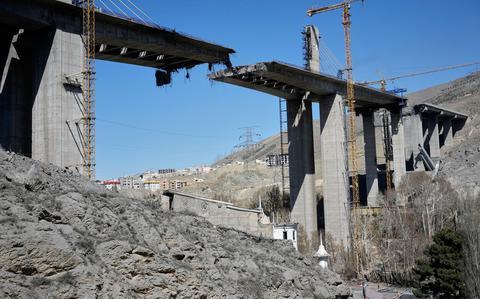
Trump Threatens to Destroy Iranian Bridges, Power Plants in Escalation
23 sources compared
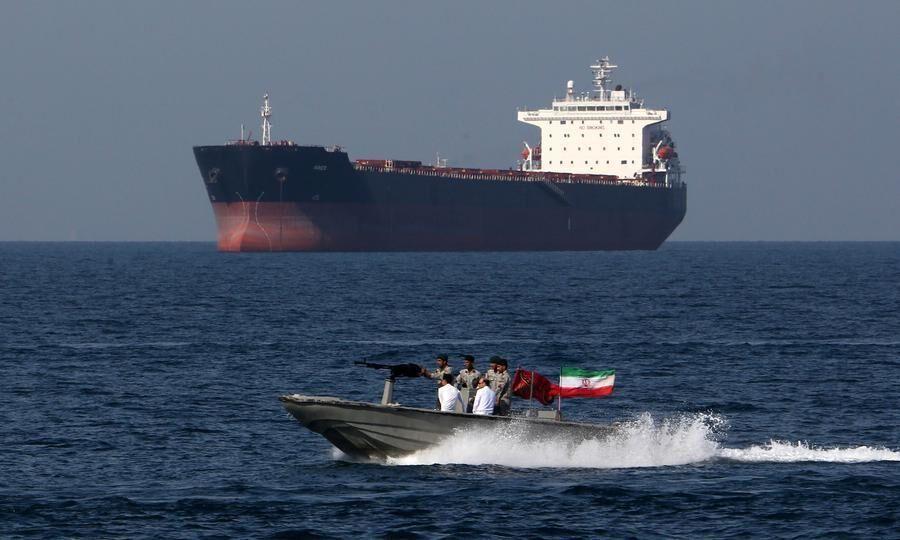
Iran and Oman Draft Strait of Hormuz Protocol to Monitor Ship Transit
12 sources compared

Global Markets Plunge as Trump Announces Iran War Escalation
14 sources compared