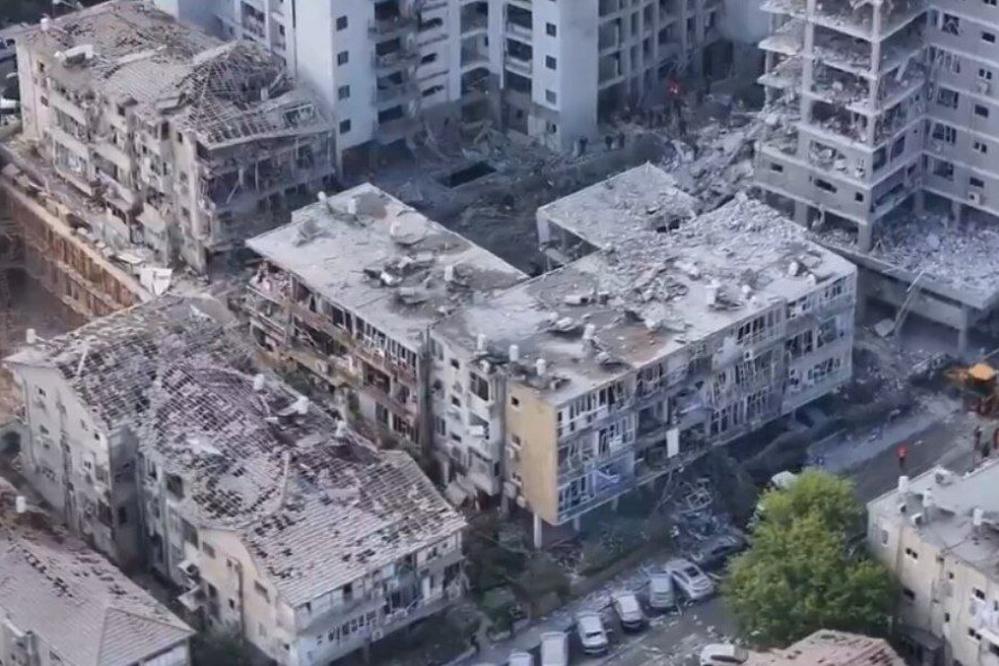
Iran Strikes Israeli Urban Centers; Outlets Diverge on Casualty Totals
Key Takeaways
- Iranian missiles struck central Israel, injuring at least three people.
- Israel reported inbound Iranian missiles and activated anti-missile defenses in major cities.
- US and Israel continued strikes on Iran's missile-launching sites as missiles persisted.
New casualties, urban strikes
NurNews reports that 'three people have been killed and at least 172 others injured' in the Iranian missile attacks.
“Tuesday, 24/03/2026 ArEnFrEs [](http://almanar”
Ynetnews describes a central-Israel strike that 'wounding nine people in Bnei Brak, including six children."

CBS News states that 'Iran and Israel traded strikes late Tuesday into early Wednesday local time.'
NPR notes that Iran 'fired multiple barrages of missiles, including one that hit Tel Aviv.'
South China Morning Post confirms a 'new salvo of missiles towards the country' with defenses active.
Strikes on production, Yazd
Mint states Iran is firing far fewer missiles, 'down to around a dozen a day', but against less-defended targets in Israel and Gulf Arab states.
Mint adds that Tehran’s missiles have delayed more than they have deterred, arguing 'they’ve turned them against less-defended targets in Israel and Gulf Arab states' and that this dynamic prolongs the conflict.
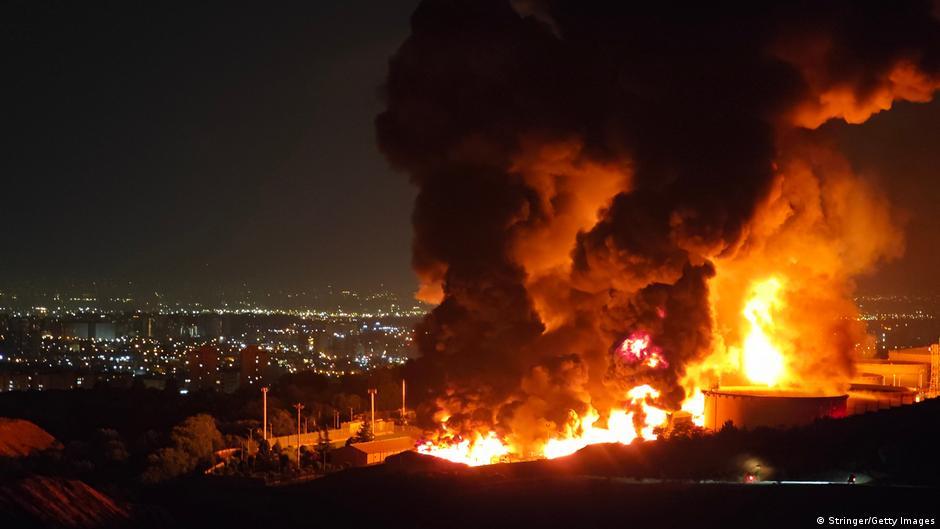
Deutsche Welle recounts Netanyahu’s 'Operation the Lion Has Awakened' framing an assault on Iran’s capacities and cites Iran’s broader claims alongside IAEA context.
CBS News quotes the IDF saying it 'identified missiles launched from Iran toward Israel' and that 'defensive systems are operating to intercept the threat.'
NPR notes the ongoing U.S.-Israel strikes alongside Iran’s missiles, illustrating a continuous external conduct in West Asia.
Oil lanes, dead-ends
CBS News: 'International shipping through the Strait of Hormuz remains gridlocked, leaving energy markets in turmoil.'
“Trump told reporters his special envoy Steve Witkoff and son-in-law Jared Kushner, who had been negotiating with Iran before the war, had held discussions with a top Iranian official into the evening on Sunday and would continue on Monday”
Mint: Iran is firing fewer missiles but against strategically important targets, raising costs for Gulf exporters and the U.S.
South China Morning Post: Iran’s missile arsenal, though dented, remains capable of targeted strikes and is being used more efficiently.
NPR: The conflict is shaping an asymmetric dynamic with missiles continuing to impose costs across the region.
Dialogue amid fire
NPR: 'Pakistan's prime minister... stands ready to facilitate talks between the U.S. and Iran to end the WAR in Middle East.'
CBS News: coverage of diplomatic signals and market responses to the crisis.

نورنيـوز (West Asian): 'significant human and psychological losses among the Zionists.'
De-escalation remains fragile as fronts shift and numbers conflict.
Observers warn that pauses may be temporary as red lines are tested.
Future trajectory
Mint: Tehran’s continued ability to strike fixed targets and impose costs on oil exporters will likely persist.
South China Morning Post: the remainder of Iran’s arsenal can still deliver high-impact strikes in West Asia.

CBS News: the U.S.-Israel effort to degrade Iran’s capabilities continues.
NPR: Tehran’s transition to deep-fire missiles and longer-range platforms complicates victory narratives.
Analysts say a credible diplomatic off-ramp addressing security concerns is essential but currently missing.
More on Iran
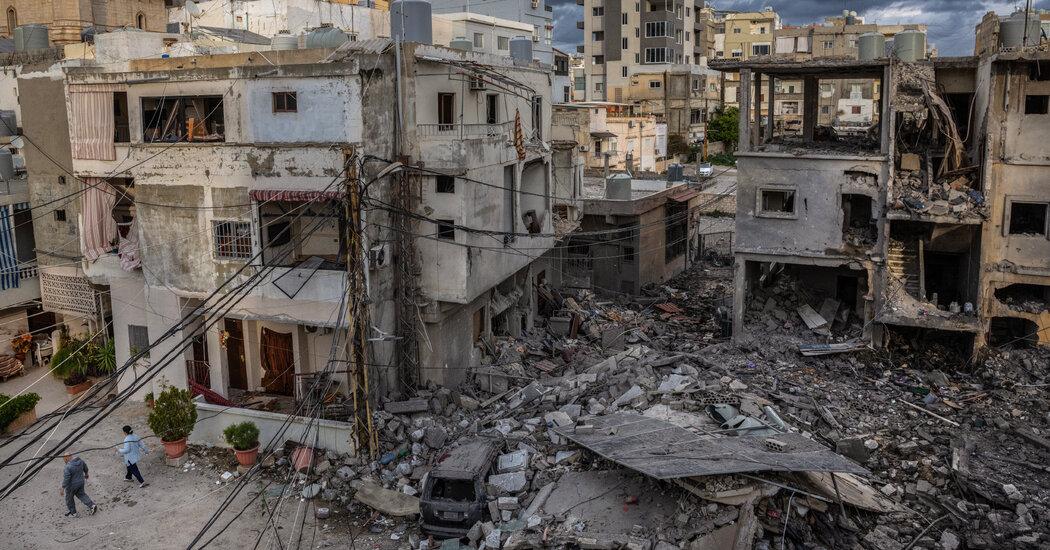
Trump Extends Deadline to April 6, Circulates 15-Point List Demanding Iran Reopen Strait of Hormuz
10 sources compared
Pentagon Weighs Deploying Up To 10,000 Troops And Ground Operations Inside Iran
14 sources compared
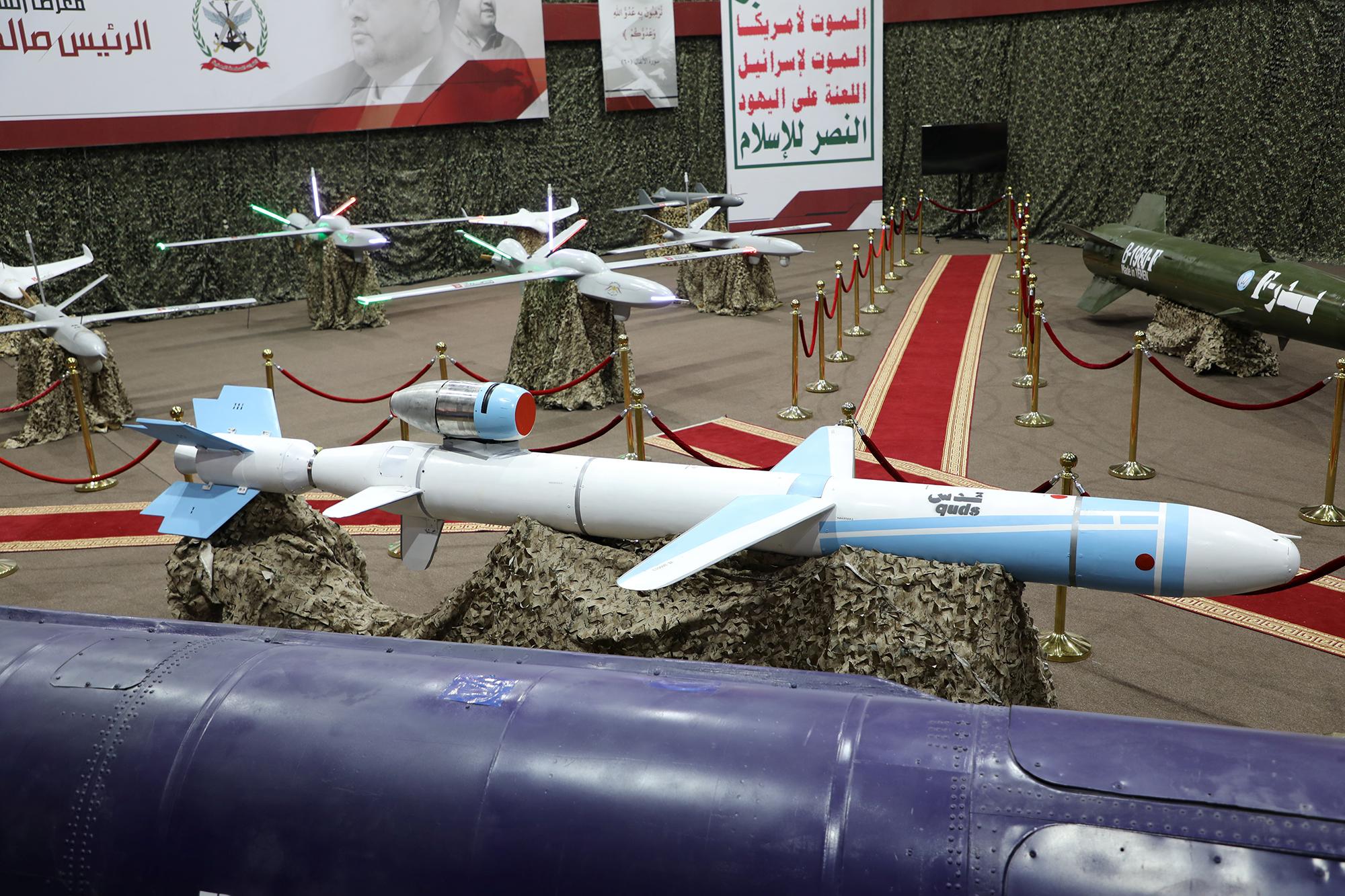
Trump Threatens Ground Invasion, Houthis Pledge Bab Al-Mandeb Offensive
10 sources compared

Trump Extends 10-Day Deadline to Strike Iran's Energy Infrastructure, Deploys 2,000 82nd Airborne
18 sources compared