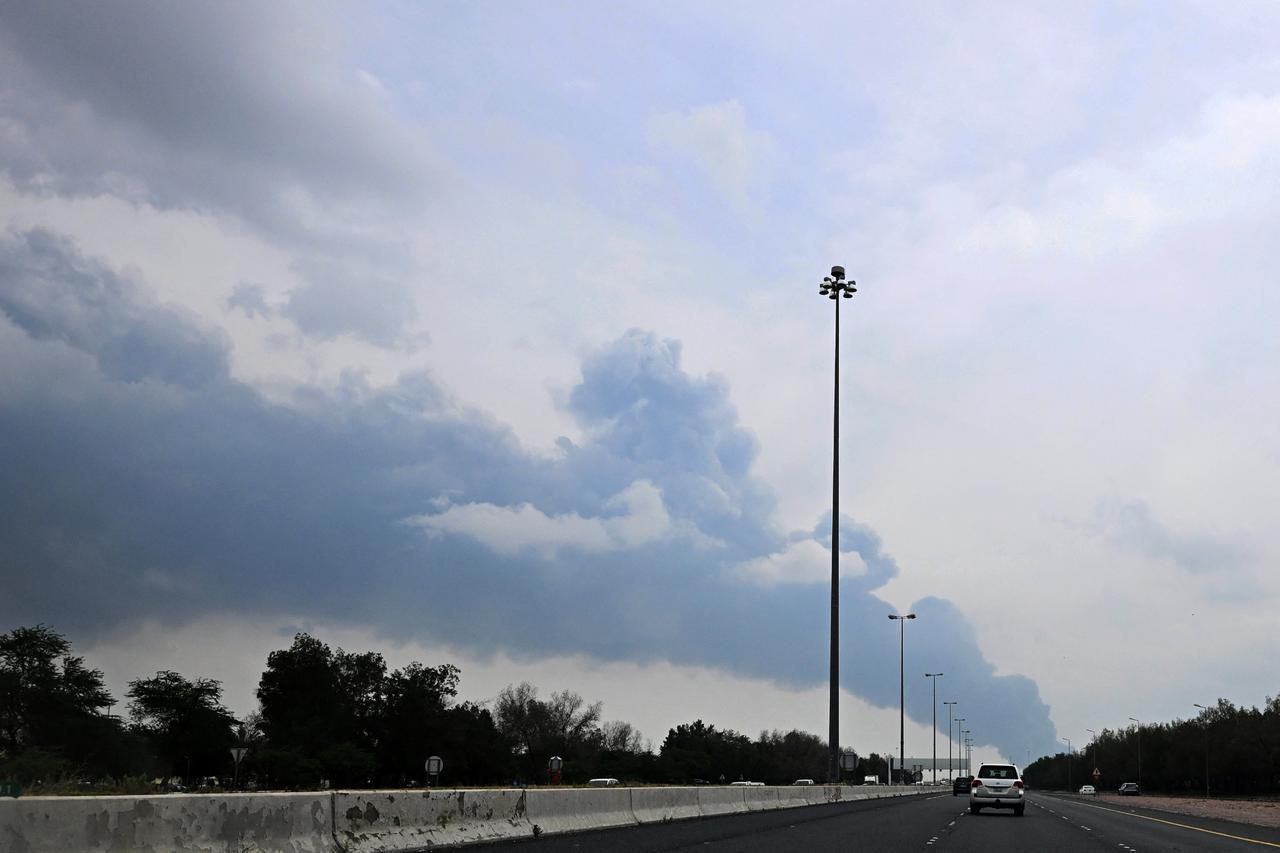
Iran Strikes Kuwait Airport With Drones, Damages Radar And Fuel Storage
Key Takeaways
- Iranian drone strikes targeted Kuwait International Airport in multiple incidents.
- Radar system at Kuwait International Airport was damaged.
- No casualties reported at Kuwait International Airport.
New escalation: Kuwait radar damage
The single most important new development this weekend is that Kuwait International Airport’s radar system has been damaged by Iranian drone strikes, signaling a widening of Tehran’s campaign into Gulf states hosting U.S. forces.
“BREAKING Iran threatens retaliatory attacks on US-Israeli universities in the regionYemen's Houthis launch second missile attack on IsraelAluminium Bahrain and Emirates Global Aluminum report damage to facilities Click to pause breaking news tickerpause-square-backgroundClose Breaking News Tickerclose Toggle Play Kuwait airport hit by Iranian drone strikes Thick, black smoke rose from Kuwait International Airport Saturday after suspected Iranian drone strikes damaged radar systems and fuel storage facilities, state media said”
Al Jazeera described the attack as Kuwait International Airport being subjected to several drone attacks on Saturday, with radar systems and fuel storage facilities damaged.

The outlet added that there were no fatalities reported.
Other regional outlets corroborate the move as part of a broader surge of strikes against Gulf infrastructure connected to Iran’s campaign in West Asia.
Actors and attribution
Iran and its proxies are identified as the initiators of the strikes, signaling a shift toward Gulf targets beyond Israel.
The Jerusalem Post notes that Iran's Islamic Revolutionary Guard Corps claimed the attack targeted a US support vessel in the broader Gulf.

India Today emphasizes that authorities blamed Iran, its proxies, and allied armed groups for the strikes.
Türkiye Today adds that Kuwait has blamed Iran for the attacks.
The Times of India frames the expansion as part of a broader Iranian aerial campaign beyond Israel toward Gulf states hosting U.S. military installations.
Operational impact on Gulf airways
The strikes have tangible operational effects, notably damaging Kuwait’s radar and raising the prospect of aviation disruptions in a key Gulf hub.
“Drone and missile attacks continued to strike the Gulf over the weekend, targeting critical infrastructure in Kuwait, Oman, and the UAE, while also wounding US troops in Saudi Arabia”
Al Jazeera notes the radar damage alongside reports of no fatalities.
The Jerusalem Post states the attack caused no injuries at Kuwait’s airport.
Türkiye Today and The Times of India emphasize that the broader Gulf airspace and commercial flights face disruption as the region’s security picture sharpens.
Diverging narratives
Framing across outlets shows a shared attribution to Iran while diverging on emphasis about scope, context, and consequences.
Al Jazeera highlights the pattern of repeated targeting in Kuwait as part of the unfolding US-Israel–Iran confrontation.

Türkiye Today underscores the commercial and aviation fallout, noting flight suspensions.
The Jerusalem Post presents a Gulf-wide pattern of drone and missile strikes affecting Kuwait, Oman, and the UAE.
India Today and The Times of India stress that the strikes fit into a wider Iranian aerial campaign extending beyond Israel into Gulf Arab states.
Context and forward look
Context and implications remain uncertain in several respects, but the Kuwait radar damage signals a potential shift in how the West Asia conflict could affect regional security, aviation, and commercial traffic.
“Multiple drone attacks targeted Kuwait’s international airport, causing significant damage to the airport’s radar system, Kuwait’s Civil Aviation Authority said Saturday”
Al Jazeera frames the event within a longer pattern of attacks on Kuwait as the broader confrontation unfolds.
The Jerusalem Post records a Gulf-wide set of strikes implicating Iran.
The Times of India and Türkiye Today point to continued aviation disruption and a broader Iranian campaign across the region.
As the region absorbs another strike on critical infrastructure, policymakers and industry players will closely watch for any retaliatory actions or shifts in flight operations and security postures.
More on Iran

Iran Allows 20 Pakistani-Flagged Ships Through Strait Of Hormuz
14 sources compared
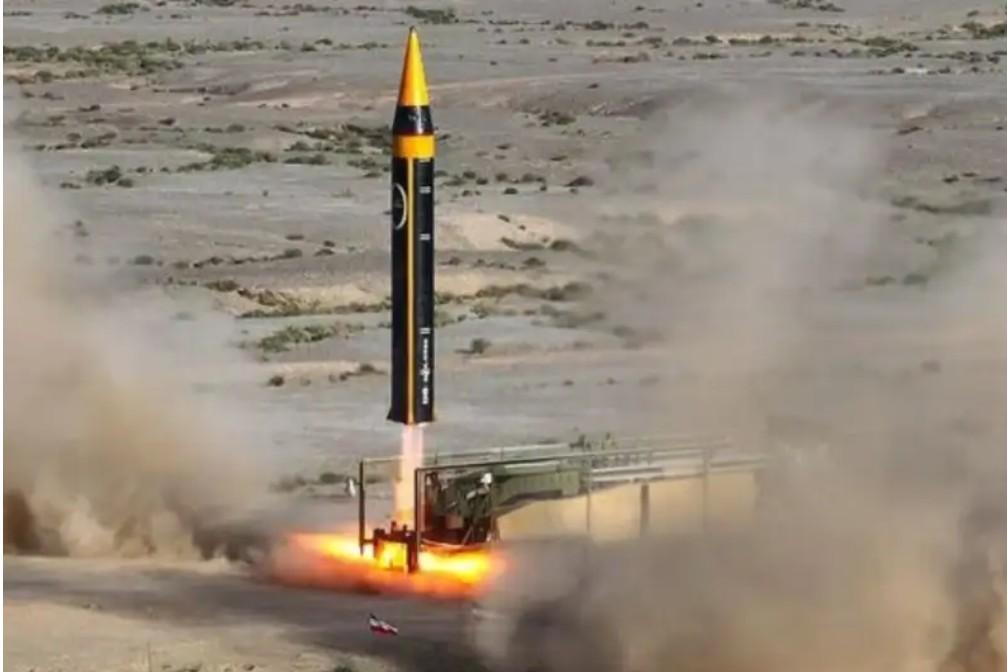
Houthis Formally Enter Iran-Israel War By Firing Missiles And Drones At Israel
16 sources compared

Houthis Launch First Missiles At Israel, Joining Iran War And Threatening Red Sea Routes
75 sources compared

Pentagon Plans Weeks-Long Ground Operations In Iran
21 sources compared