Iran Strikes Prince Sultan Air Base, Damaging U.S. KC-135 Tankers
Key Takeaways
- Iranian missiles struck Prince Sultan Air Base, targeting USAF KC-135 tankers.
- Satellite imagery showed damage and possible destruction of multiple KC-135s on the flight line.
- Reports vary on number of destroyed aircraft, from one to three.
Prince Sultan strike: KC-135 damaged/destroyed
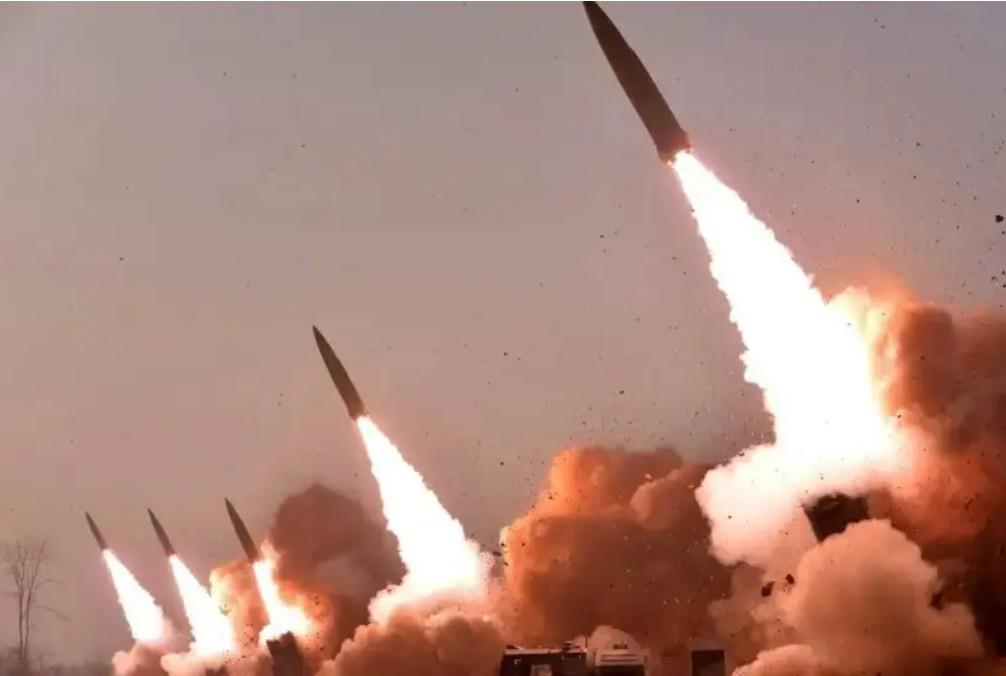
Iranian missiles and drones struck Prince Sultan Air Base in Saudi Arabia, according to reports.
“An American F-35 fighter jet made an emergency landing at an air base in the Middle East after coming under an attack believed to be Iranian”
Satellite imagery published March 27 shows signs of damage on an apron used by U.S. aircraft at Prince Sultan Air Base.
The Wall Street Journal, cited by Western outlets, reports that Prince Sultan Air Base was hit by an Iranian missile, “damaging several U.S. refueling aircraft.”
Iranian claims and independent assessments alike emphasize the base’s role as a pivotal hub for U.S. aerial refueling, with reporting suggesting damage to KC-135 assets and possible injuries among U.S. personnel.
IRGC True Promise 4 wave-by-wave
The IRGC announced it conducted Wave 84 of Operation True Promise 4, a joint missile-and-drone operation against regional targets.
PressTV described the operation as destroying anti-missile defenses and penetrating Al-Kharj with missiles and drones to strike the refueling/air-support fleet.
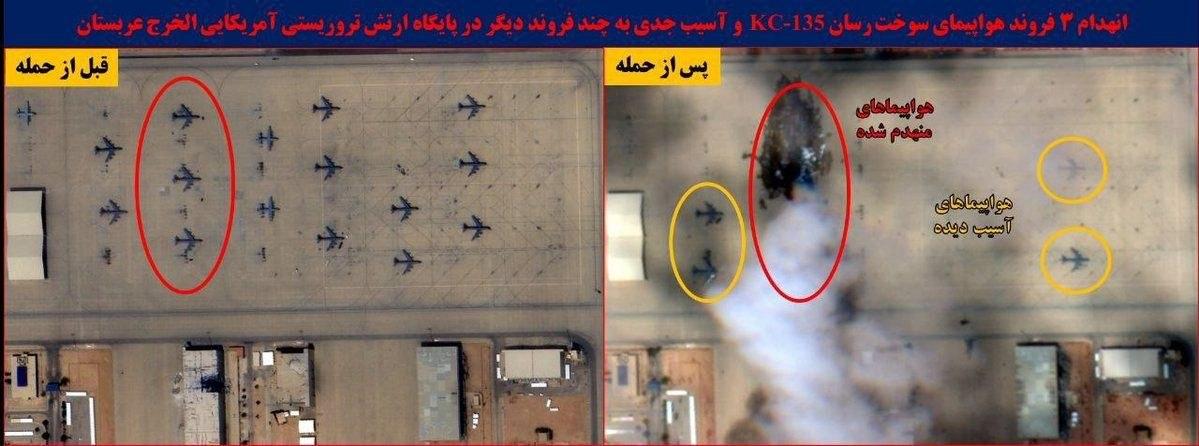
WANA News Agency and Nournews similarly frame Wave 84 as part of a broader ‘True Promise 4’ campaign with IRGC Aerospace Force participation and Navy support.
Other IRGC-linked outlets emphasize additional waves, including the 65th targeting Haifa/Ashdod and the 75th wave under the codename O Fatima Al-Zahra (AS).
Casualties and attribution cautions
The Aviationist notes that, per the Wall Street Journal, several U.S. servicemembers were injured in the strike on Prince Sultan.
“(DEFENCE SECURITY ASIA) — Commercial satellite imagery released on March 27 has transformed a previously disputed Iranian strike against Prince Sultan Air Base into one of the most strategically consequential episodes of the expanding United States-Iran confrontation”
Aviacionline adds that, according to U.S. officials, there were ‘no fatalities’ reported and some aircraft are undergoing repairs.
Defence Security Asia highlights that, if verified, the apparent loss of multiple tanker aircraft would represent one of the most damaging single attacks against American airpower infrastructure in Saudi Arabia.
Milіtarnyi corroborates the broader pattern of equipment losses and damages to U.S. tankers, citing reports of multiple damaged aircraft and even a loss of one KC-135 on a separate line of reporting.
Regional context and framing
Agenzia Nova notes that Netanyahu called for alternate routes to the Strait of Hormuz, underscoring regional energy-security concerns amid ongoing hostilities.
Muslim Mirror frames the strikes as retaliation against Zionist and American forces, tying them to a broader axis of resistance.

WANA highlights the continuation of IRGC-led operations against regional centers of threat.
Nournews details strikes on Haifa/Ashdod refineries and Al-Kharj as part of the 65th wave.
Strategic implications for Gulf logistics
The incident compounds the vulnerability of U.S. airpower in the Gulf by threatening one of its most critical enablers—tankers that sustain operations.
“The Islamic Revolution Guards Corps (IRGC) announced that it has successfully destroyed a number of US refueling vehicles and their logistical support fleet during the 84th wave of Operation True Promise 4”
Aviacionline underscores that KC-135s are essential for sustaining air operations in the Middle East; even limited damage degrades logistics, ISR, and command-and-control capabilities.
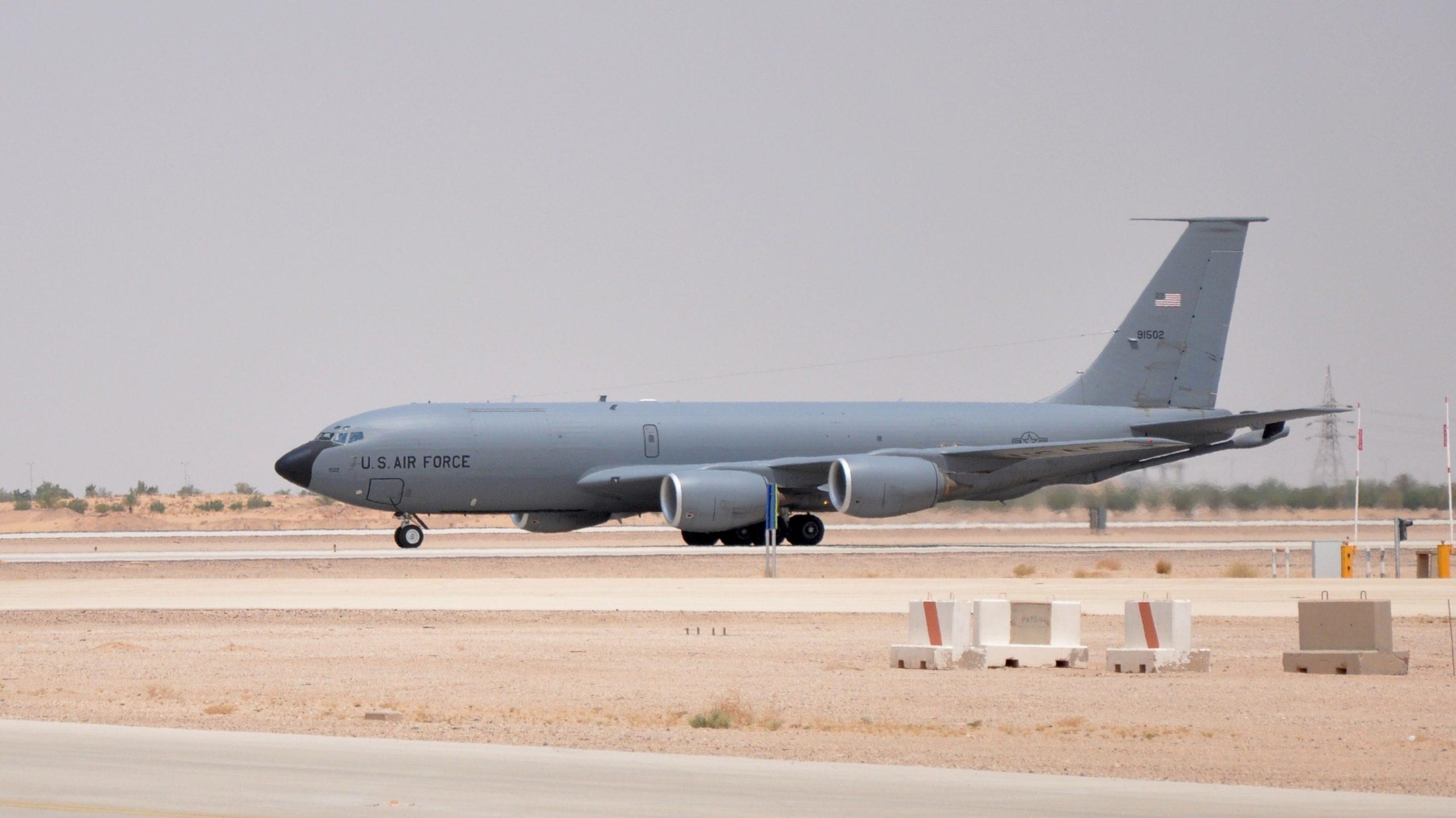
Defence Security Asia highlights the strategic consequence of the imagery suggesting tanker damage.
Milіtarnyi describes the broader attritional logic of Iran’s campaign—targeting critical nodes to degrade logistics and command‑and‑control networks.
Nournews and IRGC-linked outlets emphasize the campaign as defending Iran’s sovereignty and expanding regional influence.
More on Iran

Iran Allows 20 Pakistani-Flagged Ships Through Strait Of Hormuz
14 sources compared
Houthis Formally Enter Iran-Israel War By Firing Missiles And Drones At Israel
16 sources compared
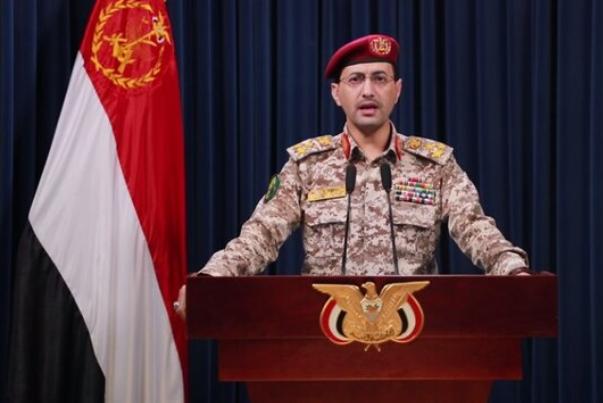
Houthis Launch First Missiles At Israel, Joining Iran War And Threatening Red Sea Routes
75 sources compared

Pentagon Plans Weeks-Long Ground Operations In Iran
21 sources compared