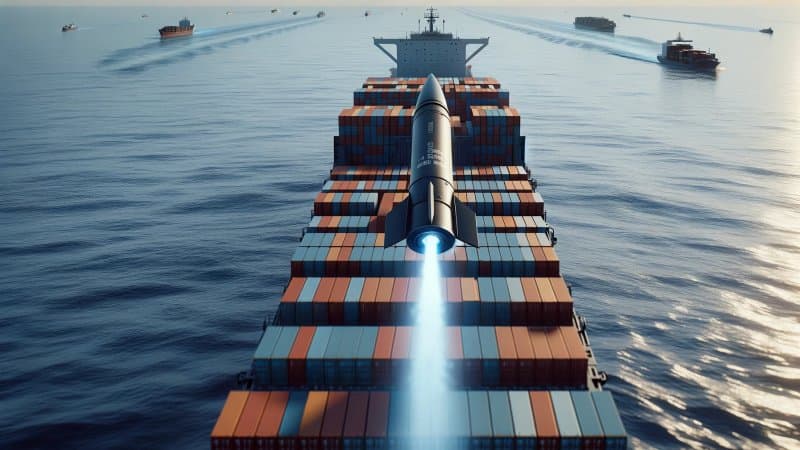
Iran Strikes Thai Cargo Ship in Strait of Hormuz Amid Fresh Middle East Attacks
Key Takeaways
- Three commercial vessels were struck in and around the Strait of Hormuz.
- Thai-flagged Mayuree Naree hit; 20 crew rescued and three crew missing.
- Some outlets blamed Iran for the strikes, while security alerts reported 'unknown projectiles'.
Attacks and crew status
Multiple commercial vessels were struck by unknown projectiles in and around the Strait of Hormuz on March 11, including a Thailand-flagged bulk carrier that caught fire and later had most of its crew rescued, while three crew members remain missing and are believed trapped in the engine room.
“The ship, identified as the Mayuree Naree, sustained significant damage following the attack”
Maritime security monitors and national authorities reported at least three ships damaged — under Thai, Japanese and Marshall Islands flags — with evacuations and Omani rescue efforts bringing sailors ashore as investigations continue.

Reports variously identified the Thai ship as the Mayuree Naree and said rescued crew were taken to Khasab, Oman, while causes and perpetrators of the strikes remain under inquiry.
Iran's stated rationale
Iran’s military and Revolutionary Guards’ spokesmen framed the strikes and wider maritime campaign as deliberate measures against vessels linked to the United States, Israel or their allies, explicitly warning that ships carrying oil to those states would be considered legitimate targets and asserting they would block any oil shipments they deem hostile.
Tehran’s commanders voiced a policy of denying oil flows to perceived adversaries, with state and IRGC statements repeatedly invoking the pledge to prevent even "one liter" from transiting while attacks on Iran continue.

U.S. military response
The incidents came after the United States publicly reported striking multiple Iranian naval vessels near the Strait of Hormuz, including what it described as 16 mine-laying craft, and followed public warnings from U.S. leaders that Iran would face severe consequences if it placed mines in the waterway.
“On the 12th day of the US–Israel war against Iran, the maritime domain, particularly the Strait of Hormuz, clearly emerged as the principal flashpoint, shaping both the military trajectory of the war and the strategic calculations of the US as the contest over oil flows and shipping lanes began to define the central logic of the conflict”
U.S. Central Command and Pentagon officials said they had taken out suspected minelayers and urged civilian vessels to avoid ports where Iranian naval forces are operating, while U.S. political leaders used forceful rhetoric on social media and in statements.
Shipping and market impact
The attacks and military exchanges have sharply disrupted commercial traffic through the Strait of Hormuz — a chokepoint that normally carries roughly one fifth of the world’s oil — prompting shipping to pause, raising insurance and rerouting costs, and driving energy markets higher as traders reacted to the spike in regional risk.
Multiple outlets reported halts or near-collapse of normal transits, noted that some tankers have attempted to change flags, and recorded immediate market responses such as a >5 percent jump in oil prices on March 11.

Perpetrator unknown; probes
Responsibility for the projectile strikes remains officially unclaimed in public reporting and investigators have not released conclusive findings; multiple outlets emphasised the unknown origin of the strikes, ongoing probes by maritime and national authorities, and warnings from UKMTO and other monitors to ships to transit with caution.
“US warns Iranians to flee ports along Strait of Hormuz U”
Security firms and national officials also recorded a growing number of maritime incidents since the US–Israel campaign against Iran began, while several outlets warned that even intermittent attacks or mine threats could be enough to keep insurers and commercial operators from restoring normal passage.

More on Iran
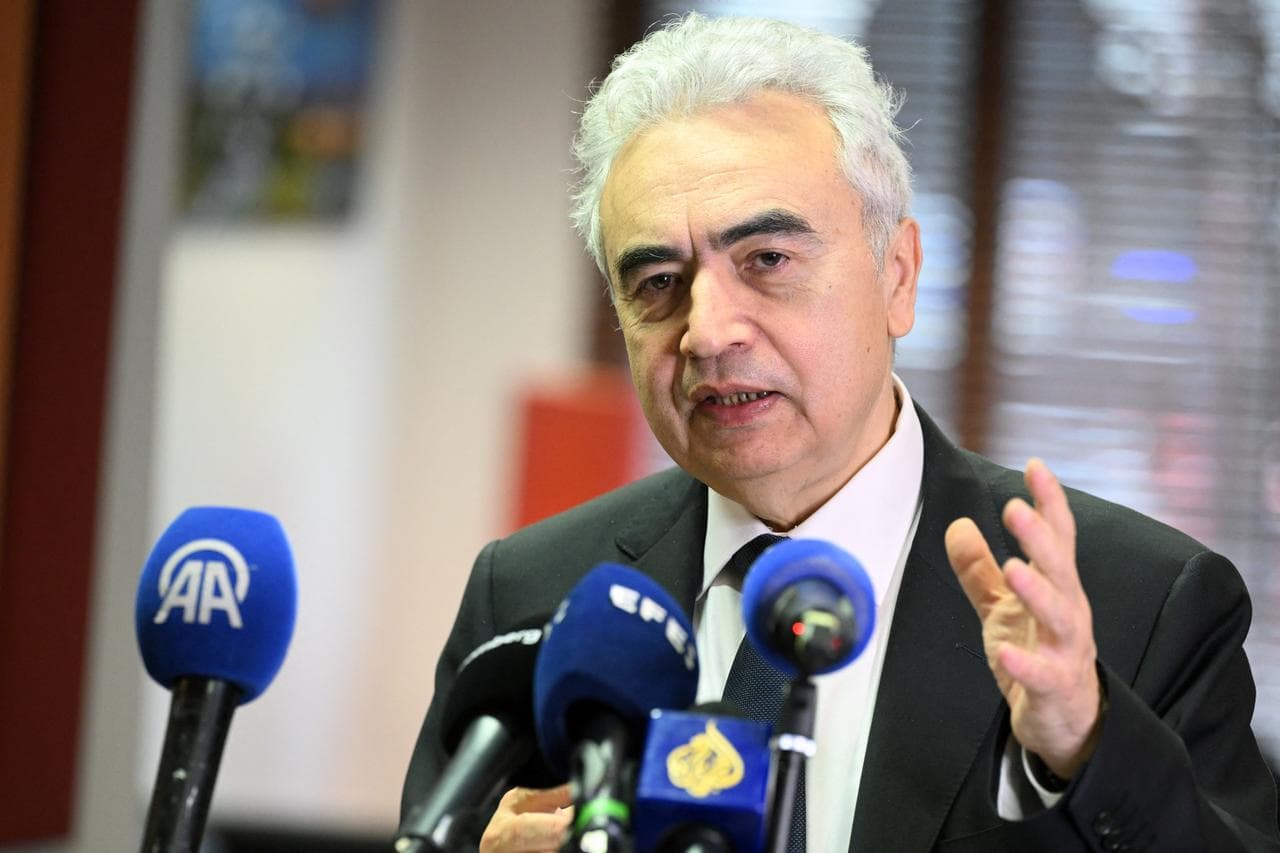
IEA Announces Up to 400M-Barrel Release to Avert Oil Spike Amid Middle East War
11 sources compared

IEA Proposes Up To 400 Million Barrel Release; Member Countries Say They Already Agreed
20 sources compared
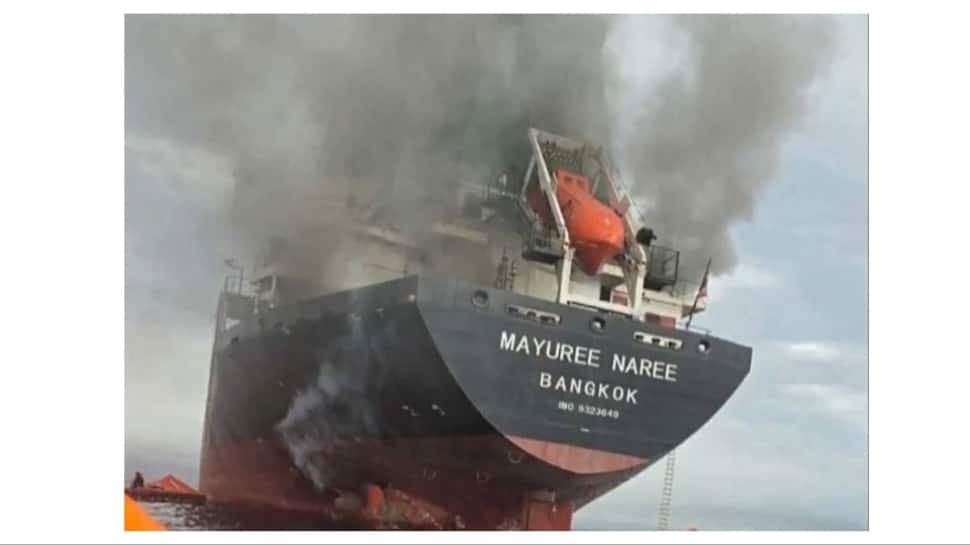
IRGC Attacks Thai Cargo Ship in Strait of Hormuz; 20 Rescued, Three Crew Missing
11 sources compared
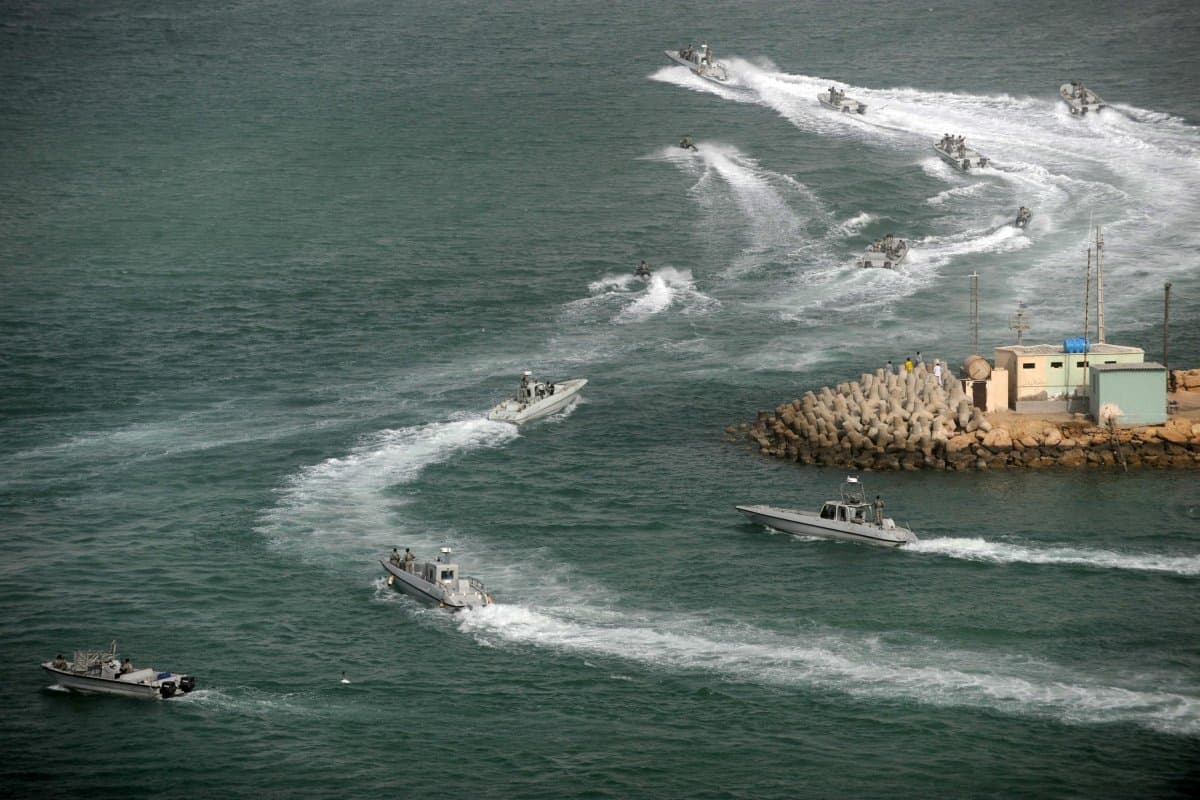
IRGC Fires At Thai-Flagged Ship, Sets Cargo Vessel Ablaze In Strait Of Hormuz
11 sources compared