Iran03 March, 20264 min read
Iran Strikes U.S. Embassy in Riyadh With Drones
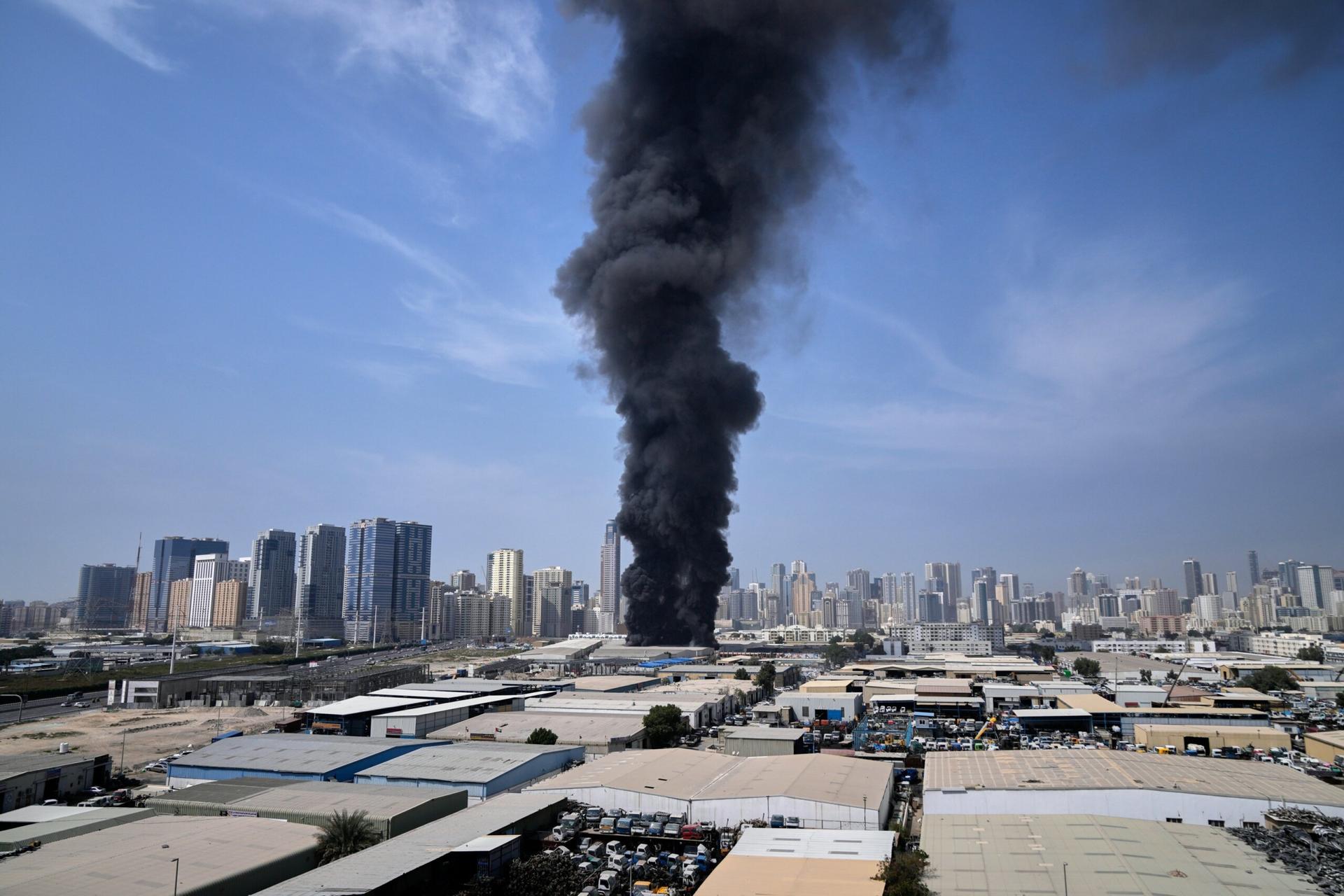
Iranian drones struck the U.S. embassy in Riyadh, Saudi Arabia Two drones hit the embassy, causing a 'limited' fire, Saudi defence ministry said
22 outlets told this the same way.
Riyadh embassy drone strike
Saudi authorities said two Iranian drones struck the U.S. Embassy compound in Riyadh, causing a small, contained fire and minor material damage but no injuries.
“Saudi authorities said two Iranian drones struck the US embassy compound in Riyadh Monday evening, causing a small, contained fire and minor material damage but no injuries.”
Multiple outlets placed that strike within a broader wave of Iranian attacks and counterstrikes across the region.

UNILAD reported that Saudi authorities said two Iranian drones struck the US embassy compound in Riyadh Monday evening, causing a small, contained fire and minor material damage but no injuries.
WHEC noted that Iran launched strikes across the region, including a drone strike on the U.S. Embassy in Riyadh.
PBS summarized that the exchanges included an assault on the U.S. Embassy in Riyadh that caused a small fire and minor damage.
The Palestine Chronicle recorded Reuters reporting of a fire at the U.S. Embassy in Riyadh after an explosion.
Campaign against Iran
U.S. and Israeli officials framed the operations as part of a larger campaign aimed at degrading Iran's missile, naval and nuclear capabilities and warned of further escalation. U.S. leaders signaled the campaign could be protracted. UNILAD reported that "the US and Israel's campaign against Iran entered its fourth day, with US officials warning 'the hardest hits are yet to come,'" and cited President Trump's vow that "you'll find out soon."
PBS quoted President Trump saying U.S. operations will likely last "four to five weeks" and could go longer. CBS summarized U.S. officials calling the campaign the "last best chance" to address Iran's ballistic-missile and nuclear threats. Al Jazeera also noted that "US and Israeli leaders have warned of further escalation."
Gulf and Levant strikes
The strikes and counterstrikes rapidly spread across the Gulf and Levant, disrupting energy infrastructure, prompting air-defense engagements, and forcing diplomatic and travel changes. PBS detailed a direct hit to energy systems, saying Qatar reported its air force shot down two Iranian bombers, QatarEnergy halted liquefied natural gas production indefinitely, and Saudi defenses intercepted drones aimed at the Ras Tanura refinery. Al Jazeera reported that Qatar intercepted dozens of missiles and drones but reported hits at Al Udeid air base and temporarily halted LNG production.
“Gulf energy infrastructure was directly affected: Qatar said its air force shot down two Iranian bombers and QatarEnergy halted liquefied natural gas production indefinitely; Saudi defenses intercepted drones aimed at the Ras Tanura refinery. European natural gas prices jumped about 40%.”
WHEC added that a drone attack on Fujairah's oil industry zone in the UAE was intercepted. CBS said the conflict disrupted travel and shipping, including attacks on several ships in the Strait of Hormuz, and prompted the State Department to urge U.S. citizens to leave more than a dozen Middle Eastern countries. Palestine Chronicle highlighted that attacks have struck embassies, oil routes and capitals across the region.
Conflicting casualty reports
Reported casualty figures from the exchanges are inconsistent and contested across different authorities and monitoring groups, producing widely varying tolls and disputed claims. WHEC and Al Jazeera cited Iran's Red Crescent and state media putting Iran's death toll at about 787. WHEC said Iran's Red Crescent reported at least 787 people in Iran killed by U.S. and Israeli airstrikes since the war began.
UNILAD relayed HRANA's reporting of about 742 civilians killed, including 176 children. CBS noted that Iranian casualty figures are inconsistent, with reports ranging from about 555 to 787 deaths, and that Iran's Red Crescent and state media gave differing totals. The Palestine Chronicle reported the IRGC's claim that US casualties have reached 650 killed and wounded.

Al Jazeera recorded state-media assertions including a reported strike on a girls' school that killed at least 165, and that state media also claimed Supreme Leader Khamenei was among the dead. These disparate and sometimes controversial reports highlight the degree of conflicting and unverified reporting.
Regional conflict escalation
The fighting spilled beyond Iran’s borders into Lebanon, Cyprus, Kuwait and other theaters, with missile and drone exchanges, strikes on media and military sites, and reports of U.S. and allied casualties and damage.
“Hezbollah fired missiles at Israel from Lebanon, prompting Israeli retaliation; Israel says one of its divisions is operating inside southern Lebanon and has taken up strategic positions near the border.”
WHEC reported that “Hezbollah fired missiles at Israel from Lebanon, prompting Israeli retaliation,” and that “Israel struck a building in a Beirut suburb housing Hezbollah’s Al-Manar TV and radio, causing heavy damage and temporarily interrupting broadcasts.”
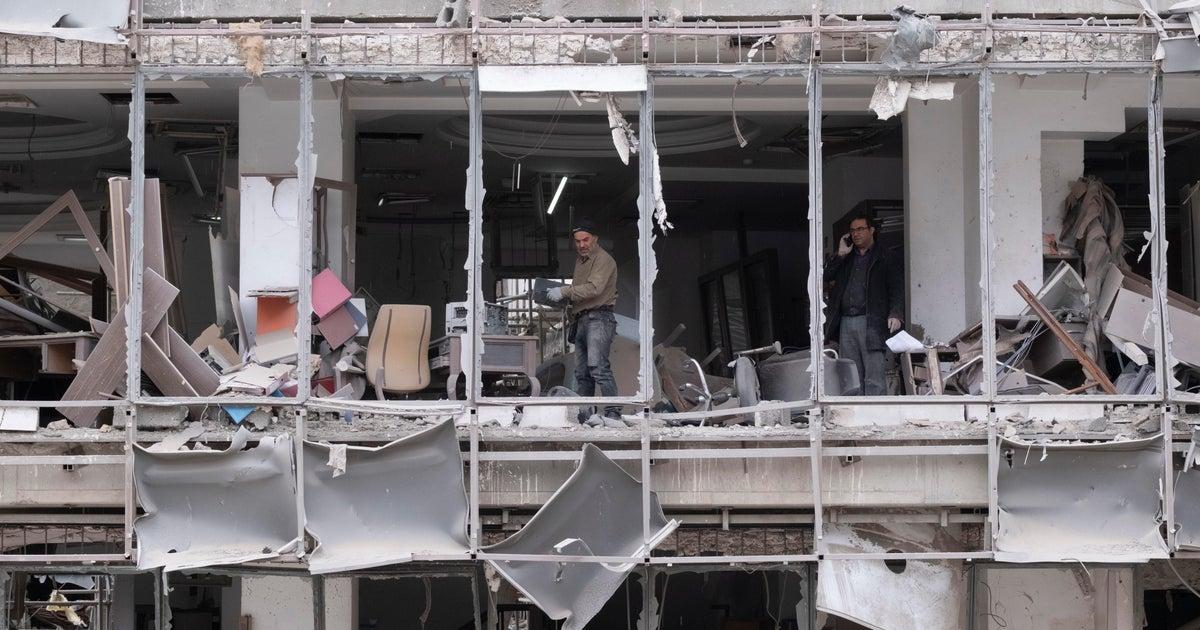
PBS noted that “Kuwait mistakenly shot down three U.S. F‑15E jets; all six pilots ejected and were reported in stable condition.”
CBS said “U.S. Central Command said dozens of American service members were wounded; multiple U.S. service members were killed in an attack on a tactical operations center in Kuwait” and that Iran reported strikes on bases such as Kerman with casualties.
Al Jazeera placed strikes inside Tehran — “key sites in Tehran — including the IRIB broadcasting complex and the UNESCO‑listed Golestan Palace” — within the broader US‑Israeli campaign aimed at degrading Iran’s military and nuclear/missile capabilities.
These multiple, overlapping reports show a conflict that has rapidly expanded and produced contested accounts of damage and casualties outside Riyadh as well as within Iran.