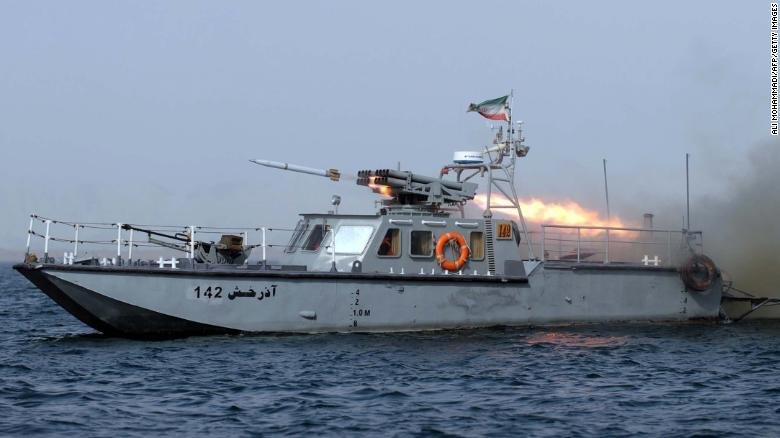
Iran Threatens To Attack US Navy Destroyers Transiting Strait Of Hormuz
Key Takeaways
- Iran threatened to attack U.S. warships transiting the Strait of Hormuz.
- Two U.S. destroyers transited Hormuz to begin mine clearance, CENTCOM confirms.
- Iran denies U.S. ships crossed Hormuz, saying no crossing occurred.
US Navy Clears Hormuz
Two U.S. Navy destroyers transited the Strait of Hormuz, marking the first American warships to pass since the conflict began.
“Some comment here on the current situation, from authors: Saleem Khan, Pole Star Global & Arsenio Longo, Founder of HUAX Iran’s threat to “target and destroy” ships transiting the Strait of Hormuz without permission has turned what looked like a two‑week breathing space into a highly unstable experiment”
CENTCOM said additional forces including underwater drones will join in the coming days.

President Trump framed the operation as doing a favor to countries all over the world.
Iran's Revolutionary Guards threatened to deal severely with any military vessels transiting the strait.
The transit was described as a freedom-of-navigation mission, not escorting commercial ships.
Iran warned that if the vessel continued to move, it will be targeted within 30 minutes.
Mine Threat and Clearing
Iran's IRGC issued a map showing a danger zone littered with sea mines in the Strait of Hormuz.
Iran is believed to have more than 5,000 mines stockpiled.

U.S. officials suspect Tehran deployed about a dozen Maham 3 and Maham 7 sea mines.
The Strait of Hormuz is about 167 kilometers long and can be as narrow as 39 kilometers.
The mine threat forced a near-complete obstruction of the strait for weeks.
Ceasefire and Negotiations
The transit came as the U.S. and Iran began direct negotiations in Pakistan.
The talks marked the first face-to-face contact since 1979.
The White House insisted Tehran forgo further enrichment of uranium and end support for non-state actors.
Iran demanded a comprehensive end to the Middle East conflict and recognition of its right to enrichment.
The Israeli leadership remained skeptical of any deal that would leave the Iranian regime intact.
The ceasefire remained fragile, with strikes continuing after the announcement.
Shipping and Economic Impact
More than 800 vessels remained stranded in and around the Gulf.
Analysts warned the global oil supply would be affected even if the ceasefire holds.

Henning Gloystein said shipping companies would need at least two months to resume operations.
The blockade had pushed up energy prices.
Iran was reportedly seeking to slap a $2 million toll on each oil tanker.
More on Iran
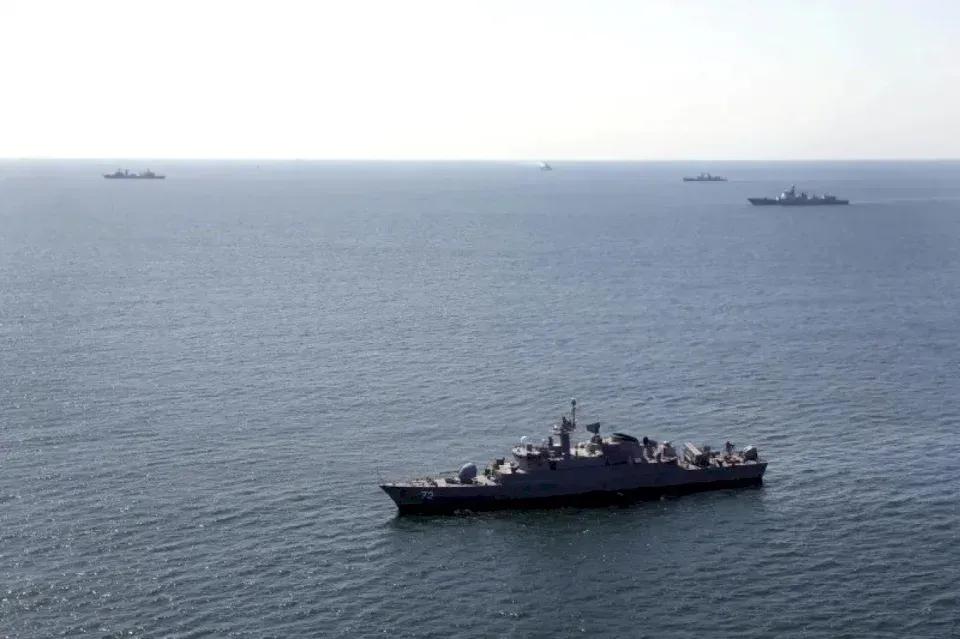
US Navy Begins Naval Blockade of Iranian Ports in Strait of Hormuz
22 sources compared

Iran Rejects US Demand To Halt Uranium Enrichment In Failed Islamabad Talks
18 sources compared

Trump Attacks Pope Leo XIV as Weak Amid Iran War Criticism
32 sources compared

Turkey Accuses Netanyahu of Seeking to Declare It Israel’s New Enemy
13 sources compared