
Iran Threatens UAE Ports, Urges Evacuation as US Strikes Kharg Island
Key Takeaways
- US strikes on Kharg Island hit military targets and missile storage facilities.
- Iran warns of retaliation, threatening UAE oil infrastructure.
- UAE ports evacuated warnings issued as regional tensions escalate.
US Kharg Island Strike
The United States launched a major military strike against Iran's strategic Kharg Island, destroying over 90 military targets while deliberately sparing the island's vital oil infrastructure.
According to US Central Command, the precision strike hit naval mine storage facilities, missile storage bunkers, and other military sites, with President Trump declaring that American forces had "totally obliterated every MILITARY target in Iran's crown jewel, Kharg Island."
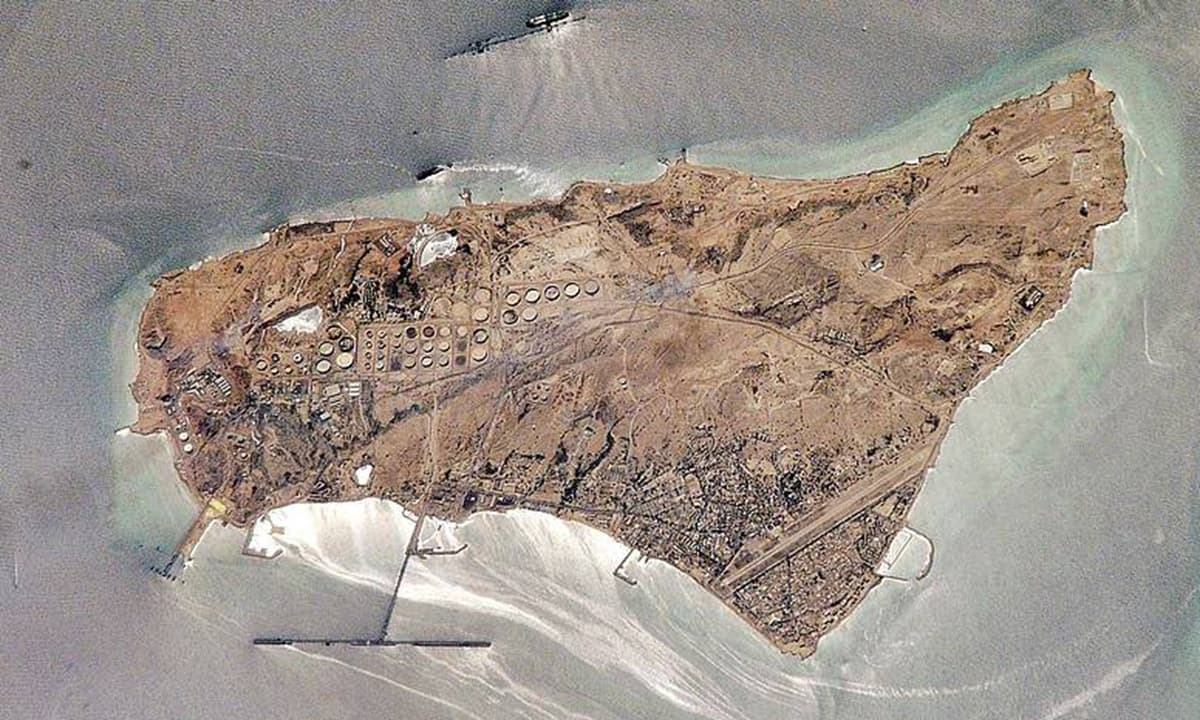
Trump emphasized that he chose not to target the oil infrastructure "for reasons of decency," but warned he would "immediately reconsider this decision" if Iran continued interfering with ships passing through the Strait of Hormuz.
Iranian state media confirmed that oil export operations were continuing normally and that no oil infrastructure was damaged in the attack, with Ehsan Jahaniyan, deputy governor of Iran's southern Bushehr province, reporting no casualties among military personnel, company employees or island residents.
Iran Threatens UAE
In response to the US strikes, Iran's Islamic Revolutionary Guard Corps (IRGC) issued direct threats against United Arab Emirates ports and military facilities, declaring that US military positions in the UAE were "legitimate" targets.
An official from the Khatam-al Anbiya central headquarters ordered UAE residents to evacuate "ports, docks and locations where U.S. forces are sheltered in UAE cities," warning that Iran would strike "the source of American enemy missile launches."
The IRGC statement specifically named US "hideouts" in UAE cities as targets, claiming the United States had launched attacks on Iran from "ports, docks and hideouts within" Emirati cities.
This marked a significant escalation in rhetoric, as Iran had previously focused its threats on US military bases rather than civilian infrastructure in neighboring countries.
The warning came amid reports of actual attacks on UAE infrastructure, including a fire at Fujairah port caused by debris from an intercepted Iranian drone, which suspended some oil loading operations.
Global Oil Crisis Risk
The escalating conflict has sent shockwaves through global energy markets, with oil prices surging to levels not seen in years as the vital Strait of Hormuz remains effectively closed.
“Selecting Reject all or withdrawing your consent will disable them”
The International Energy Agency has warned of the world's "biggest ever oil supply crisis" due to the disruption of shipping through the strait, through which approximately 20 million barrels per day of crude oil and other oil products normally transit.
Analysts estimate that Kharg Island handles 90-95% of Iran's crude oil exports, making it the economic backbone of the Islamic Republic's energy sector.
JPMorgan analysts warned that destroying Kharg's infrastructure could permanently remove around 2 million barrels per day from the global market, while Iranian officials have vowed to attack "all oil, economic, and energy infrastructures belonging to oil companies across the region that have American shares or cooperate with America" if their own energy facilities are targeted.
This has created a terrifying scenario where any direct attack on Iran's oil infrastructure could trigger retaliatory strikes against Gulf energy hubs including Saudi Arabia's Ras Tanura export terminal and the UAE's Fujairah oil hub.
Humanitarian Crisis
The ongoing war has inflicted severe humanitarian consequences across the region, with Iran reporting massive civilian infrastructure damage and significant displacement of its population.
Iranian government spokesperson Fatemeh Mohajerani stated that US and Israeli strikes have damaged approximately 43,000 residential and commercial units, including 36,469 residential units and 6,179 commercial facilities.

The conflict has killed at least 1,230 people in Iran according to Iranian authorities, though human rights organizations report the death toll may be much higher, with some estimates suggesting over 1,800 fatalities.
The UN's refugee agency estimates that 3.2 million people have been displaced within Iran, with migrant workers and refugee families from other war-torn nations in the region particularly vulnerable.
Meanwhile, Lebanon's Health Ministry reported that an Israeli strike killed at least 12 medical staff at a clinic in the southern Lebanese town of Burj Qalaouiya, while the overall death toll in Lebanon since the beginning of Israeli strikes reached 773.
The escalating violence has also affected civilians in neighboring countries, with the UAE reporting six people killed and 141 wounded from missile and drone attacks since February 28.
International Response
International diplomatic efforts are intensifying amid the escalating regional conflict, with French President Emmanuel Macron offering to host direct talks between Israel and Lebanon.
“The deployment does not necessarily indicate that a ground operation is imminent or will take place”
Macron stated that "it is imperative to do everything possible to prevent Lebanon from sliding into chaos" and that Lebanon was ready to engage in "direct talks" with Israel.

The French leader called on Hezbollah to "immediately halt its reckless escalation" while urging Israel to "abandon any large-scale offensive and stop its massive airstrikes."
Meanwhile, President Trump announced that "many countries" would send warships to help secure the Strait of Hormuz, though he did not specify which nations would participate.
The Trump administration has also been criticized for its handling of the crisis, with CNN reporting that Trump's national security team was "unprepared for the possibility of Iran moving to close the Strait of Hormuz" following US strikes.
In response, White House press secretary Karoline Leavitt pushed back against the report, defending the administration's contingency planning for regional disruptions.
The international community remains deeply concerned about the potential for further escalation and its devastating impact on global energy markets and regional stability.
More on Iran
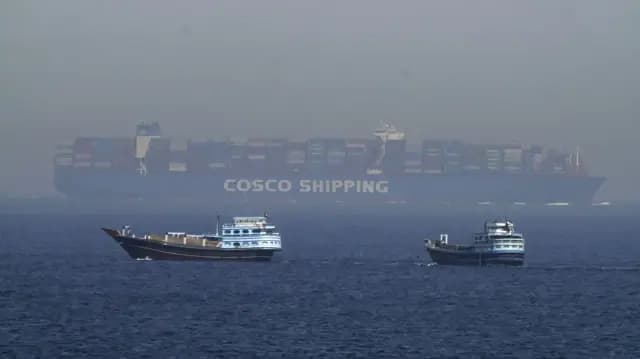
Iran Considers Allowing Limited Oil Tanker Passage Through Strait of Hormuz if Traded in Yuan
10 sources compared

US Strikes Iran's Kharg Island Military Sites
14 sources compared

Unknown attackers fire missiles at U.S. Embassy in Baghdad
43 sources compared

U.S. Attacks Iran's Kharg Island Oil Hub, Trump Says
91 sources compared