
Iran, US, Israel Agree to Two-Week Ceasefire Ahead of Islamabad Peace Talks
Key Takeaways
- Two-week ceasefire agreed among US, Iran, and Israel to halt regional hostilities.
- Islamabad, Pakistan to host US–Iran peace talks; US delegation led by Vance.
- Iran has proposed a 10-point ceasefire plan as basis for negotiations.
Ceasefire and Talks
Iran, the United States, and Israel reached a two-week ceasefire on April 8, 2026.
“Islamabad, Pakistan – Pavements are being painted, an already formidable security presence is being bolstered, and an air of anticipation — and anxiety — is gripping Pakistan’s capital as it prepares to host meetings that the world will watch this weekend”
Trump named Vice President JD Vance to lead the U.S. delegation.

The ceasefire includes reopening the Strait of Hormuz, a critical shipping lane.
Iran insists it will charge tolls to passing ships and continue to enrich uranium.
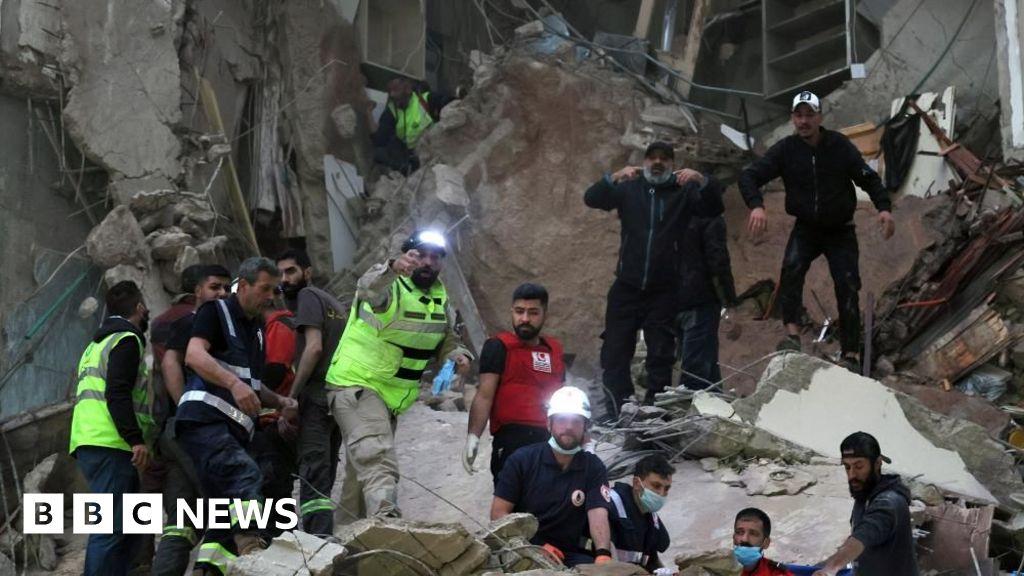
The deal does not include Lebanon, where Israeli strikes continued.
Divergent Ceasefire Plans
The U.S. and Iran presented competing ceasefire plans that diverged on core issues.
Trump initially called Iran's 10-point plan workable but later rejected it.
Iran's plan demands lifting all sanctions and continued control over the Strait of Hormuz.
The White House's 15-point plan demands Iran dismantle all major nuclear facilities.
Ghalibaf said three out of 10 clauses had been violated.
Economic Impact and Oil Prices
The war and blockade sent oil prices soaring above $100 a barrel.
“Negotiators face huge task to close gaps in rival Iran peace proposals With minutes before a self-imposed deadline – and an unprecedented threat to wipe out Iran's "civilisation" - US President Donald Trump announced that a two-week ceasefire had been agreed to halt the war”
Analysts told TIME prices are unlikely to fall sharply or immediately.
The war took 10 to 11 million barrels of crude oil offline per day.
The oil refinery supply chain could take months to normalize.
The reopening of the strait under Iranian military management added uncertainty.
Regional Reactions and Uncertainties
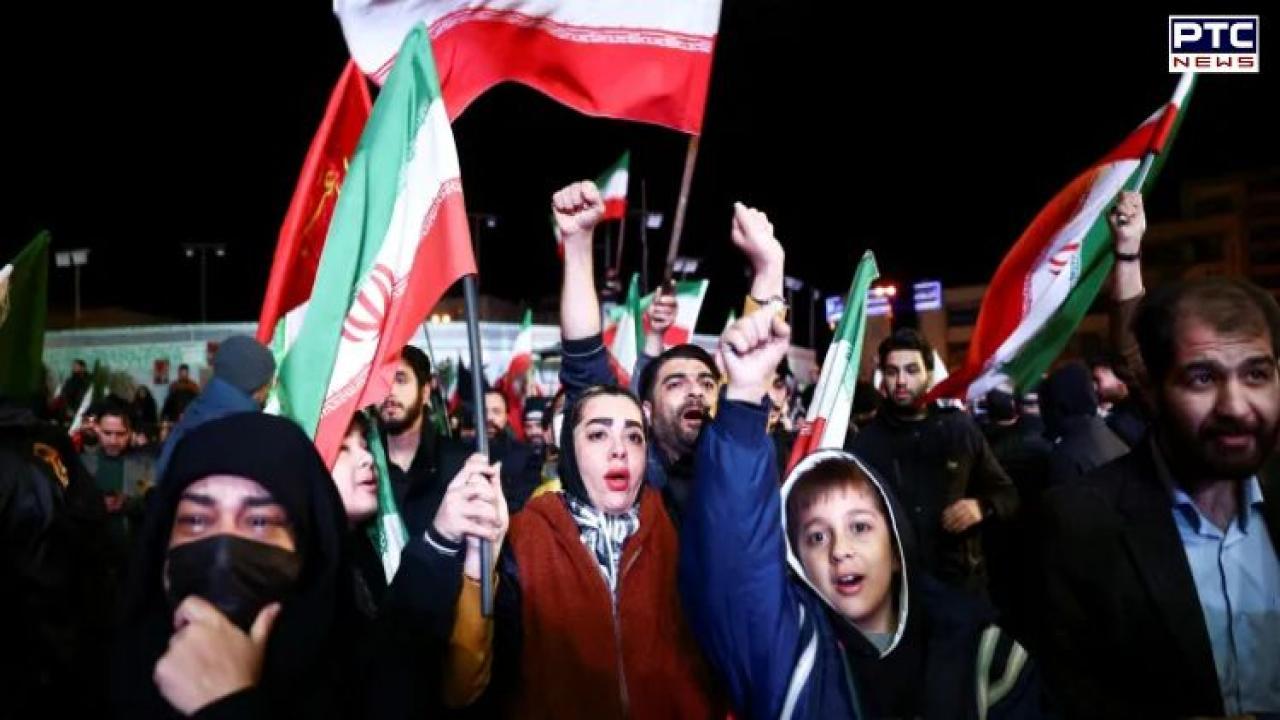
The ceasefire announcement sparked protests in Tehran.
Israel backed the U.S. ceasefire but would continue fighting Hezbollah.

Gulf Arab countries sought to enhance defense cooperation with the U.S.
Many questions remained unresolved.
Trump warned strikes would resume if Iran did not comply.
More on Iran
Trump Demands NATO Allies Commit to Securing Strait of Hormuz Within Days
12 sources compared
US And Iran Begin Peace Talks In Islamabad After Two-Week Ceasefire
20 sources compared
Iran Controls Strait of Hormuz, Keeps Shipping Traffic at Standstill Despite Ceasefire
17 sources compared

US-Iran Ceasefire Ends 40 Days of War Amid Regional Power Shifts
33 sources compared