
Iran Uses Islamabad Peace Talks As Safe Haven To Coordinate Leadership
Key Takeaways
- Islamabad hosted US-Iran peace talks that yielded no deal.
- A second round of negotiations was discussed, with White House signaling ongoing talks.
- Trump announced a naval blockade of Iran after Islamabad talks failed to reach a deal.
Iran Delegation in Islamabad
American officials were surprised by the size of the Iranian delegation: 69 men and two women.
“When the Iranian delegation's plane landed in the Pakistani capital Islamabad for peace talks, American officials were surprised by the size of the delegation that disembarked onto the airport runway, according to the British newspaper The Telegraph”
The delegation included Speaker Ghalibaf, Foreign Minister Araghchi, Central Bank Governor Hemmati, and Supreme National Security Council Secretary Ahmadian.
The Telegraph reported the delegation served a second purpose: providing a safe place where Iran's leaders could meet face to face after 40 days without meetings.
An Iranian official said, "They had been seeking a chance to meet without worry for 40 days, to coordinate matters and discuss how to manage the country."
The entire power structure rests on bodily proximity, a fundamental gap Khomeini did not anticipate.
Failed Talks and Hormuz Blockade
The first round of peace talks ended without a deal.
Vice President JD Vance said the ball was in Iran's court.

Trump announced a naval blockade in the Strait of Hormuz.
More than 10,000 U.S. sailors, Marines, and airmen were enforcing the blockade.
During the first 24 hours, no ships made it past the blockade.
Congressional War Powers
Congress prepared to force votes to end the war.
“A second round of negotiations between the U”
Jeffries said they would compel the Trump administration to cease military hostilities immediately.
The Senate Democratic caucus also planned to force more war powers votes.
The Department of Homeland Security remained partially shut down.
The blockade came just five days after the two-week ceasefire was reached.
Economic Fallout
Oil prices surged above $100 per barrel.
Brent crude rose by 7.2%, WTI by 7.8%.

The blockade represented a major escalation after talks failed.
The Iranian Revolutionary Guards warned any military ships would be dealt with firmly.
Saudi Arabia restored its full capacity to pump oil via the East-West pipeline.
Market and Political Reactions
The pound strengthened against the weaker U.S. dollar.
“The Pound Climbs to Pre-War Levels as Optimism Grows Over Iran Talks Forex Market AI Sentiment: 62/100, Up This assessment is generated through AI-powered analysis of the article's content”
Nick Rees said traders dispersed away from really bad fundamentals.

He warned the currency’s strength may not last.
Local elections are scheduled for early May.
The blockade complicated the geopolitical landscape.
More on Iran
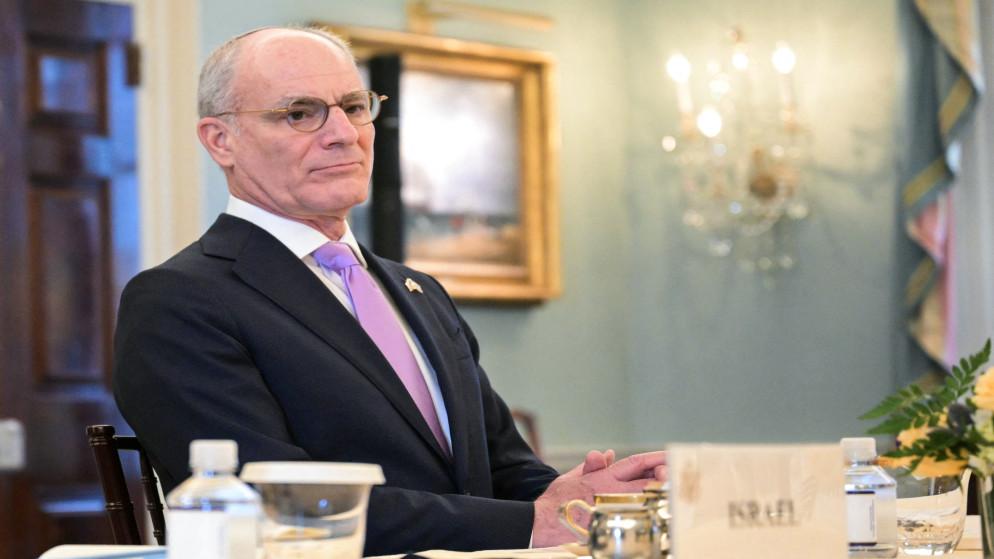
Israel And Lebanon Hold First Direct Talks In Over 30 Years In Washington
13 sources compared

Iran-Linked Ships Defy U.S. Naval Blockade in Strait of Hormuz
33 sources compared

Trump Announces Possible US-Iran Talks Resumption Amid Ceasefire Efforts
30 sources compared
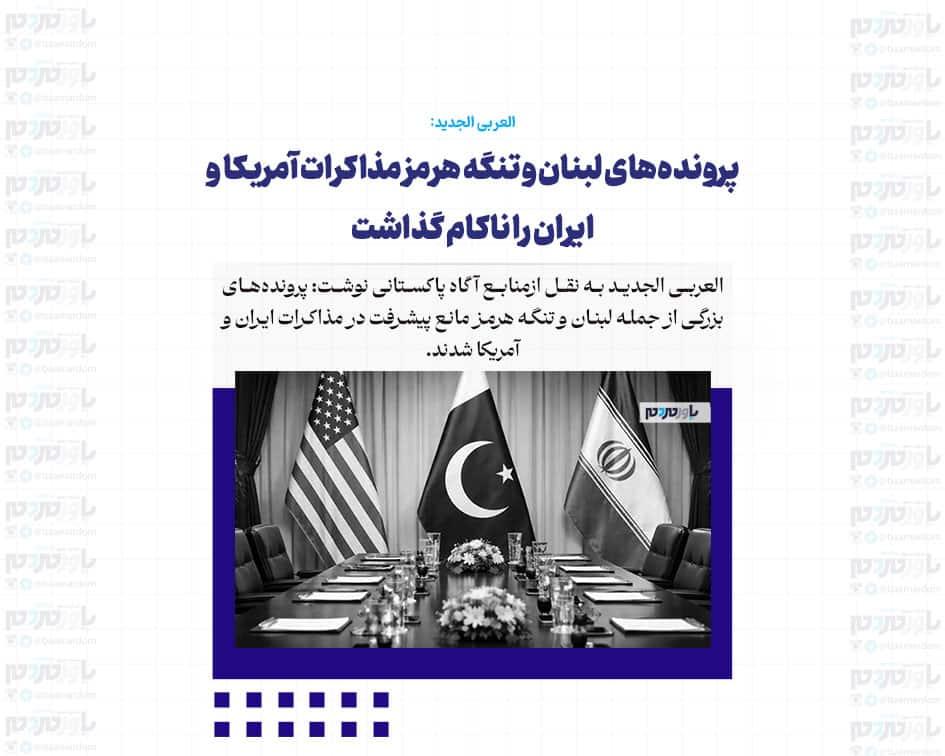
US-Iran Talks Fail in Islamabad Over Nuclear Program and Strait of Hormuz
14 sources compared