
Iran Warns of Harsh Response as Israeli Strikes Kill Four in Nabatieh Governorate
Key Takeaways
- Israeli strikes kill four people in Nabatieh governorate, southern Lebanon.
- Iran warns of harsh response if Israel continues attacks in southern Lebanon.
- Escalation unfolds amid fragile ceasefire talks and a US-Iran deal to end the war.
Strikes Amid Ceasefire Talks
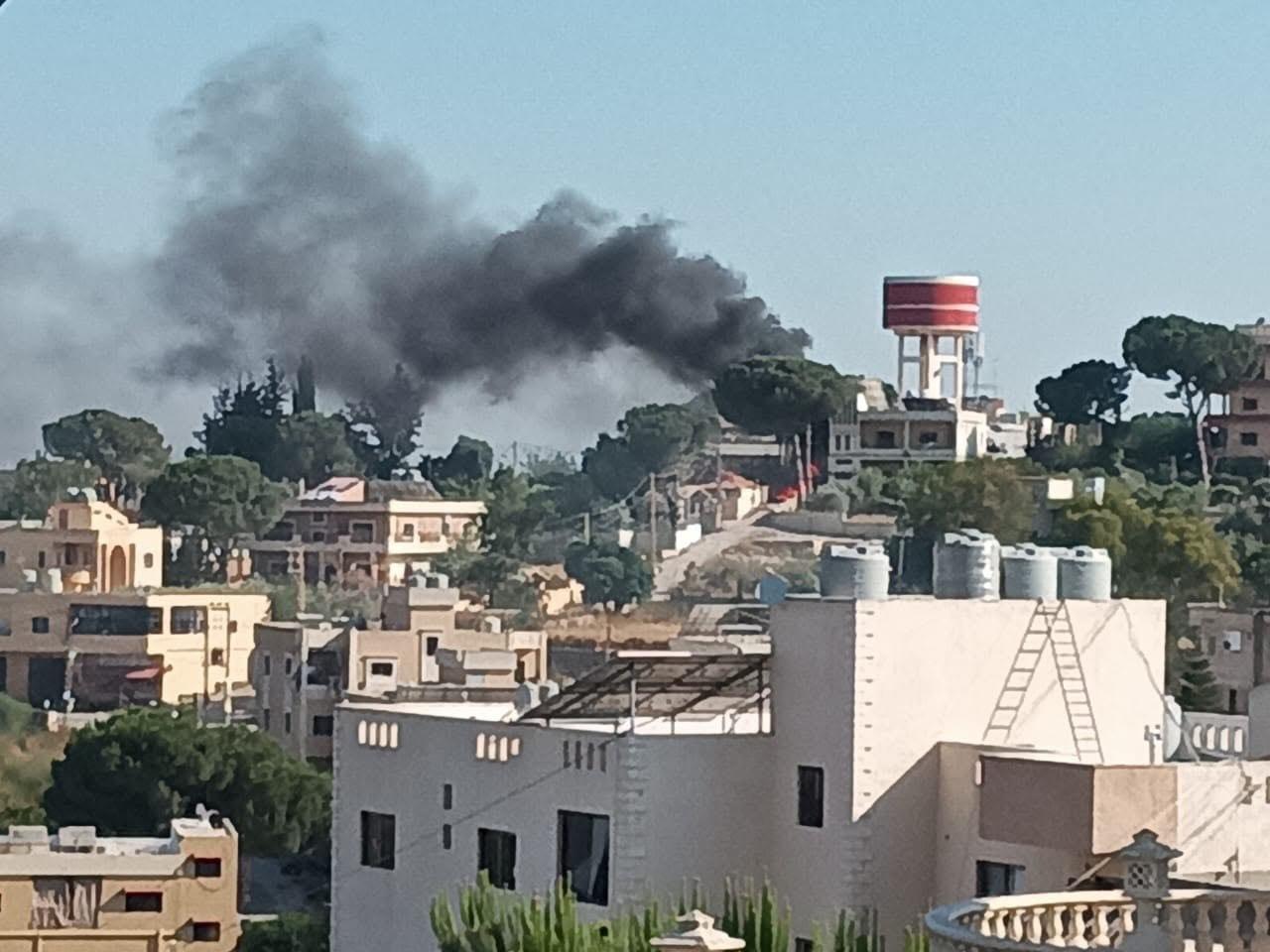
Israeli strikes in southern Lebanon’s Nabatieh governorate killed at least four people on Tuesday, according to Lebanon’s National News Agency (NNA), even as ceasefire talks continued and a US-Iran understanding was meant to end the war on all fronts.
“Multiple Israeli strikes have killed at least four people in southern Lebanon’s Nabatieh governorate, according to Lebanon’s National News Agency (NNA), despite a ceasefire and a recent understanding between the United States and Iran to end the war on all fronts”
The NNA said the killings took place as separate drone attacks targeted two vehicles in Mayfadoun, and a third vehicle was targeted in the village of Shoukin.
Iran’s emergency command, Khatam al-Anbiya, warned that if Israel continues to strike in southern Lebanon, “it should expect a harsh response” from Iran’s military forces.
The Iranian statement also said the “Israeli army has violated the ceasefire in southern Lebanon 84 times over the past two days,” and warned that if Israel does not stop its attacks, it should expect a harsh response from Iran’s forces.
In parallel, the IDF said its Air Force intercepted rockets launched by the Hezbollah terrorist organization toward the area where IDF soldiers were operating in southern Lebanon, and then struck and dismantled the launcher from which some of the rockets were fired.
Iran, Hezbollah, and Netanyahu
Iran’s Foreign Minister Abbas Araghchi said on Tuesday that Israel’s continued occupation of southern Lebanon would violate the deal, adding that “without the withdrawal of Israeli forces from the territories they occupied during this war, the war has not fully come to an end”.
In a phone conversation with Lebanon’s Parliament Speaker Nabih Berri, Iran’s top negotiator Mohammad Bagher Ghalibaf called for the US to compel Israel to end its war on Lebanon, stop home demolitions, and withdraw from occupied Lebanese territory.
The Times of Israel reported that fighting between Israel and Hezbollah in Lebanon eased but did not halt entirely on Monday after the US signed a memorandum of understanding with Iran, and it said the IDF confirmed striking Hezbollah operatives “who posed a threat” to forces in southern Lebanon.
Hezbollah said it blocked an Israeli force near Kfar Tebnit using rockets and drones, and in a separate statement it said the enemy regrouped forces by bringing in an armored force consisting of five Merkava tanks and four vehicles.
In response to the deal, Netanyahu said Israel would not withdraw from southern Lebanon, and the Jerusalem Post quoted Pakistan’s Prime Minister Shehbaz Sharif saying both sides declared “the immediate and permanent termination of military operations on all fronts, including in Lebanon”.
Humanitarian Risks and Next Steps
Human Rights Watch said the destruction by the Israeli army of the Qasmieh Bridge in southern Lebanon on April 16, a few hours before the announcement of a ceasefire, threatens to cut off the portion of Lebanese territory south of the Litani River from the rest of the country.
“Amnesty International said today that the two fragile and interim ceasefire agreements between the United States and Iran, and Israel and Lebanon, should be replaced with a lasting and sustainable regional ceasefire that includes all countries affected by this conflict, to avoid further catastrophic suffering of civilians, pave the way for justice, respect for international law, and long-term protection of human rights for all”
HRW said the attack destroyed the last operational crossing for civilians and humanitarian aid and warned it should be investigated as a potentially disproportionate attack against civilians, which would constitute a war crime.
Amnesty International said the two fragile and interim ceasefire agreements between the United States and Iran, and Israel and Lebanon, should be replaced with a lasting and sustainable regional ceasefire to avoid further catastrophic suffering of civilians.
Amnesty International’s statement said that in Lebanon, the most recent ceasefire has reduced the intensity of fighting but not stopped it, with the Israeli army still on Lebanese soil and residents in dozens of border villages ordered not to return home.
Amnesty International also warned that the current two ceasefire agreements are at risk of collapse at any moment, exposing the lives of millions of civilians to danger again as the United States and Iran continue exchanging threats and attacks.
More on Lebanon
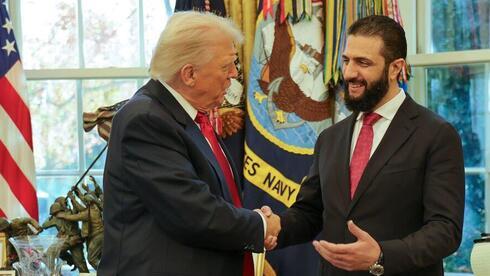
Trump Tells Netanyahu To Be More Responsible With Lebanon, Suggests Syria Fights Hezbollah
25 sources compared

Netanyahu Says Israel Will Remain in Lebanon Security Zones After Iran Victory
11 sources compared

Israel Prepares for Iranian Missile Salvo as U.S.-Iran Ceasefire Deal Is Announced in Geneva
27 sources compared

Netanyahu Hails Victory Over Iran, Rules Out Immediate Withdrawal From Lebanon
30 sources compared