Iran08 March, 20262 min read
Iranian Drone Attack Damages Bahrain Desalination Plant, Injures Three
Iranian drone strike damaged a Bahrain desalination plant and injured three people Gulf desalination systems are highly vulnerable to military strikes, threatening potable water supplies
Bahrain drone strike report
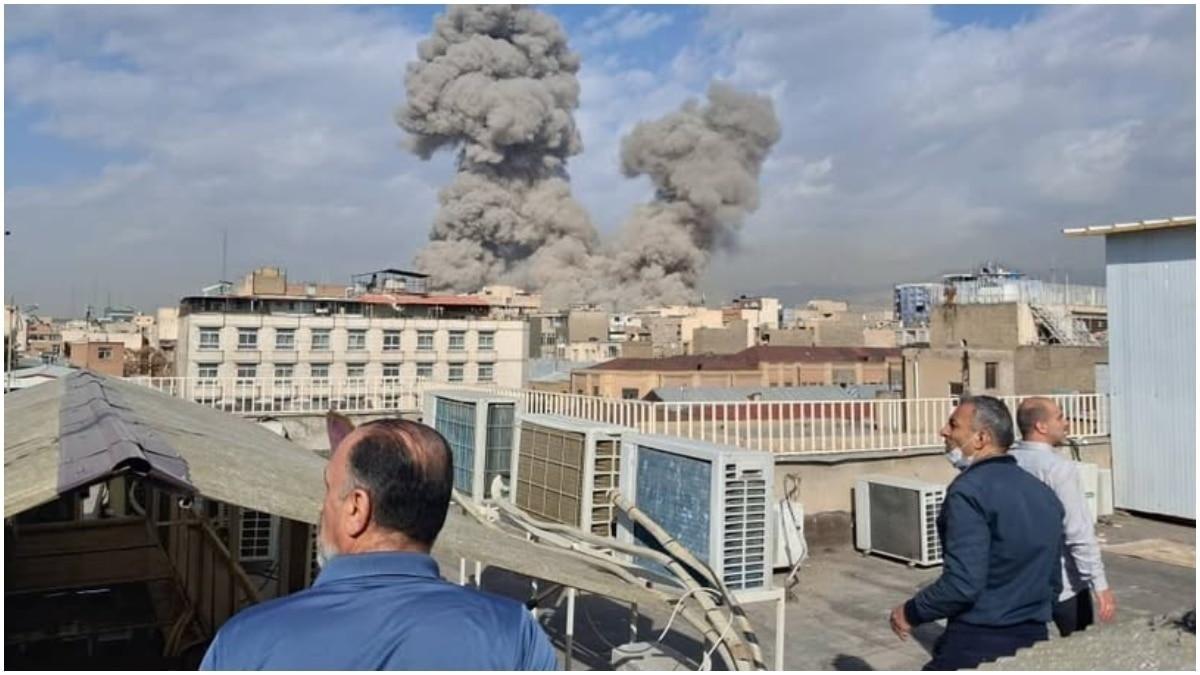
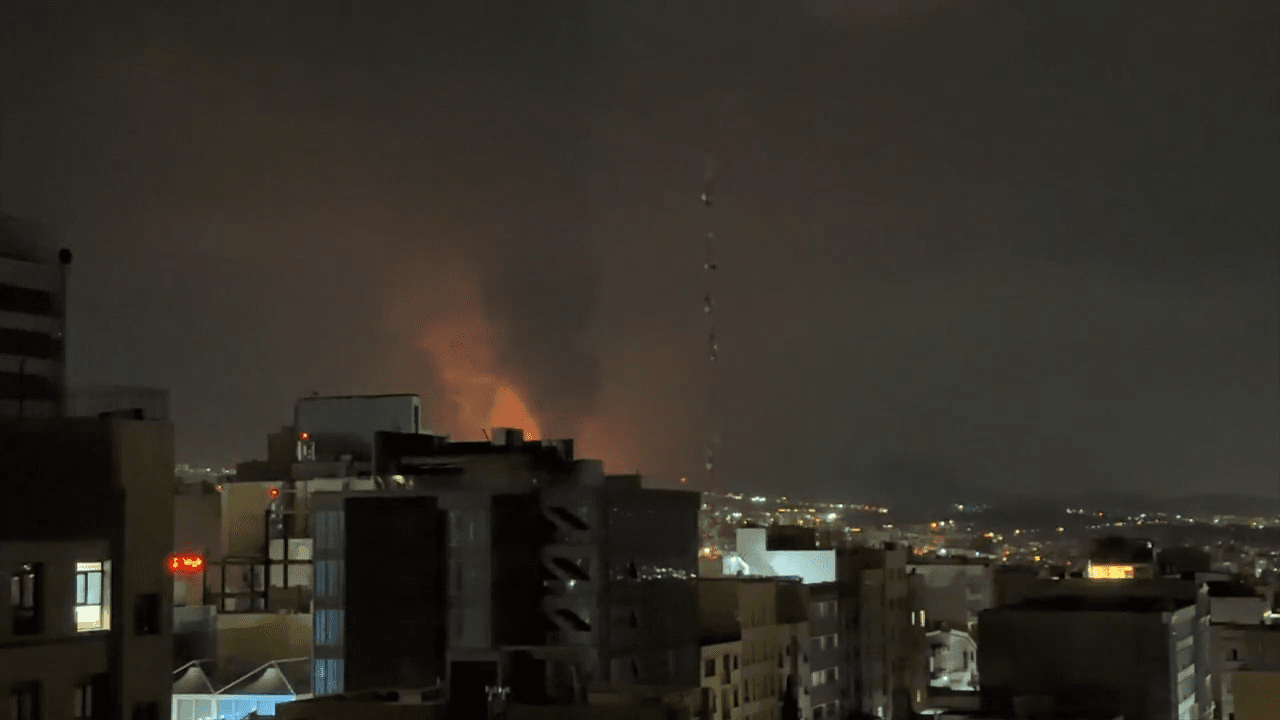
Bahrain reported that an Iranian drone strike on March 8 damaged a seawater desalination plant and injured three people. Missile fragments also struck Muharraq and damaged a university building, prompting air-raid sirens and emergency response.
“Bahrain says an Iranian drone strike on March 8 damaged a seawater desalination plant and injured three people.”
Bahraini authorities condemned the hits as attacks on civilian infrastructure and said first responders treated those injured at the site. The incident took place amid a wave of missile and drone activity across the Gulf that has produced debris damage, injuries and localized evacuations.

Reactions to Gulf attacks
Iran rejected Bahrain’s accusation and framed the episode in the context of reciprocal strikes and precedent. Iran’s Foreign Minister Abbas Araghchi publicly pointed to an earlier U.S. strike on a desalination facility on Qeshm Island, saying Washington had set a precedent and that that attack had cut water to around 30 villages. Iranian officials therefore presented the Gulf attacks as part of a tit‑for‑tat campaign, while Bahrain and others explicitly blamed Iranian drones and missiles.
Gulf missile and drone campaign
The Bahraini hit was one episode in a broader, multi-front campaign of missiles and armed drones across the Gulf. Multiple outlets reported strikes, interceptions and damage in Kuwait, the UAE and other Gulf states.
“The wider Iran-backed campaign, now in its ninth day, has seen extensive Iranian drone use against U.S. and Israeli targets. Kuwait’s military said it intercepted missiles and drones, after an Iranian drone attack struck fuel tanks at Kuwait International Airport (a fire was controlled and there were no major injuries), while some civilian sites suffered debris damage and two officers were reported killed.”
Reports included hits to fuel tanks at Kuwait International Airport and debris that killed or injured civilians in the UAE. Countries reported intercepting missiles and moving to secure airports and ports as the attacks continued into a second week.
Gulf desalination risks
Security analysts, aid agencies and regional officials warned the strikes on desalination and other civilian infrastructure risk severe humanitarian and security consequences because of the Gulf’s dependence on desalinated water. Reporting highlighted the concentration of desalination capacity: only a small number of plants produce a large share of output. This concentration makes the system vulnerable to outages from strikes on plants, power supplies or intakes that could quickly cut water to millions.
Gulf strikes and aftermath
Bahrain and other Gulf governments framed the strikes as violations of international humanitarian law and threats to regional stability. Regional leaders called for diplomacy even as hard-line rhetoric from Tehran signalled continued attacks.
“The Bahrain Defence Force called the ballistic missile and drone strikes on civilian targets violations of international humanitarian law and a threat to regional security. The MOI also reported separate drone damage to a water desalination plant.”
Bahraini authorities said water and power services remained online despite the damage in some places. Governments and analysts warned the pattern of strikes could deepen displacement, disrupt markets and further escalate a conflict already spilling beyond battlefields.