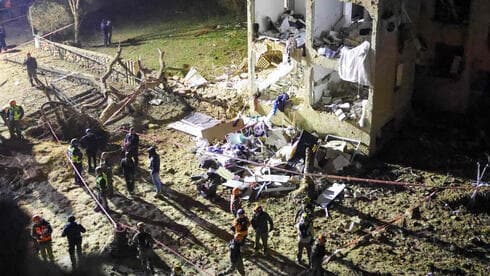
Iranian Missiles Strike Israel; Officials Report 180 Injured Amid Conflicting Casualty Figures.
Key Takeaways
- Iranian missiles struck Arad and Dimona in southern Israel.
- Casualties reported around 180 to 200 injured.
- Missiles hit near Israel’s main nuclear facility, raising escalation concerns.
Missile Attack Overview
Iranian ballistic missile strikes hit southern Israel over the weekend, causing significant damage and injuries in the cities of Arad and Dimona near Israel's nuclear research facilities.
“Iranian missile strikes hit southern Israel near nuclear site, raising fears of wider Middle East escalation New missile strikes in southern Israel are raising concerns about a rapidly escalating conflict across the Middle East”
The attacks marked a notable escalation in the ongoing conflict between Iran and Israel, occurring in the fourth week of what has been described as the 'second Iran war.'
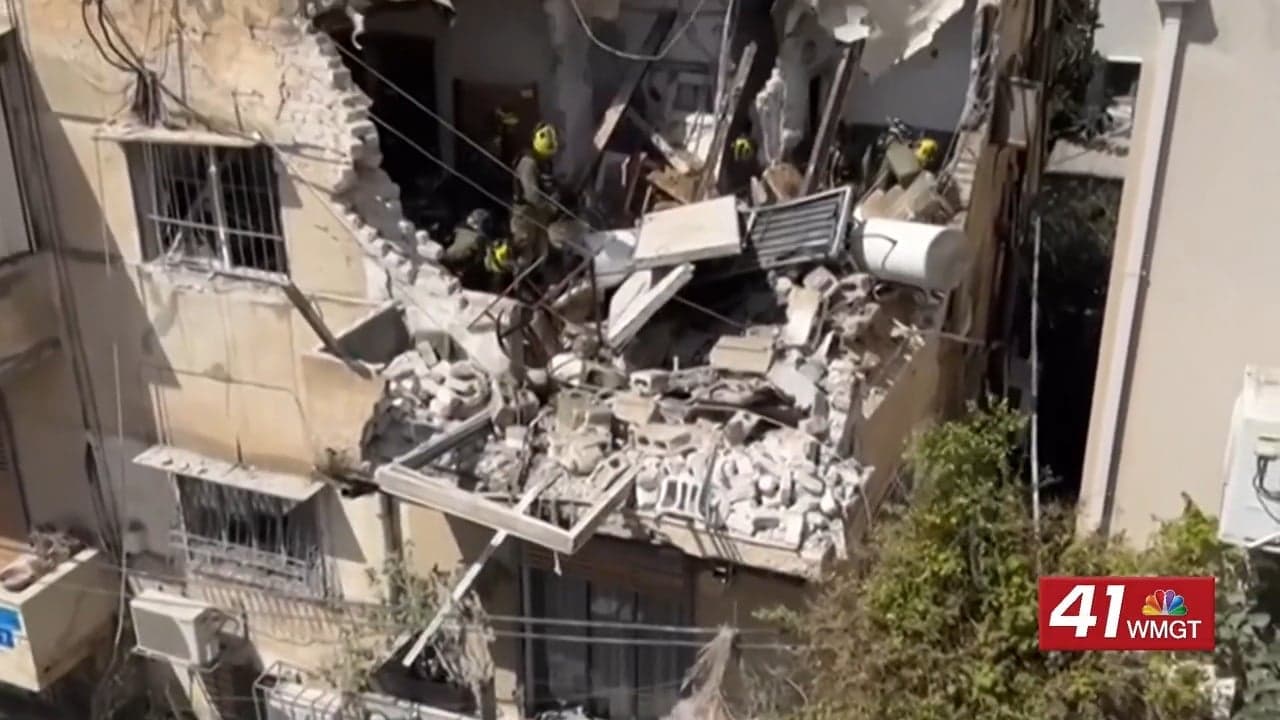
The strikes exposed vulnerabilities in Israel's multi-layered air defense system, with multiple projectiles successfully penetrating Israeli airspace despite claims of high interception rates by Israeli military officials.
The attacks came amid intensified U.S.-Israeli strikes on Iranian infrastructure and Hezbollah targets in Lebanon, creating a dangerous cycle of retaliation that shows no signs of de-escalation in the near future.
Strike Details
The specific strikes on March 20-21 targeted residential neighborhoods in Arad and Dimona, with the latter being perilously close to Israel's main nuclear reactor and research site.
In Arad, missiles sheared the façade off several apartment blocks and shattered glass for blocks around, while Dimona experienced direct hits despite its proximity to the heavily fortified nuclear facility.
Israeli emergency services reported treating more than 180 people across both attacks, with Soroka Medical Center in Beersheba declaring a mass-casualty incident as emergency teams responded to multiple impact sites.
Among the injured were children including a 12-year-old boy and a five-year-old girl, both reported to be in serious condition, raising concerns about the indiscriminate nature of the attacks on civilian areas.
Technical Analysis
The technical characteristics of the Iranian missiles revealed significant tactical challenges for Israel's defense systems.
“ARAD, Israel — After three weeks of relatively low Israeli casualties from the raging U”
Military analysts confirmed that approximately half of the missiles launched from Iran after the start of the conflict carried cluster warheads, which scatter dozens of smaller submunitions over large areas, making them fundamentally more difficult to intercept than unitary missiles.
Israeli defense expert Tal Inbar explained that for effective interception, the defensive system must strike the missile before it disperses its submunitions, a technical challenge that Israel's multi-layered defense array struggled to overcome.
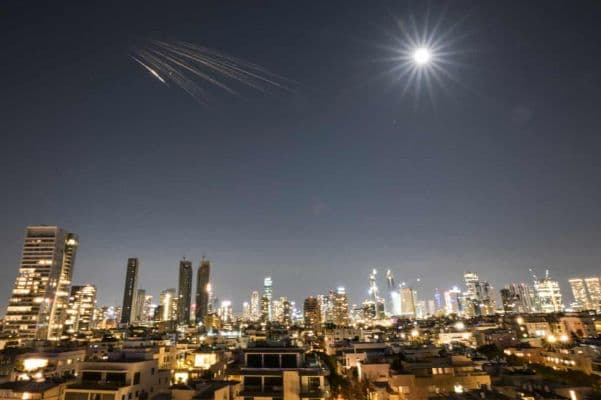
The 'fireworks-like clouds' seen in Israeli skies in recent weeks resulted from these cluster warheads releasing dozens of submunitions at altitudes of about 7 to 8 kilometers, indicating missed interception opportunities at higher altitudes and the limited ability to target each submunition individually.
Despite Israel's claims of destroying more than 70% of Iran's ballistic missile launchers, the continued launches demonstrate Iran's sustained operational capabilities.
Casualty Conflicts
Casualty figures and official statements revealed significant discrepancies and conflicting narratives about the attacks' impact.
While Israeli military officials claimed that since the start of the current war, Iran has fired about 440 ballistic missiles at Israel with 92% successfully intercepted, the high number of casualties in Arad and Dimona cast doubt on these figures.
The Israeli military attributed the relatively high casualties to residents not taking shelter despite Home Front Command orders, with Prime Minister Benjamin Netanyahu repeating this claim during his visit to the impact sites.
However, eyewitness accounts contradicted this narrative, with the mother of a 12-year-old injured boy telling Kan public broadcaster that her son hadn't managed to reach the bomb shelter in time.
Unverified reports suggested one building had partially collapsed with people inside, raising fears the death toll could rise, though police commissioner Danny Levy stated authorities did not believe anyone was missing as searches continued.
Conflict Context
The broader context of the conflict revealed escalating tensions across multiple fronts, with Iran claiming the strikes targeted Israel's nuclear facilities in retaliation for attacks on Iranian nuclear sites.
“A military correspondent for the Israeli regime’s Channel 14 throws a fit of rage on air, publicly criticizing efforts by authorities to gloss over and limit scrutiny over sheer underperformance of the regime’s air defense systems in the face of a recent Iranian missile barrage”
Iranian state media confirmed for the first time that the missile strike on Dimona was intended to target Israel's nuclear facilities there, though the International Atomic Energy Agency reported no damage to the facility and no abnormal radiation levels detected.

The conflict has seen disproportionate casualty figures, with at least 1,230 deaths in Iran compared to 14 in Israel since the war broke out, according to Red Crescent Society figures.
This asymmetry has been further highlighted by the displacement of over 800,000 people in Lebanon amid renewed fighting between Israel and Hezbollah.
Meanwhile, twenty-two countries including Britain, France, Germany and Japan have signed a statement saying they are ready to 'contribute to appropriate efforts to ensure safe passage' through the Strait of Hormuz, a vital oil route that Iran has largely choked off from U.S. allies, indicating growing international concern about the conflict's economic implications.
More on Other
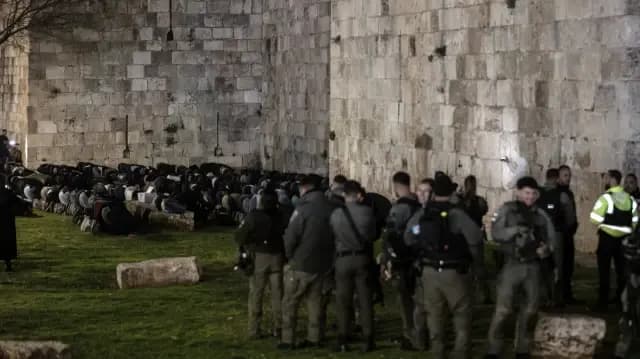
Israel Bans Eid Prayers at Al-Aqsa Mosque in Occupied East Jerusalem.
10 sources compared
Iran triggers Strait of Hormuz closure, disrupting India's LPG market and destabilizing energy supplies.
14 sources compared

Cuban Border Guards Shoot Dead Occupants of Florida-Registered Speedboat; Reports Vary on Death Toll
73 sources compared

Settler Shoots Dead 19-Year-Old Palestinian-American in Mukhmas, West Bank
14 sources compared