Iranian Missiles Strike Dimona and Arad Near Negev Nuclear Research Center, Injuring Over 160
Key Takeaways
- Iranian missiles struck Dimona and Arad near Israel's Negev Nuclear Research Center.
- More than 160 people injured across Dimona and Arad.
- Israeli air defenses failed to intercept the missiles, allowing direct hits.
Missile Attacks Overview
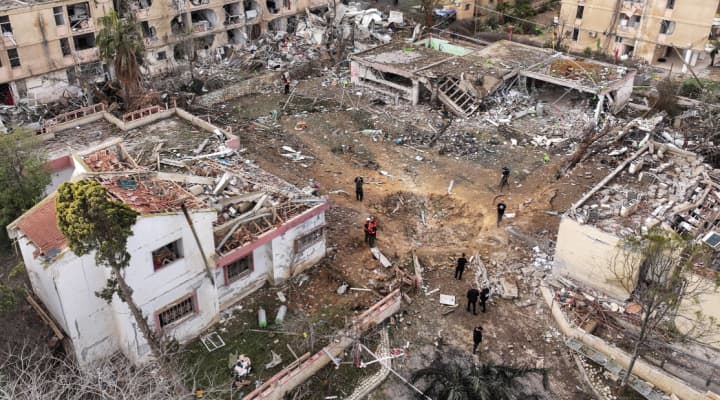
Iran launched ballistic missiles against southern Israel on Saturday, striking the cities of Dimona and Arad near the country's main nuclear research center.
“Hundreds Wounded in Iran Missile Attacks Across Central, Southern Israel, Including Near Nuclear Site Error: Contact form not found”
Over 160 people were injured in the attacks that penetrated Israeli air defense systems.
According to euronews, "Two Iranian missiles which could not be intercepted struck the cities of Dimona and Arad in southern Israel on Saturday night, injuring more than 160 people, including children, and causing extensive damage to property."
Associated Press News confirmed that "Iranian missiles struck two communities in southern Israel late Saturday, leaving buildings shattered and dozens injured in dual attacks not far from Israel's main nuclear research center."
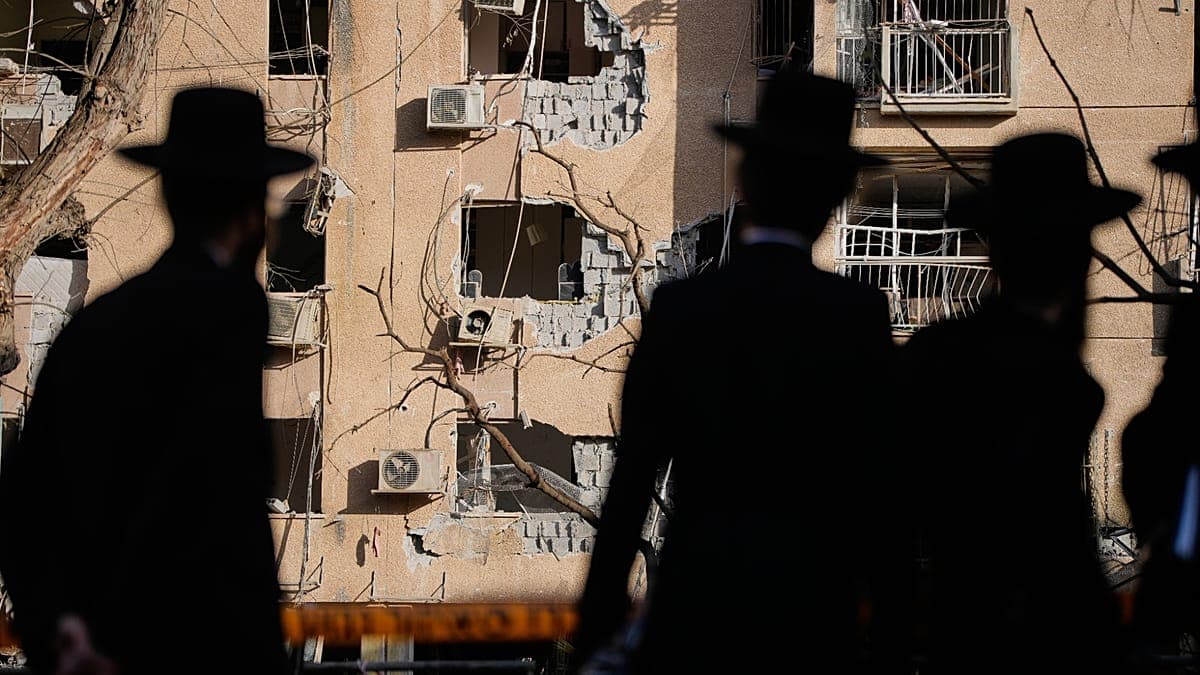
NBC News provided additional context, noting that "The strike on Saturday sheared the façade off several adjacent apartment blocks and shattered glass for blocks around" after three weeks of relatively low Israeli casualties from the war.
Casualties and Damage
The attacks caused extensive structural damage to residential buildings and left at least 160 people injured across both cities.
Many children were among those seriously wounded in the missile strikes.

CBS19 News Charlottesville reported that "The two direct hits tore open the fronts of residential buildings and carved craters into the ground" with rescue workers sifting through rubble for wounded people.
KOHA.net provided casualty figures, stating "More than 160 people have been injured, some seriously, in Iranian missile attacks on two southern Israeli cities near a nuclear facility, Israeli emergency officials have said. They say 84 people are being treated in Arad and another 78 in Dimona."
Honolulu Star-Advertiser added that in Dimona, "five people were hospitalized, including a 12-year-old boy who was in a serious condition" while emergency services treated "33 people injured in the town."
Retaliation Claims
Iranian state media claimed the missile strikes were retaliation for earlier attacks on the country's nuclear facilities.
“and Israel have offered shifting rationales for the war, from hoping to foment an uprising that topples Iran’s leadership to eliminating its nuclear and missile programs and its support for armed proxies”
The attacks specifically targeted the Dimona area due to its proximity to Israel's nuclear research center.
Daily Press reported that "Iranian state TV said the missile attack on Dimona, which houses a nuclear facility, was a 'response' to an earlier strike on its own nuclear site at Natanz."
The Media Line confirmed this, stating "The Iranian missile strike on Dimona wounded 34 people, with Tehran saying the attack was in retaliation for recent U.S. and Israeli strikes on its nuclear facilities."
Algemeiner provided additional context from Iranian officials, noting that "Iranian state TV said on Saturday the salvos were in response to an attack on Iran's Natanz nuclear facility earlier that day."
Strategic Escalation
The successful penetration of Israeli air defenses marked a significant escalation in the conflict's fourth week.
The attacks raised concerns about the vulnerability of Israel's nuclear facilities and the broader regional security situation.
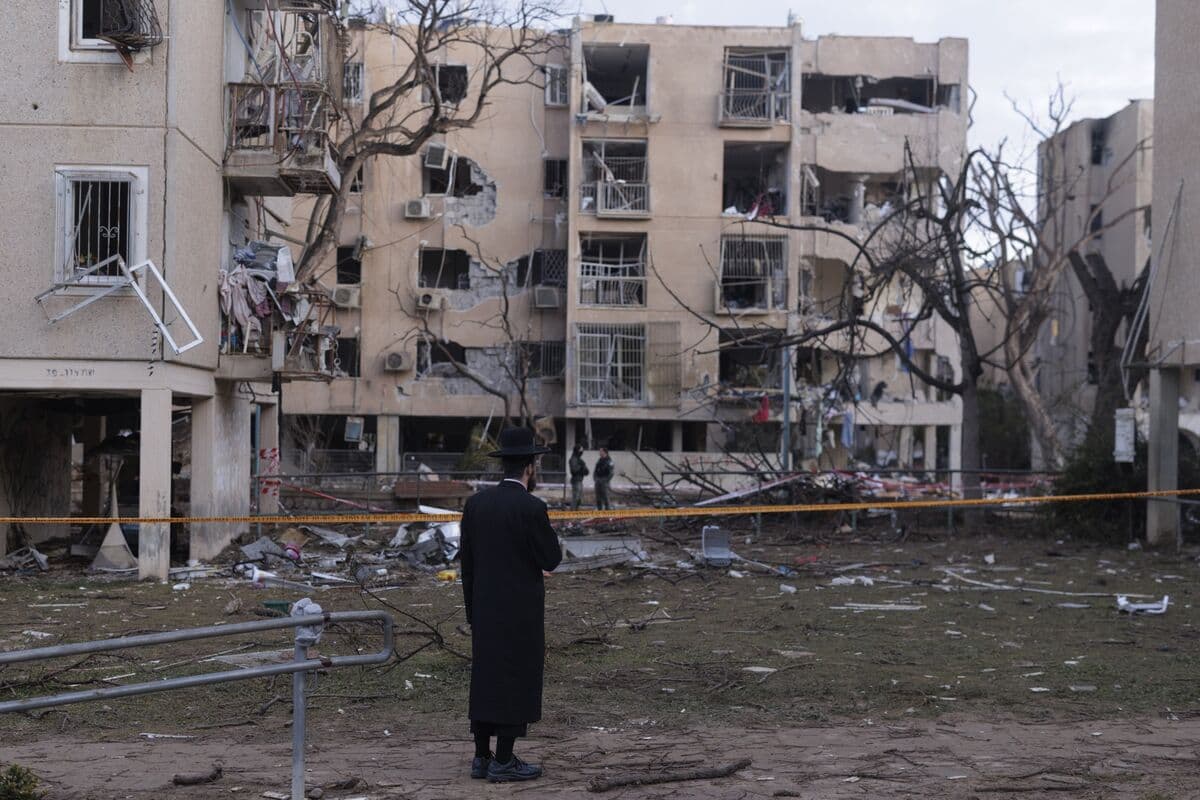
LBC reported that "Firefighters said that in 'both Dimona and Arad, interceptors were launched that failed to hit the threats, resulting in two direct hits by ballistic missiles with warheads weighing hundreds of kilograms.'"
Bloomberg noted that "Iran's strikes on Israel appear to be intensifying as the conflict in the Middle East enters its fourth week."
Associated Press News added that "If the Israeli regime is unable to intercept missiles in the heavily protected Dimona area, it is, operationally, a sign of entering a new phase of the battle," according to Iran's Parliament Speaker Mohammad Bagher Ghalibaf.
International Response
International observers expressed concern about the attacks near nuclear facilities.
“AFP footage from Arad showed rescue workers sifting through rubble The strike on Dimona -- home to a nuclear facility -- wounded dozens and left entire apartment blocks with heavy damage First responders inspect the site of an Iranian missile strike in Arad Iranian missile strikes on two southern Israeli towns wounded more than 100 people on Saturday, medics said, after Israeli air defence systems failed to intercept the projectiles”
The International Atomic Energy Agency confirmed no abnormal radiation levels were detected following the strikes.
Associated Press News reported that "The International Atomic Energy Agency said that no abnormal off-site radiation levels had been observed following the strikes, though it urged all sides to exercise restraint near nuclear sites."
Algemeiner confirmed this, noting that "But according to the International Atomic Energy Agency (IAEA), the site was not harmed in the strikes. 'Information from regional states indicates that no abnormal radiation levels have been detected,' the UN nuclear watchdog tweeted."
Daily Press added that "Russian Foreign Ministry spokesperson Maria Zakharova said such strikes posed a 'real risk of catastrophic disaster throughout the Middle East.'"
More on Iran

President Donald Trump Delays Strikes on Iran's Power Plants for Five Days After Talks
17 sources compared

US State Department Warns Americans Worldwide of Possible Attacks Amid War With Iran
14 sources compared

Iran Threatens to Strike Gulf Energy and Water Facilities After Trump's Strait of Hormuz Ultimatum.
46 sources compared

Iran Threatens to Hit Gulf Power Plants and Mine Persian Gulf Waters
14 sources compared