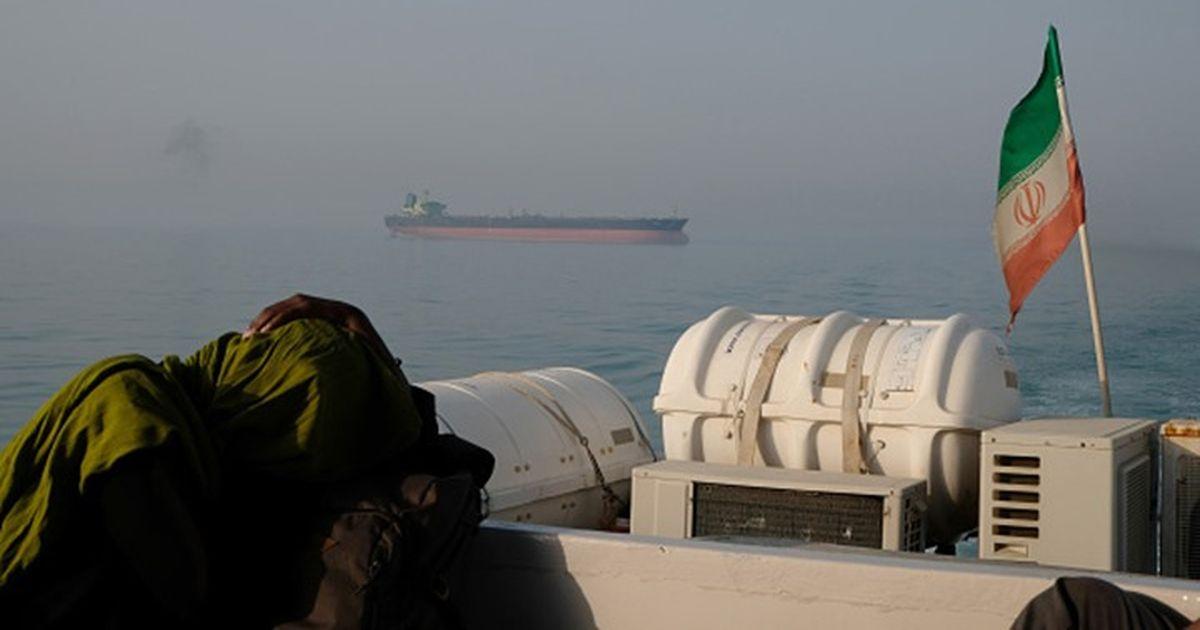
Iran's IRGC Charges Bitcoin Tolls on Oil Tankers Passing Strait of Hormuz
Key Takeaways
- Iran's IRGC plans crypto-based transit fees for Hormuz oil tankers during ceasefire.
- Proposed toll amounts: about $1 per barrel or up to $2 million per vessel.
- Payments would be made in cryptocurrency, notably Bitcoin, per Financial Times reporting.
Iran Imposes Crypto Tolls
Iran began charging oil tankers cryptocurrency tolls to pass through the Strait of Hormuz as part of a two-week ceasefire with the United States.
“Bitcoin (CRYPTO:BTC) has ridden a wild ride lately”
The IRGC demanded fees of about $1 per barrel, payable in digital assets such as bitcoin or stablecoins like USDT, as well as Chinese yuan.
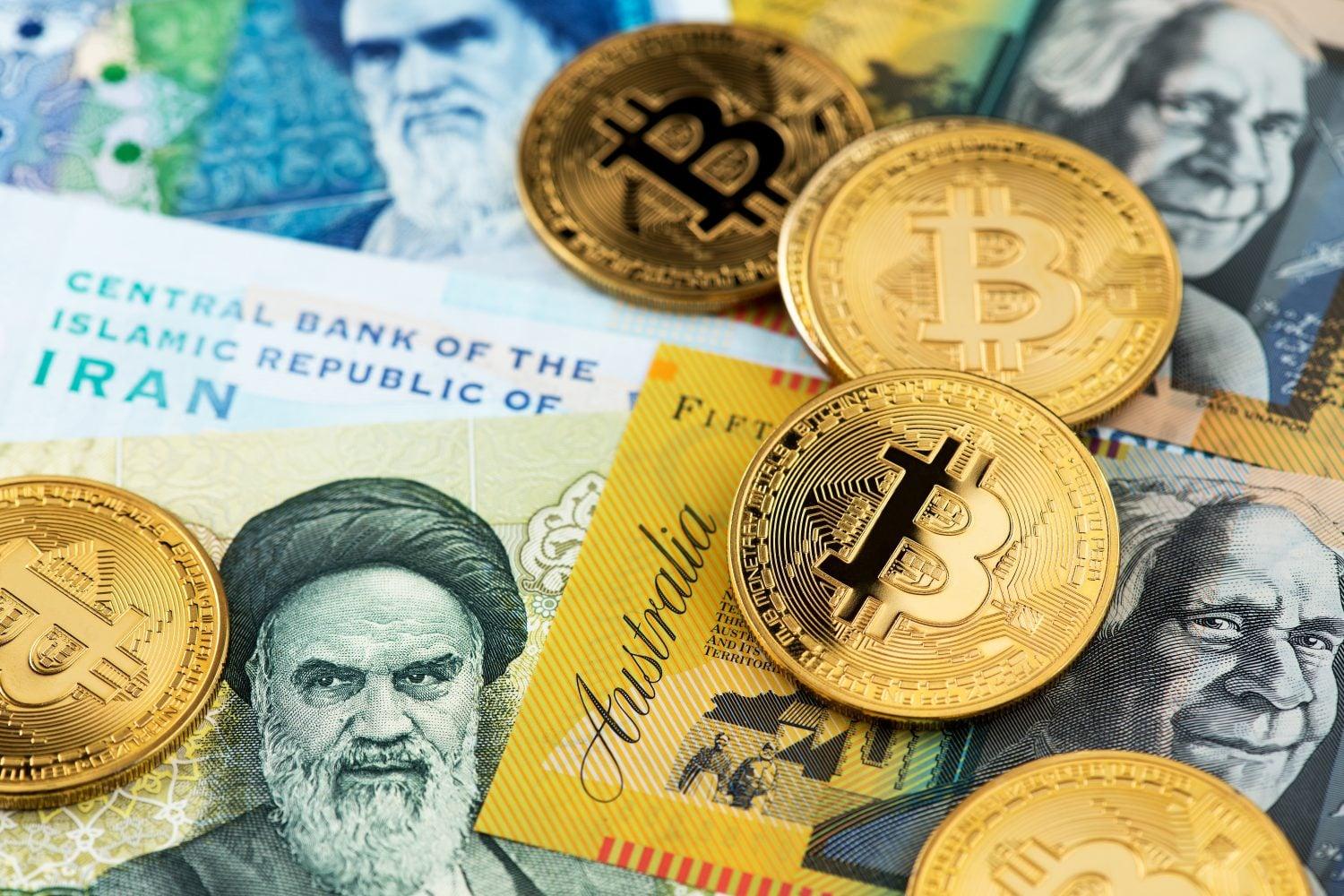
Hamid Hosseini said vessels are given a few seconds to pay in Bitcoin, ensuring they can't be traced or confiscated due to sanctions.
The toll system could generate up to $20 million per day from oil tankers alone.
The IRGC screens vessels for ties to the US or Israel, denying passage to enemy nations.
Operational Details and Reactions
Tankers must email cargo details to Iranian authorities before being cleared for passage.
Empty tankers transit without charge, but fully laden vessels must comply with the reporting and crypto payment process.

The IRGC issues a one-time secret permit code and route instructions.
The toll system formalizes control during the ceasefire while sidestepping sanctions.
President Trump warned Iran against imposing fees.
Crypto Community Debate
The Bitcoin community debated the feasibility and implications of Iran accepting BTC for tolls.
Alex Thorn noted conflicting reports suggesting tolls may be payable in stablecoins or Chinese yuan.
BTC advocate Justin Bechler said stablecoins can be frozen, while Bitcoin has no issuer or freeze function.
Thorn estimated each oil tanker would need to pay between $200,000 and $2 million in tolls.
The largest known Lightning transaction to date was $1 million.
Geopolitical and Economic Stakes
Iran's use of digital assets represents a critical deployment of cryptocurrency for state-level sanctions evasion.
The IRGC effectively closed the strait to most commercial traffic, sending tanker transits down by 97%.
.png&w=3840&q=75)
Iran's National Security Committee approved a bill codifying the fee structure into law.
Legal scholars have noted the arrangement may conflict with customary international law.
The ceasefire lasts just two weeks.
More on Iran
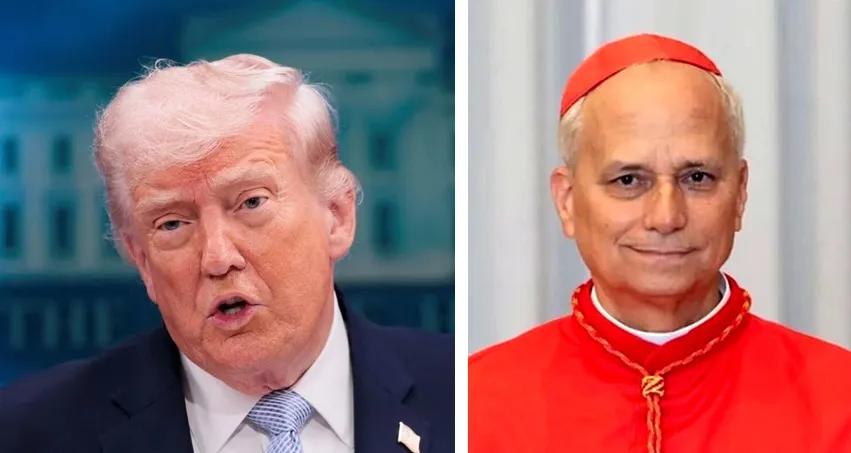
Trump Attacks Pope Leo XIV Over Iran War Criticism, Claims Pope Owes Position To Him
43 sources compared

Turkey Accuses Netanyahu of Seeking to Declare It Israel’s New Enemy
13 sources compared

Trump Orders U.S. Naval Blockade on Iranian Ports, Threatens to Eliminate Approaching Ships
64 sources compared

US Begins Naval Blockade of Iranian Ports, Trump Threatens to Eliminate Attack Ships
54 sources compared