Iran Allows 20 Pakistani-Flagged Ships To Transit Strait Of Hormuz, Two Vessels Per Day
Key Takeaways
- Iran will allow 20 Pakistani-flagged ships to transit Hormuz, at two per day.
- Pakistan's deputy prime minister calls it a harbinger of peace amid regional tension.
- Viewed as a constructive gesture tied to U.S.-Iran talks on ending the conflict.
New transit deal signals de-escalation
New development: Iran has agreed to allow 20 Pakistani-flagged ships to transit the Strait of Hormuz, with two vessels crossing daily, a move Islamabad calls a meaningful step toward easing what is described as an energy crisis.
“Iran has agreed to allow 20 Pakistani-flagged vessels to transit the Strait of Hormuz, in what Islamabad has called a meaningful step towards easing one of the worst energy crises in modern history”
The announcement is framed as a limited but concrete de-escalation in a multi-front conflict, coming as the Strait has been effectively closed for weeks and global markets react to higher shipping costs and volatility.

The arrangement signals Tehran’s willingness to permit restricted transit while pursuing formal controls and potential revenue mechanisms through new parliamentary measures.
Analysts caution that this remains a controlled opening rather than a broad reopening of Hormuz, underscoring the fragility of any de-escalation in a war-widening environment.
Mechanics, sovereignty, and monetization
Plan mechanics and legal framing: the move centers on allowing ships from 'nonhostile' nations to pass through under Tehran’s security oversight, with a fixed cadence of two Pakistani-flagged vessels per day.
Tehran’s security framework for Hormuz is being discussed alongside a broader push to formalize control and monetize the chokepoint, as lawmakers consider a bill to levy transit fees that would create a revenue source.
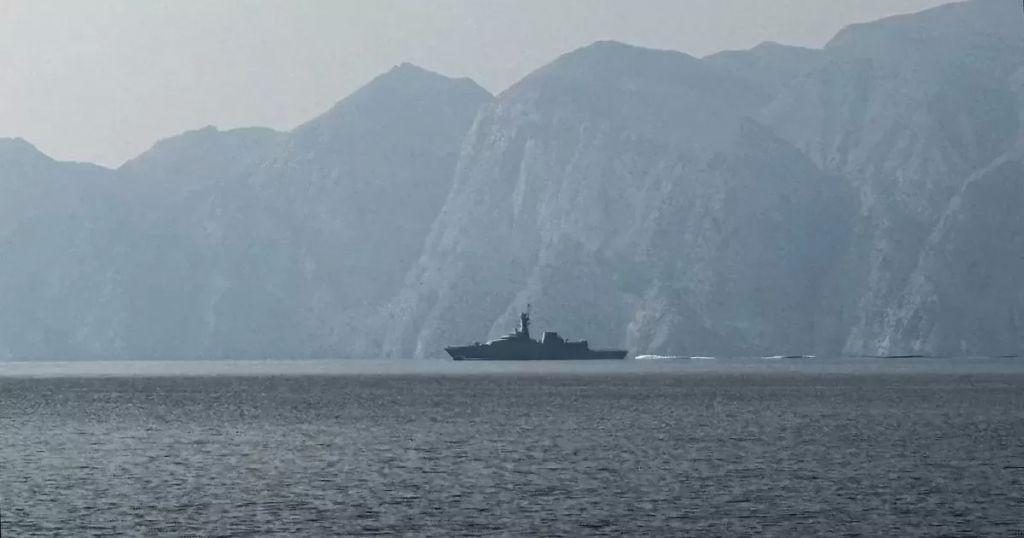
The emphasis on 'nonhostile' states signals a selective approach to reopening, rather than an unconditional traffic rebuild.
Observers note that the claim of sovereignty and oversight is being paired with practical traffic limits, suggesting a staged, revenue-aware approach rather than a full-scale return to pre-war norms.
Mediation signals and regional talks
Diplomatic leverage and regional diplomacy: the Pakistani-mediated transit move coincides with broader de-escalation diplomacy, including Islamabad’s hosting of regional talks and senior officials signaling that dialogue is the only sustainable path forward.
“Trending: West Asia war updates RCB vs SRH LIVE Iran war negotiations KP Sharma Oli arrest Tiger Woods Oscars leaving Hollywood advertisement Iran allows 20 additional Pakistani-flagged ships to pass through Strait of Hormuz FP News Desk _•_ March 29, 2026, 07:36:25 IST advertisement Iran will allow 20 Pakistani-flagged ships to transit the Strait of Hormuz, with two vessels crossing daily, in a move Islamabad calls a ‘harbinger of peace,’ amid efforts to ease tensions and promote stability through dialogue and diplomacy”
Pakistan is positioning itself as a mediator between Washington, Tehran, and Gulf partners, with a quadrilateral meeting involving Türkiye, Egypt, and Saudi Arabia on the horizon.
The rhetoric around this limited opening is framed as a practical step toward stability, rather than a panacea for the broader conflict.
Markets shaped by partial opening
Energy markets and global trade: the conditional opening comes amid an energy-security crisis sparked by Hormuz disruptions, with oil prices and shipping costs spiking as the waterway remains largely blocked.
Analysts note that a sustained reopening could ease bottlenecks in West Asia’s energy flows, but the limited cadence and selective eligibility suggest any relief will be incremental and highly contingent on broader regional conduct.
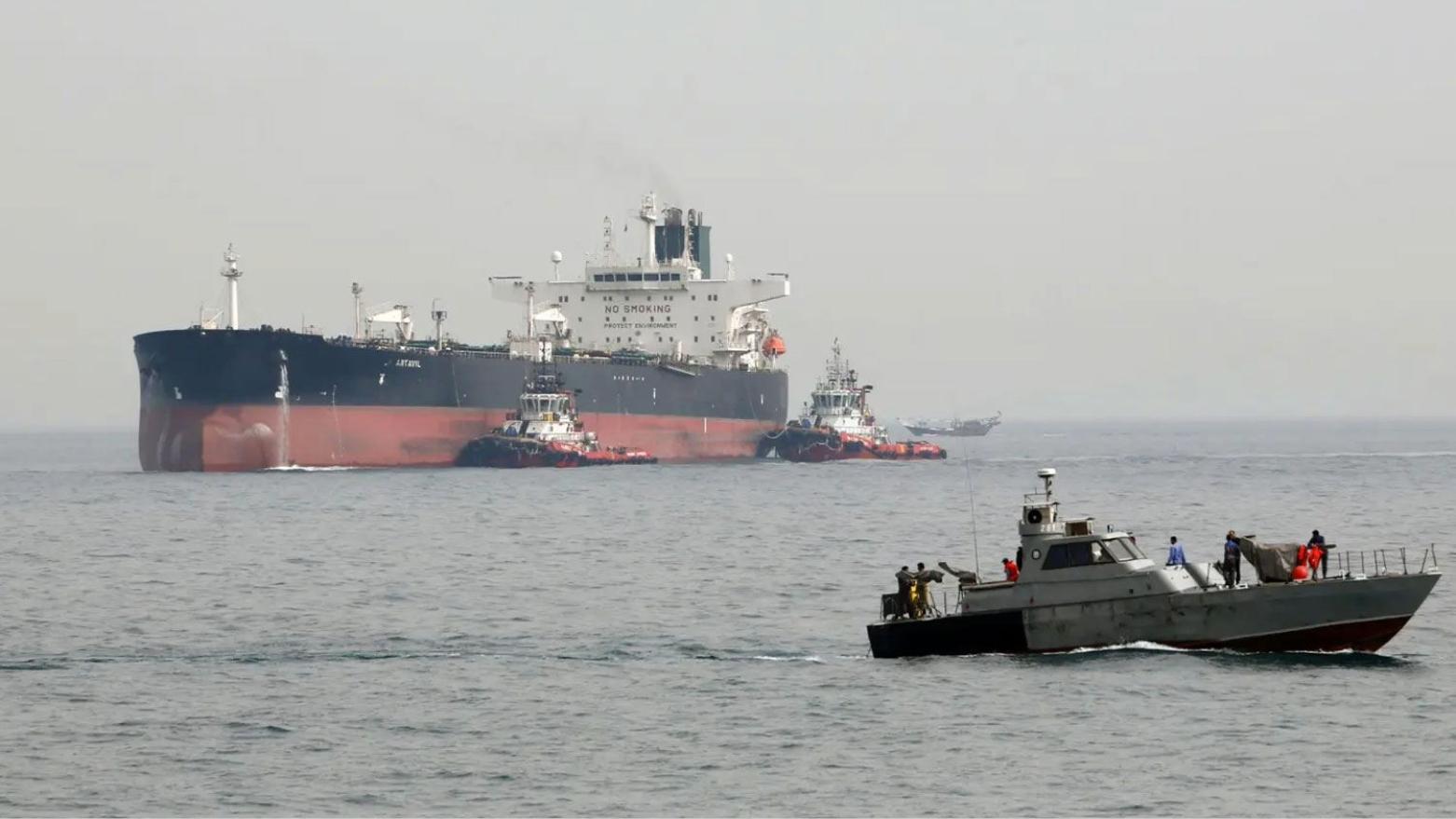
Hormuz remains a political tool in a wider struggle, and the current opening is a test of Iran’s willingness to use it constructively without broad concessions.
Risks, revenue, and geopolitical bets
Risks and uncertainties: even a limited opening carries risks of entrenching Tehran’s control or becoming a bargaining chip in a longer negotiation.
“Iran Allows Pakistani Ships Through Hormuz as Houthi Strikes Intensify Iran allows 20 Pakistani ships through Hormuz, signaling limited de-escalation, as Houthi forces launch a second missile and drone attack on Israel within 24 hours”
The revenue-angle from a potential transit-fee regime could institutionalize Hormuz oversight, but it may also deter wider participation and invite disputes over which ships qualify as 'nonhostile.'

While the Pakistani-mediated step is a hopeful signal, observers caution that the path to stable, multi-lateral traffic through Hormuz remains narrow and contingent on broader political alignments.
More on Iran

Iran Allows 20 Pakistani-Flagged Ships Through Strait Of Hormuz
14 sources compared
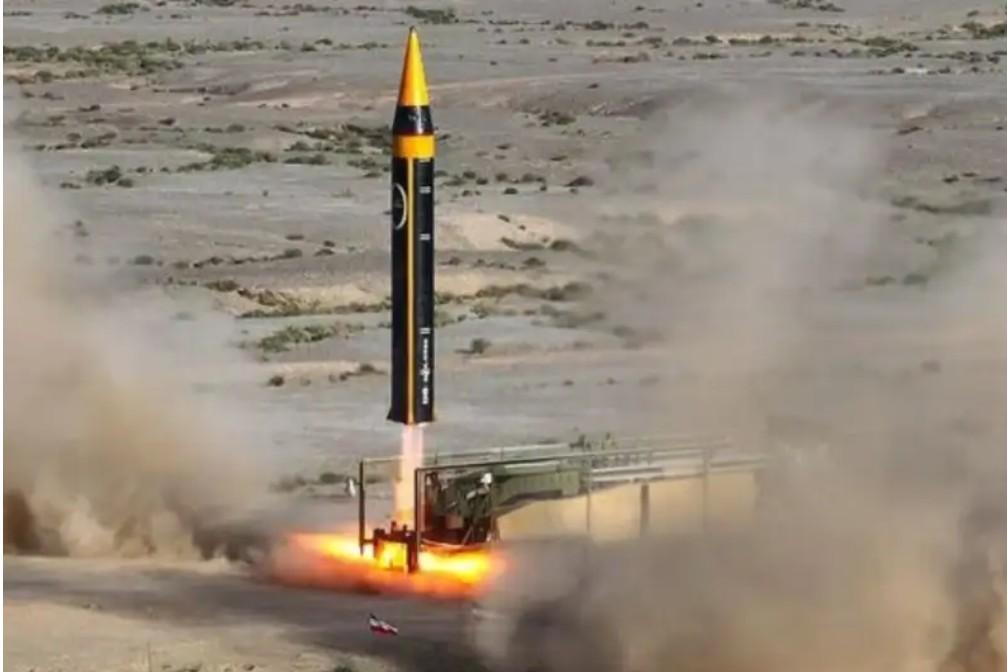
Houthis Formally Enter Iran-Israel War By Firing Missiles And Drones At Israel
16 sources compared
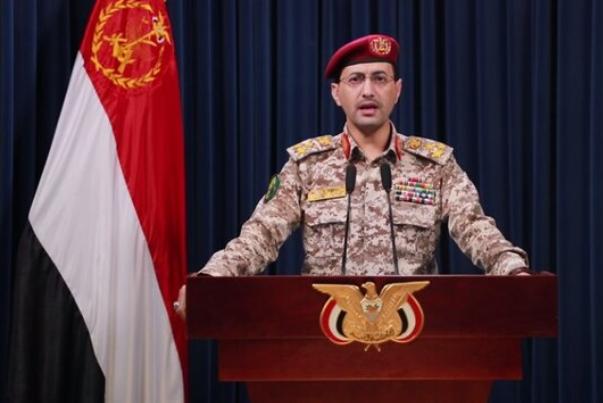
Houthis Launch First Missiles At Israel, Joining Iran War And Threatening Red Sea Routes
75 sources compared

Pentagon Plans Weeks-Long Ground Operations In Iran
21 sources compared