Iran09 March, 20263 min read
Iran's War Halts Tanker Traffic Through Strait of Hormuz, Threatening Global Energy Crisis
Tanker traffic through the Strait of Hormuz has largely halted after attacks and maritime threats. Global oil prices spiked, with oil jumping about 13% as investors sought safe havens.
Strait of Hormuz disruption
Tanker traffic through the Strait of Hormuz has effectively stopped after a rapid escalation between the US, Israel and Iran, producing an immediate halt to a waterway that normally carries roughly one‑fifth of the world’s oil and LNG. Newsday says traffic "has effectively stopped after Iranian attacks and threats, sending oil prices sharply higher." WION reports the "escalating US‑Iran war has triggered a global energy shock by disrupting shipping through the strategic Strait of Hormuz, which normally carries about 20% of the world’s oil and LNG."
“The article explains that tanker traffic through the Strait of Hormuz — the narrow 21-mile-wide channel connecting the Persian Gulf to the Gulf of Oman — has effectively stopped after Iranian attacks and threats, sending oil prices sharply higher.”
Global Finance Magazine says US strikes on Iran "have sharply raised tensions around the Strait of Hormuz, halting much ship traffic, driving up energy prices and increasing global geopolitical and economic risk." The South China Morning Post underlines the strategic exposure, noting "Over half of the imports come from six Persian Gulf countries and pass through the strategically important Strait of Hormuz."
Market reaction to attacks
Financial markets reacted swiftly: oil and safe‑haven assets spiked as supply fears and risk premia surged. Finance Magnates reports that Brent and WTI jumped double digits, saying "Brent jumped about 13% to ~$82/bbl and WTI spiked ~12% at Monday’s open." Invezz notes, "Markets jumped on the news: Brent crude rose to about $80/barrel, but prices have not reached past crisis highs (e.g., >$130 in 2022)."
Multiple sources describe a broad flight to safety and a sudden pricing of a war risk premium. Finance Magnates’ market summary links the strikes and tanker attacks to the flight to safe havens and a stoppage of more than 100 tankers. WION highlights that tanker traffic has stalled, amplifying the market shock.

Maritime attacks and disruptions
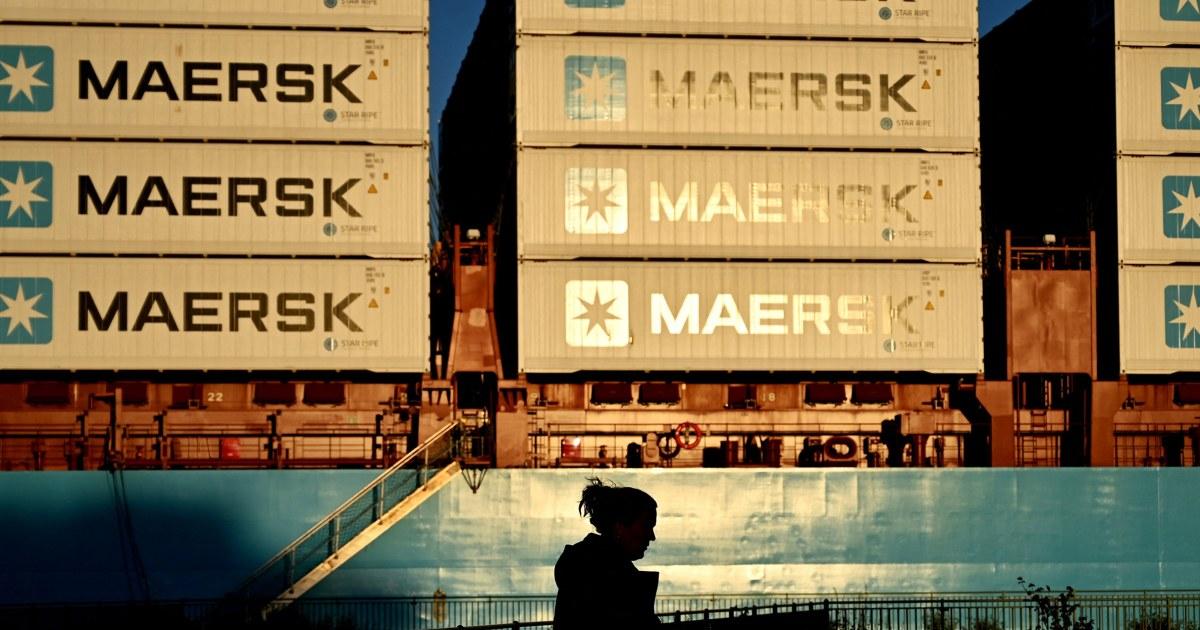
The disruption is not just commercial; it has been violent and dangerous for crews and vessels. Seatrade Maritime documents a deadly attack on a tug assisting an abandoned container ship in the Strait of Hormuz on Mar 6, 2026.
“Deadly attack on tug assisting abandoned container ship in Strait of Hormuz (Mar 6, 2026): A fatal attack occurred on a tugboat that was aiding an abandoned container vessel in the Strait of Hormuz.”
Global Finance Magazine reports a bomb-carrying drone boat reportedly struck a Marshall Islands-flagged tanker in the Gulf of Oman, killing at least one mariner, and notes UK authorities are logging multiple vessel attacks and electronic navigation interference. These incidents have left many ships stalled or rerouted and made tankers vulnerable and virtually uninsurable, amplifying the stoppage and operational chaos described by market and maritime coverage.
Oil transport and fuel bottlenecks
The mechanics of the shock center on transport, storage and refinery bottlenecks rather than a sudden physical loss of all crude production. Invezz explains the main problem is not a loss of oil production but a disruption to transport: if tankers can’t move (for example via the Strait of Hormuz), oil quickly piles up at source and some producers must cut output. Invezz notes the immediate danger is to refined fuels — gasoline, diesel and jet fuel — which react faster than crude because refiners and distributors face immediate bottlenecks, and sharp rises there feed straight into inflation.
WION and Newsday report that regional production and exports have already fallen. WION says Iraq’s oil production and exports have plunged, compounding the supply‑chain squeeze for heavily exposed Asian importers highlighted by the South China Morning Post.

Oil market risks and responses
Policy options, market defenses and risks vary, and outlets flag both buffers and deep uncertainty. Newsday reports that on Tuesday President Trump proposed a plan to protect tankers and try to restore traffic. Invezz points to cushioning factors such as floating storage and IEA-coordinated strategic reserves, noting large volumes of Iranian and Russian barrels sat in floating storage and that IEA-coordinated strategic reserves (roughly 90 days) provide emergency buffers.
“On Tuesday, President Trump proposed a plan to protect tankers and try to restore traffic.”
Analysts quoted by Finance Magnates warn of large upside price risk if the strait remains closed, citing Wood Mackenzie and Goldman Sachs scenarios. Global Finance Magazine highlights widening geopolitical spillovers, including a diplomatic dispute over basing between the US and EU that could complicate a coordinated response. The situation therefore combines immediate market stress and tangible policy responses with substantial uncertainty about duration and escalation.