
Iran’s World Cup Team Opens Against New Zealand in Inglewood After February 28 Missile Strike
Key Takeaways
- Iran's World Cup team arrived in U.S. amid February war launched by U.S. and Israel.
- Diaspora Iranians in the U.S. face a complicated choice to support or protest.
- Iran's World Cup entry framed within a broader wartime context.
Team Iran’s World Cup
Iran’s national soccer team is set to play its first match under unprecedented circumstances after landing across the Mexican border from California early Sunday and ending months of doubt over whether it would reach the 2026 FIFA World Cup at all.
“The crest is red, white and green – the colors of the Iranian flag”
The team opens against New Zealand in Inglewood, near Los Angeles, on June 15, then faces Belgium in the same city on June 21 and closes the group stage against Egypt in Seattle on June 26, with the squad based in Tijuana, Mexico between matches.

In the lead-up to the tournament, Arya FC captain Nader Adeli, a 65-year-old, held up an Arya jersey and laughed, “We are Iranian! We are Aryan, alright?” while the team’s players stepped off the plane wearing gold lapel pins reading “168,” a reference to the people killed, most of them children, in a February 28 missile strike on a girls’ school in southern Iran.
The World Cup’s off-field disputes are tied to the war that has shadowed Iran’s participation since February, after the United States and Israel launched joint strikes on Iran on February 28, killing Supreme Leader Ali Khamenei, and after Iran responded with missile and drone strikes and moved to close the Strait of Hormuz.
CNN also describes how visa delays, immigration restrictions, and travel bans have made the logistics and the optics of Team Iran’s participation confusing as the first match day approaches.
Flags, boycotts, and FIFA
In Moorpark in the San Fernando Valley, Arya FC defender and immigration attorney Ramin Ghashghaei, 61, said, “This is not my flag. To me, that’s a terrorist organization, period,” as he argued against using Iran’s official flag inside stadiums.
CNN reports that FIFA has a stadium code of conduct that prohibits “banners, flags, apparel and other paraphernalia that are of a political, offensive and/or discriminatory nature” from World Cup venues, a policy that has upset Iranian fans and helped spur a protest planned outside the stadium during Iran’s first game.

Ghashghaei plans to boycott the tournament entirely, saying, “That is not an Iranian national team in my opinion,” while he described how team selection in his view is tied to political ideology and support for the Islamic Republic.
In the same CNN account, Omeed Askary, a 26-year-old Iranian American attorney in New York, said he still wants Iran’s players to do well even while rejecting support for President Trump, his administration, ICE, and the American military’s operations.
Separately, Daily Camera frames the diaspora’s dilemma around whether to support the national team or protest, noting that Mehdi Taj, the president of the Iranian Football Association, demanded respect and said, “We need a guarantee there, for our trip, that they have no right to insult the symbols of our system, especially the Islamic Revolutionary Guard Corps.”
War memorials and visa fights
The World Cup’s political tension is also reflected in the tribute pins and memorials worn by Iran’s players, with Newsweek saying the gold lapel pins read “168,” referencing the people killed, most of them children, in a February 28 missile strike on a girls’ school in southern Iran.
“Iran's national soccer team landed across the Mexican border from California early Sunday, ending months of doubt over whether it would reach the 2026 FIFA World Cup at all”
Newsweek adds that Iranian officials say at least 168 people were killed, while U.S. military investigators believe American forces were likely responsible, and it notes that neither the United States nor Israel has accepted responsibility and that the U.N. human rights chief has urged Washington to conclude and publish its investigation.
Visa disputes have run alongside the war, with Newsweek reporting that Iran boycotted the World Cup draw in Washington on December 5 after the United States granted only four visas to its delegation and denied one for federation President Mehdi Taj.
In the same account, U.S. Ambassador Tom Barrack confirmed approvals on X, praising embassy staff “for their work processing visas for Iran's national football team on their road to the FIFA World Cup,” while Newsweek says several support staff were not cleared and Iran’s federation said the United States refused visas for “key managerial and administrative members.”
Daily Camera also ties the tournament’s arrival to broader pressures, saying Iranian players were issued visas to the United States at the 11th hour and that the team only arrived at their training base in Tijuana, Mexico, days before the tournament kicked off.
More on Sports
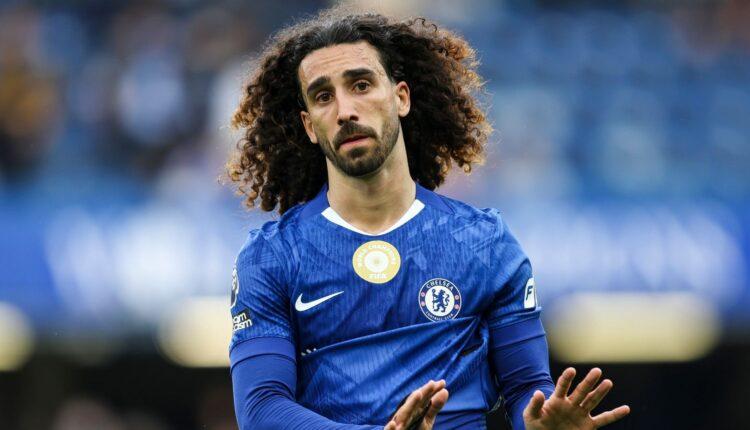
Real Madrid Agree To Sign Chelsea Defender Marc Cucurella In Up To €60m Deal
14 sources compared
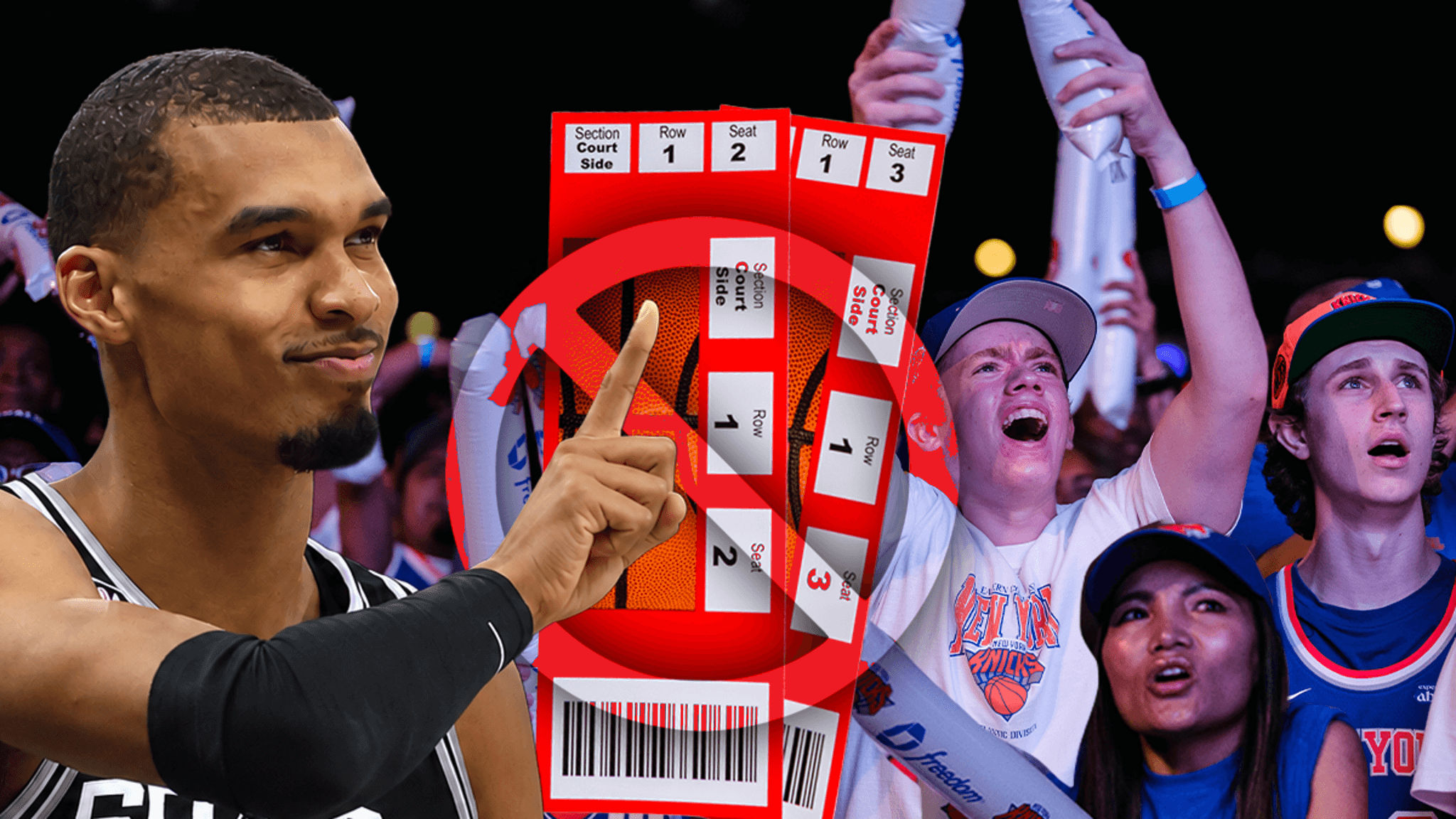
Spurs Limit Ticketmaster Sales to 150 Miles of Frost Bank Center, Spark Hochul Backlash
11 sources compared

Mexican Engineering Guild Chief Ulises Fernando Bernal Miramontes Apologizes After Racist Slant-Eye Gesture
15 sources compared
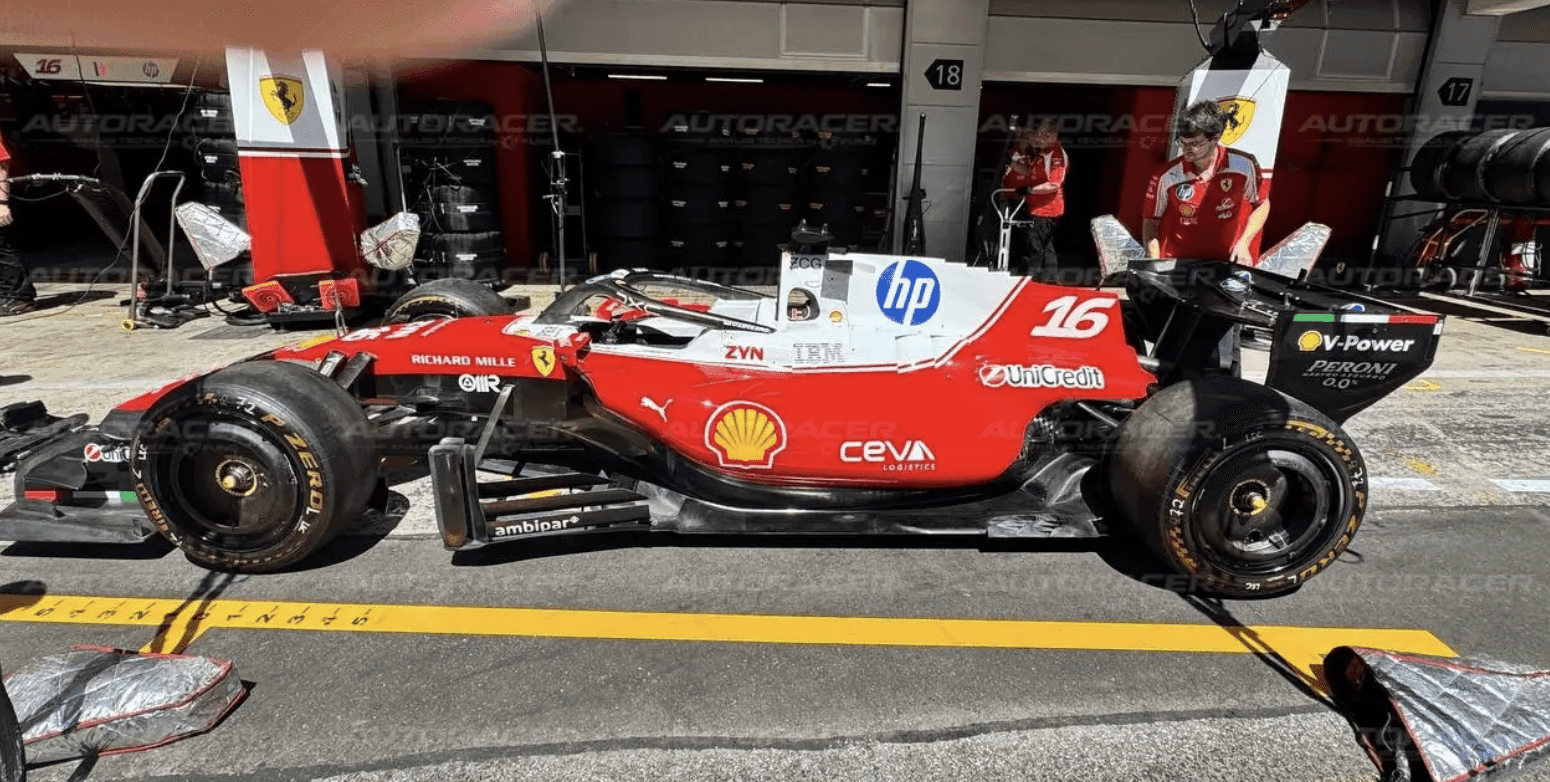
Lewis Hamilton Wins First Ferrari Grand Prix at Barcelona-Catalunya as Kimi Antonelli Retires
23 sources compared