IRGC Aerospace Force Warns Southern Neighbors: Aid US Attacks, Gulf Oil Production Ends
Key Takeaways
- Iran's IRGC Aerospace Force warns southern neighbors aiding US attacks will cripple Gulf oil output.
- The threat links to US actions and targets territory/resources used to attack Iran.
- Oil nears $100 per barrel amid West Asia disruption and ceasefire uncertainty.
IRGC Oil Retaliation Threats
Iran’s Islamic Revolutionary Guards Corps (IRGC) Aerospace Force warned that West Asia oil production would be crippled if Iran’s southern neighbors aided potential American attacks against the Islamic Republic.
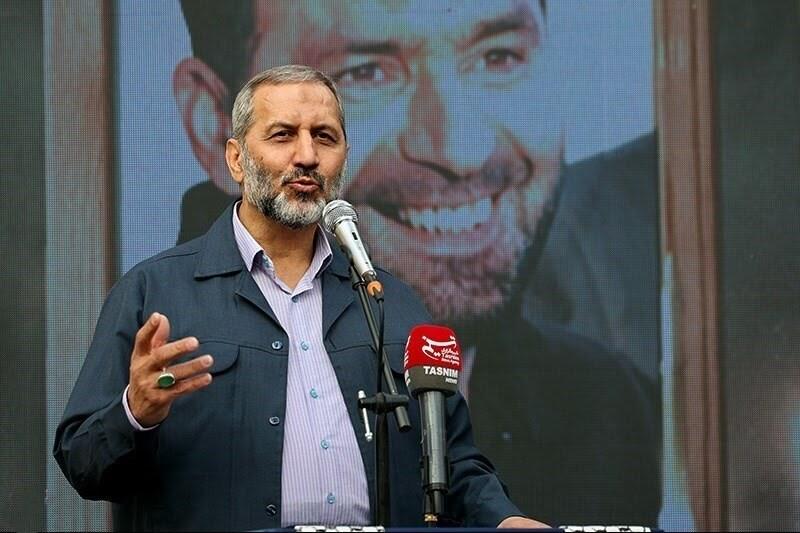
Brigadier General Seyyed Majid Mousavi, the force’s commander, said on Tuesday: “And let the southern neighbors know: If their territory and resources are used by the United States to attack the Iranian nation, they must bid farewell to oil production in West Asia,” adding that the force remained “vigilant, eyes wide open and hands on the trigger, ready to defend this ancient land and its civilization spanning thousands of years.”

The warning was issued in the context of a “two-week lull” announced by U.S. President Donald Trump on April 7 after “at least 100 waves of successful and decisive retaliatory strikes” against the U.S. and Israeli regime’s latest bout of aggression targeting Iran.
The IRGC-linked account said the reprisal delivered “severe blows” to American and Israeli targets across the region, including those “lying in the United Arab Emirates, Bahrain, Qatar, Kuwait, Jordan, and Saudi Arabia.”
It also said Iran’s highest operational command unit told the U.S. president not to misrepresent battlefield conditions, with Major General Ali Abdollahi, commander of Khatam al-Anbiya Central Headquarters, stating that Iran’s armed forces “enjoy the upper hand in the face of the adversaries.”
The same report described Trump’s claims after his ceasefire announcement, including that Iran had “agreed to never close the Strait of Hormuz again,” and that the U.S. “naval blockade will remain in full force and effect as it pertains to Iran, only, until such time as our transaction with Iran is 100% complete.”
Trump Ceasefire Claims and Iran’s Response
The IRGC Aerospace Force warning was paired with a dispute over what Trump said about the strategic waterway after announcing a short-term ceasefire.
The Al-Manar TV Lebanon report said Trump took to his Truth Social platform alleging that Iran had “agreed to never close the Strait of Hormuz again,” and it added that he claimed the U.S. “naval blockade will remain in full force and effect as it pertains to Iran, only, until such time as our transaction with Iran is 100% complete.”
It also said Trump stated that ceasefire negotiations “should go very quickly in that most of the points are already negotiated.”
Iranian officials, the report said, “categorically dismissed all such claims,” and it described Iran as having “moved swiftly to close the chokehold to all traffic after Trump announced continuation of the blockade.”
In a separate Reuters-based energy report, oil prices were described as rising amid uncertainty over whether the ceasefire would be extended, with the article saying shipping traffic through the Strait of Hormuz “remained largely halted.”
That report said Brent futures rose $4.30, or 4.5 per cent, to $99.78 a barrel at 10:45pm, while U.S. West Texas Intermediate crude rose $4.75, or 5.3 per cent, to $94.36.
Warnings to Gulf States and Bases
Iranian officials also warned that American bases in Gulf countries could be targeted if the United States attacked Iran, according to a Reuters report cited by اپک تایمز فارسی.
The article said Reuters reported that officials of the Islamic Republic warned Saudi Arabia, the United Arab Emirates, and Turkey that if the United States attacks Iran, “American bases in those countries will be targeted.”
It added that the warning came after threats by U.S. President Donald Trump to support protesters in Iran, and it described that “three diplomats” said some personnel at U.S. air bases in the Middle East, including Al-Udeid Air Base in Qatar, were advised to leave those bases.
The same piece said the head of the Supreme National Security Council and the foreign minister of the Islamic Republic were in talks with officials from Qatar, Turkey, and the United Arab Emirates to prevent a possible Washington attack via American bases in these countries.
It also quoted Trump’s Truth Social post on Tuesday, stating: “Iranian patriots, continue the protests — take control of your institutions!!! Record and preserve the names of the killers and those who suppressed. They will pay a heavy price. I have cancelled all meetings with Iranian officials until the senseless slaughter of protesters stops. Help is on the way. Restore greatness to Iran.'”
In parallel, the IRGC-linked Al-Manar TV Lebanon report described Trump’s claims about blockade continuation and said Iran moved to close traffic after those claims, reinforcing the broader theme of escalation around U.S. military posture.
Economic Shock and Energy Market Pressure
The Iran-related conflict and the uncertainty around West Asia ceasefire terms were described as feeding directly into global energy markets and downstream economic planning.
ETEnergyworld reported that oil prices climbed “about 5 per cent on Tuesday” after Trump said he did not want to extend a soon-to-expire ceasefire in the Iran war and that the U.S. military was “raring to go” if negotiations fail.
It said Brent futures rose $4.30, or 4.5 per cent, to $99.78 a barrel at 10:45pm, while U.S. West Texas Intermediate crude rose $4.75, or 5.3 per cent, to $94.36.
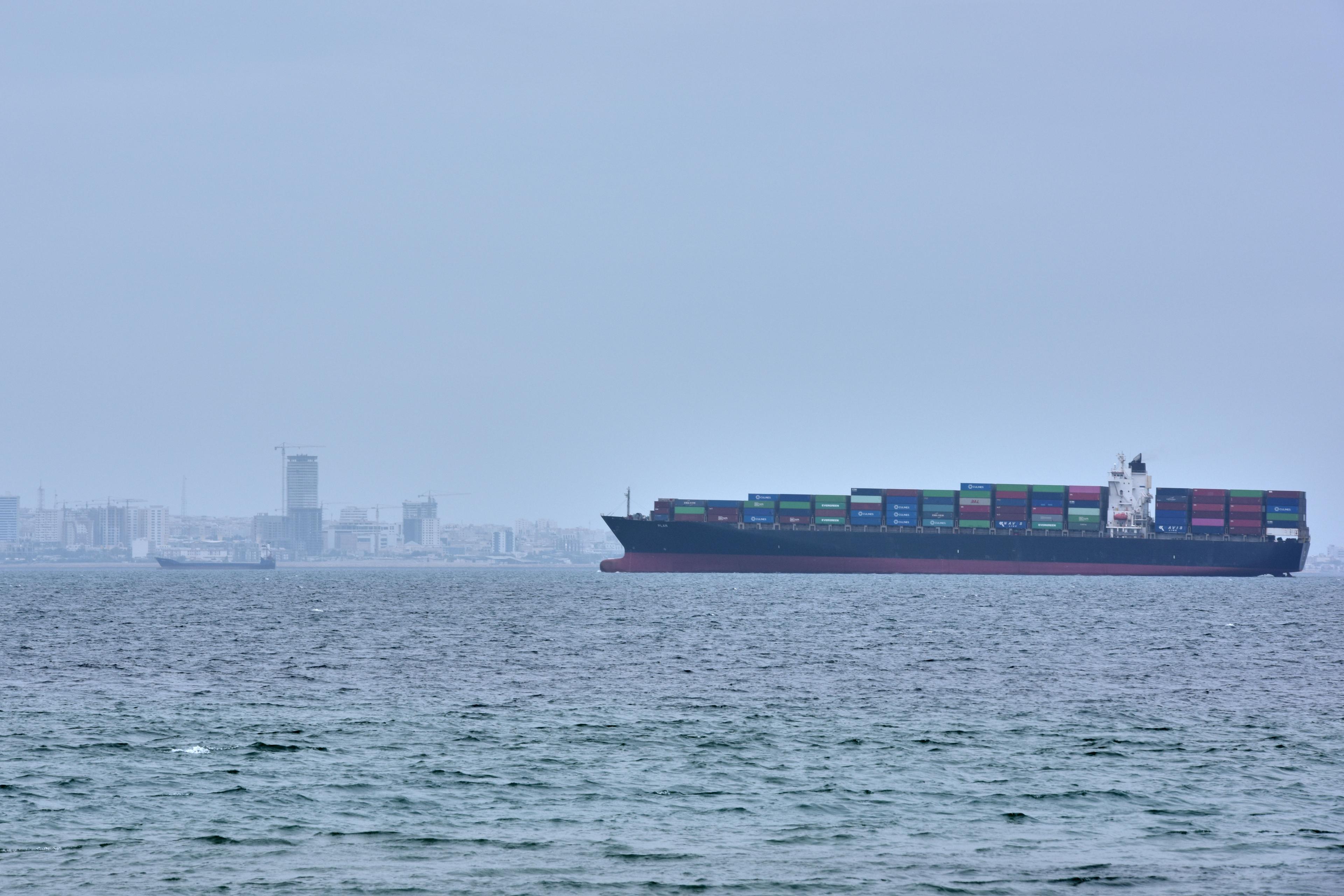
The same report said shipping traffic through the Strait of Hormuz “remained broadly halted on Tuesday,” and it reiterated that the strait “normally handles about 20 per cent of global oil and liquefied natural gas (LNG) supplies.”
ThePrint’s analysis tied the West Asia conflict to India’s economy through imported oil and gas dependence and fiscal constraints, saying the supply shock was becoming visible and that the government reduced the “special additional excise duty on petrol and diesel” to contain price impact.
It cited Finance Minister Nirmala Sitharaman assuring the nation that the Union government has “the fiscal space to address some of these concerns,” while also laying out fiscal deficit figures including “4.6 per cent of gross domestic product (GDP) in 2019-20” and “9.2 per cent” a year later.
Stakes for Regional Sovereignty and Energy Routes
Beyond energy markets, the sources also depict Iran emphasizing territorial sovereignty and linking regional disputes to international law.
“Oil touches $100 on uncertainty over west Asia ceasefire Shipping traffic through the Strait of Hormuz remains largely halted, while the EU prepares guidance for airlines regarding potential fuel shortages”
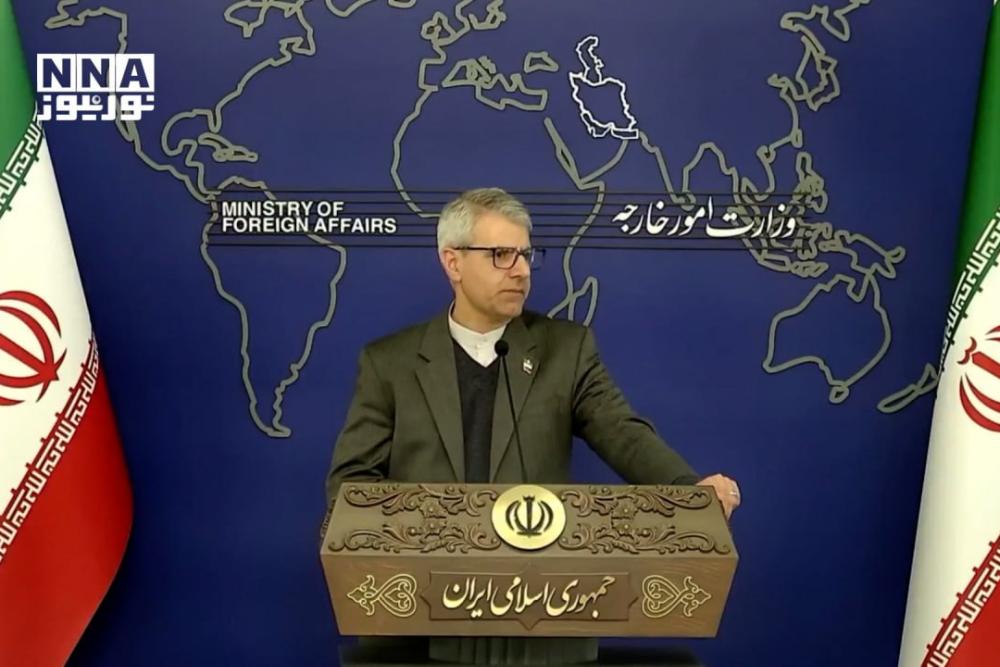
نورنیوز quoted Esmaeil Baghi, the Foreign Ministry spokesperson, saying: “We will show no tolerance regarding violations of our territorial sovereignty, including the airspace of our country,” and it added that Iran had “always warned all regional countries and neighboring states to beware of the Zionist regime's exploitation of our airspaces.”

Baghi said that if there are “documented and well-founded proofs from the relevant military and security agencies,” Iran would “certainly raise and pursue it without any delay or hesitation.”
The same article said Baghi referred to a UN General Assembly resolution adopted in June of this year, and it stated that Iran’s position on islands was “completely clear,” asserting “Historically, legally and in fact, there is no doubt about the sovereignty of the Islamic Republic of Iran over Abu Musa, Tunb al-Kubra and Tunb al-Sughra.”
In energy terms, The Indian Express described the West Asia war as beginning on February 28 and said it created “the largest supply disruption in the history of the global oil market,” while also framing the Strait of Hormuz as a critical chokepoint.
It said the IEA monitors facilities and that its internal assessment was that “over 80 facilities have been damaged, of which more than a third are severely impacted,” and it warned that reaching pre-war levels could take “several months” and that facilities “will need months, if not years.”
More on Iran
Iran Fires on Two Ships in Strait of Hormuz After Trump Extends Ceasefire
19 sources compared

Iran’s Revolutionary Guard Corps Attacks Epaminondas in Strait of Hormuz Despite U.S. Ceasefire Extension
11 sources compared
Donald Trump Extends Iran Ceasefire Indefinitely, Keeps U.S. Blockade in Strait of Hormuz
18 sources compared
Donald Trump Extends U.S. Ceasefire With Iran, Orders Naval Blockade to Continue
15 sources compared